It’s 1945, a world war is raging, and a mine just below the surface in Odessa Harbor on the Black Sea comes into contact with the bow of Herbert Phillips’s Liberty Ship and blows it off. The boat survives, and after three months of in-water repairs, Phillips, who is just a year out of the Merchant Marine Academy in Kings Point, New York, notes how well this mass-produced, welded-together metal cargo ship handled the impact. He is convinced that metal is the material of choice for building an oceangoing vessel, and upon his return from the war, he determines to build metal boats for recreational use. He forms a company, Striker Yachts, that would eventually launch nearly 700 craft ranging from 33 to 70 feet and be talked about on the docks from Boston to Boca and beyond.
Phillips recently passed away, but his son Dick Phillips explains his father’s modest introduction into recreational boatbuilding. “My dad hired Phil Bolger, who had designed U.S. Coast Guard cutters like the 41, to design him a 26-foot steel boat,” he recalls. And then in 1951 a determined Herb Phillips lofted the lines of his first metal boat on his living room floor in Massapequa, Long Island. He then rented a garage in nearby Amityville and made his dream a reality after adding a couple of Ford Lehman diesel inboards.
Steel was the material of the day, but Phillips had also been investigating using aluminum alloy, a light-weight option that had a lot of potential in the eyes of the young builder. Dick says his dad tested strips of the new alloy by hanging them in brackish water nearby their home for varying periods of time, to see how they would resist corrosion.
By 1958, Phillips had left Long Island for Florida and enjoyed some success building his steel boats there. But for his aluminum vessels, he decided Holland was the place to be due to that country’s extensive experience with shipbuilding. In 1959, the first 35-foot Striker was completed in what is today the Heesen yard. Another famous builder now known for its mega yachts, Hakvoort, also constructed numerous Striker yachts for Phillips, says Dick.
Once the ambitious young builder knew he could successfully produce a boat with aluminum, many more models followed: 34’s, 44’s, 54’s, 58’s, 62’s, and eventually some 70 footers. The last Striker, a 70 footer, launched in 1995. All the boats featured Thomas De Groot hull designs, a modified-V shape that included inner and outer chines, and a box keel that reportedly also provided lift for planing.
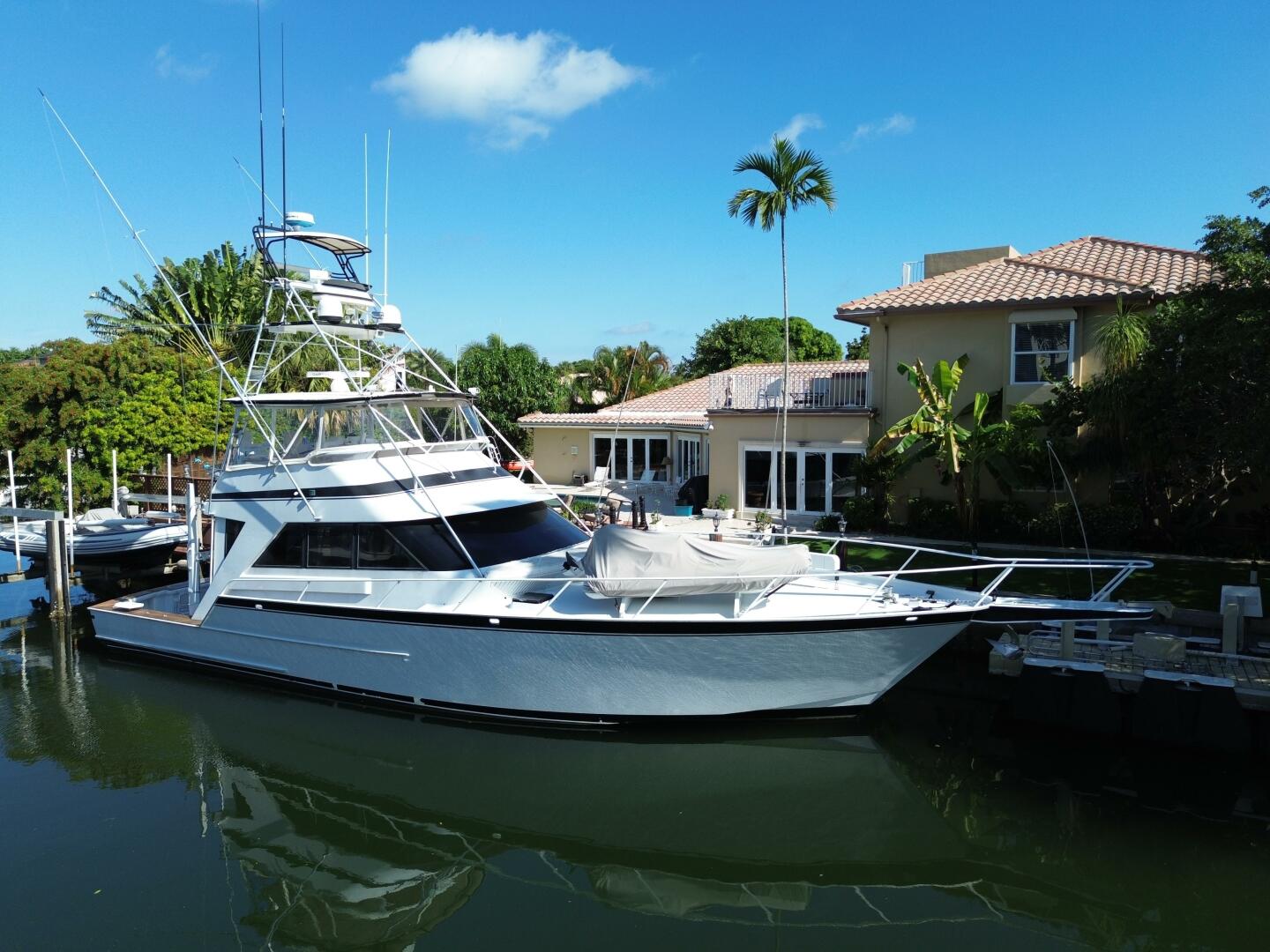
Being mostly convertible sportfishermen (some motor yachts were also constructed), Strikers were assembled on a jig frame. Aluminum sheet metal—the hull plating—was formed around the jig, which created the trademark angular lines that gained popularity among offshore anglers during the 1960’s, 70’s, and even into the 80’s, before speed became a must have.
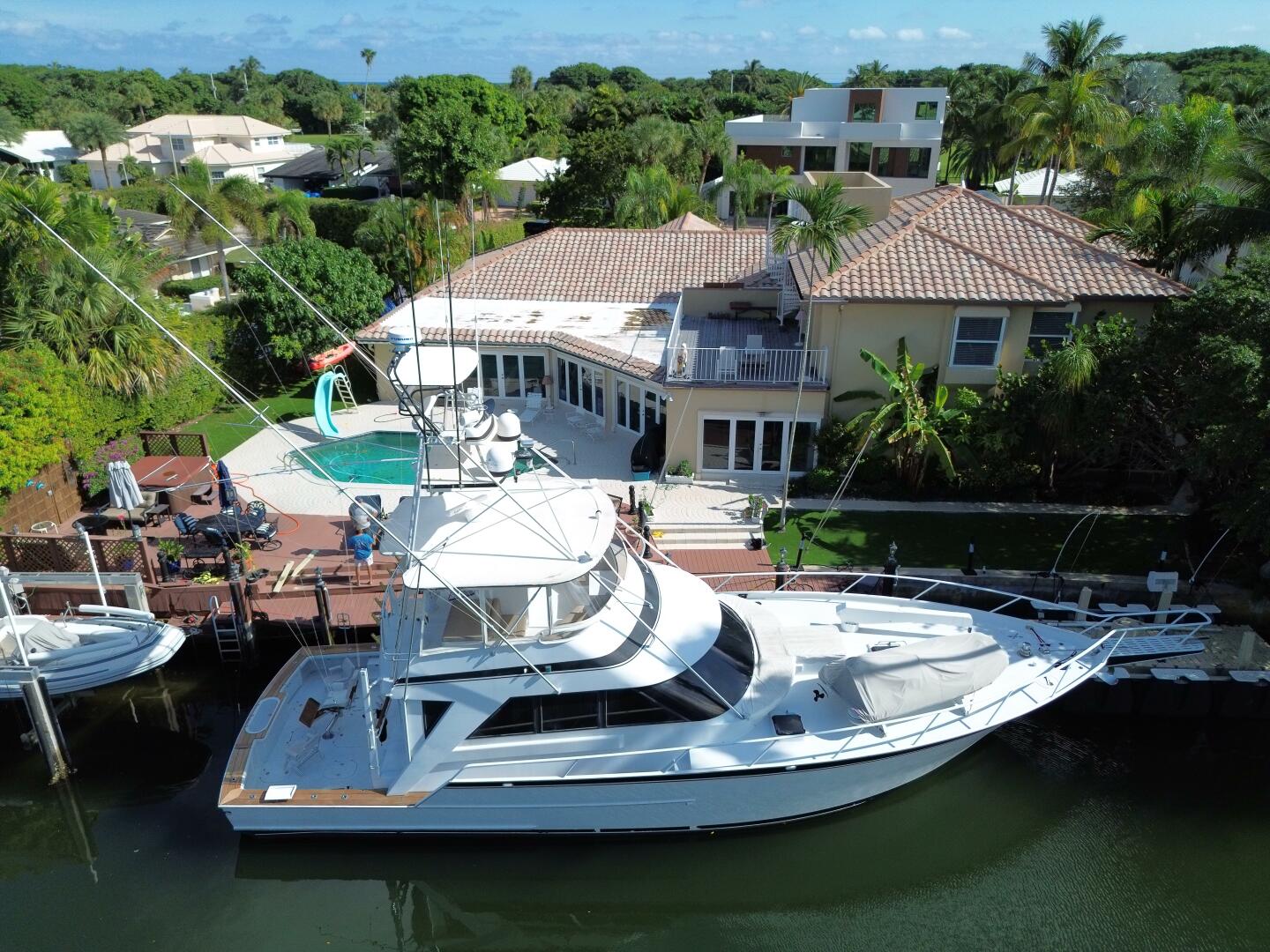
Often times one build crew would complete the hull and deck, while another group worked on the superstructure. Everything on the boat, from the cap rails to the handrails to the piping to the flying bridge was then welded together to make a Striker’s structure rigid and strong.
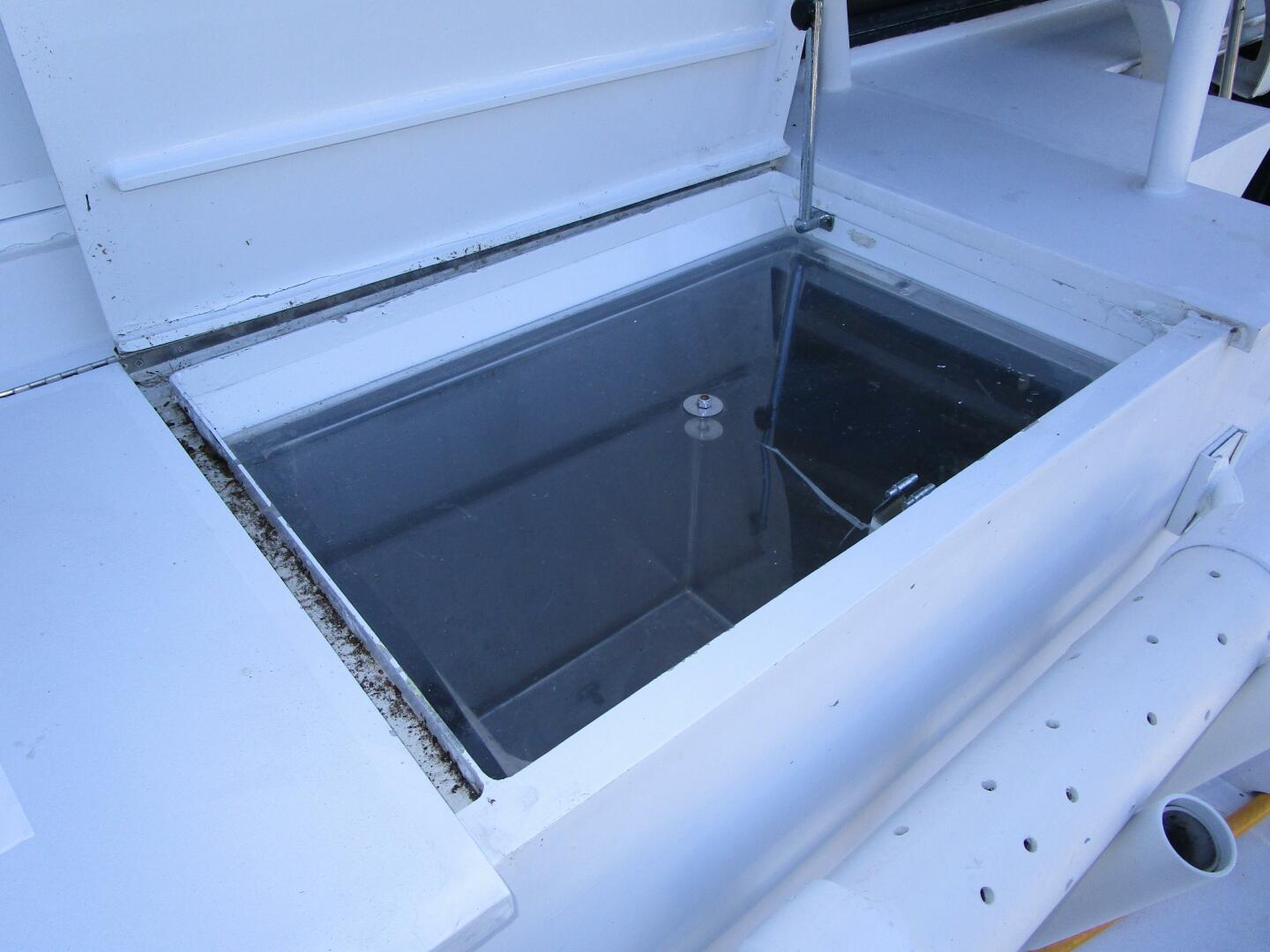
In addition, Phillips borrowed a page from commercial shipyards by building his vessels with multiple watertight bulkheads forward and aft of the engine room, plus a collision bulkhead in the bow (perhaps inspired from his experience in Odessa Harbor?). Integral fuel tanks were welded into the hull providing Striker Yachts vessels with a double hull bottom, and both the water and fuel tanks featured manhole covers so they could be easily accessed, cleaned, and maintained. “They were framed up like little ships,” says Dick, adding that compared to the same-size fiberglass vessels of the day, Strikers were about 30-percent lighter, too. They did, however, require a more diligent maintenance schedule to prevent oxidation from forming and paint blisters from popping up around thru hulls and welds.
These “little ships” were promoted heavily by Striker’s advertising agency, which came up with an intriguing back story for the yachts. The company’s ad copy stated that the name Striker was given to the harpoon man on a whaling boat who sat at the front of a double ended dory and was steadfast, dependent, and strong. It provided a powerful image for the brand. The real story, according to Dick, is that his mom saw the moniker on the back of a ship and thought it would be a nice name for the new company.
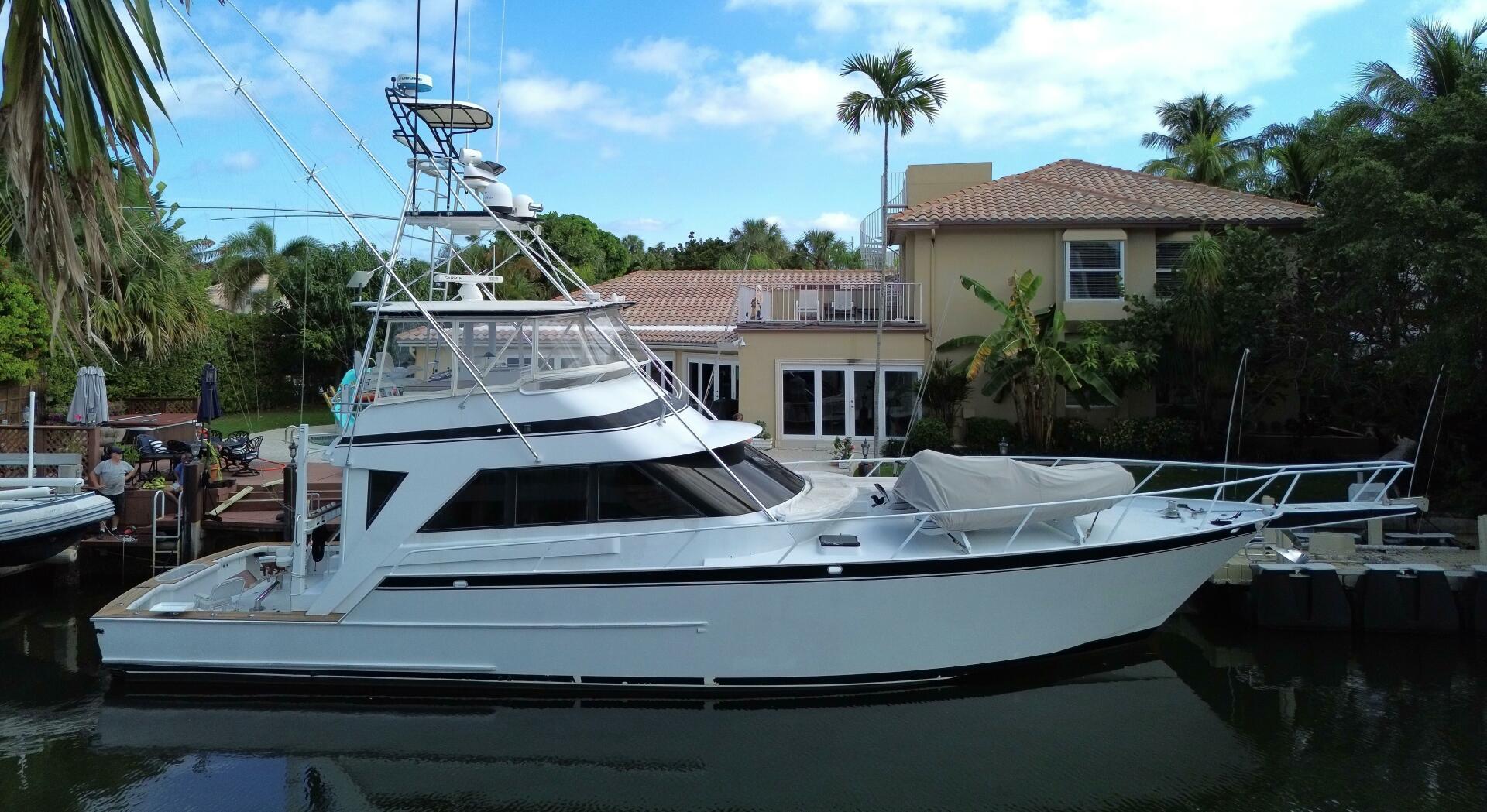
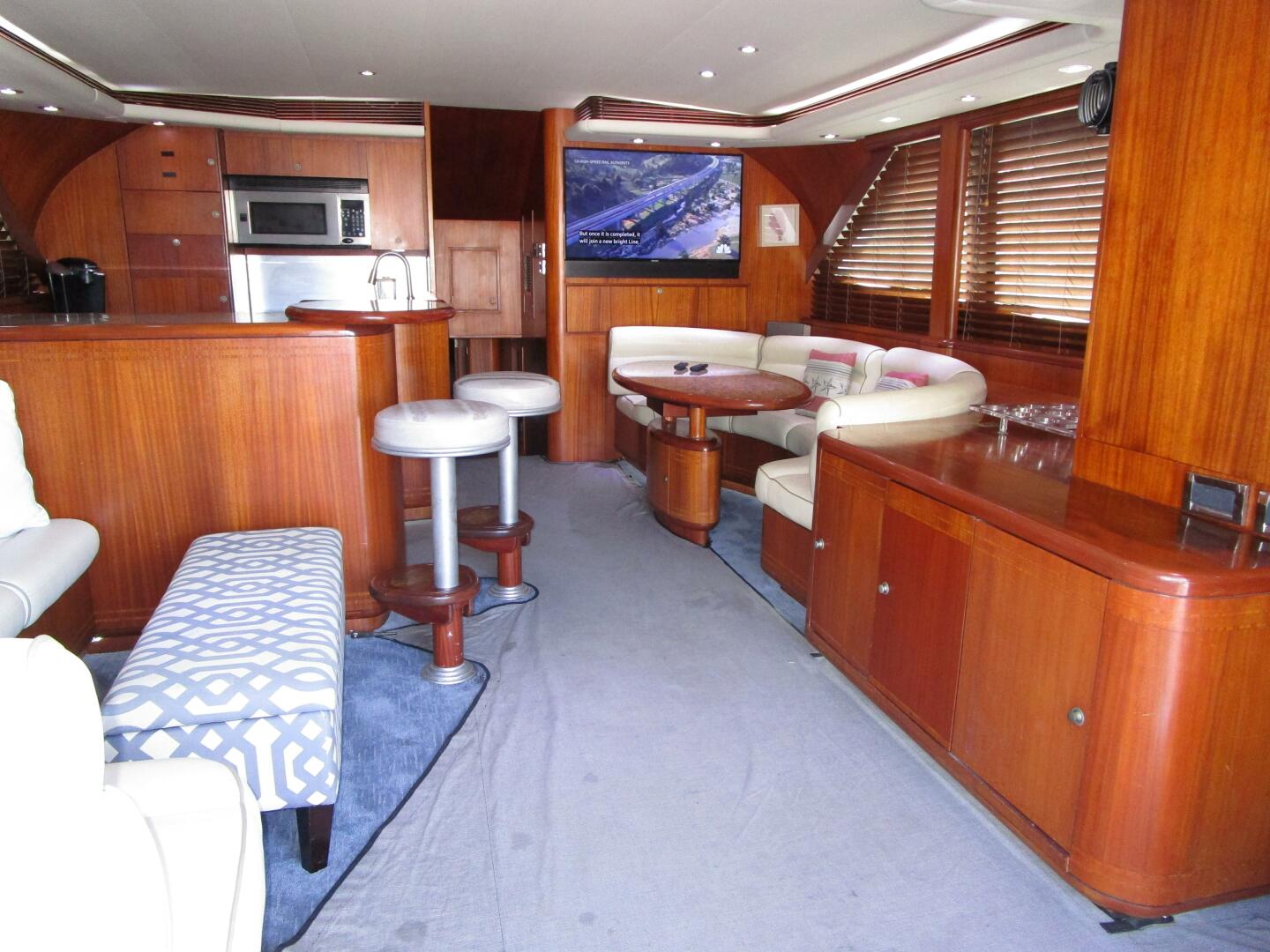
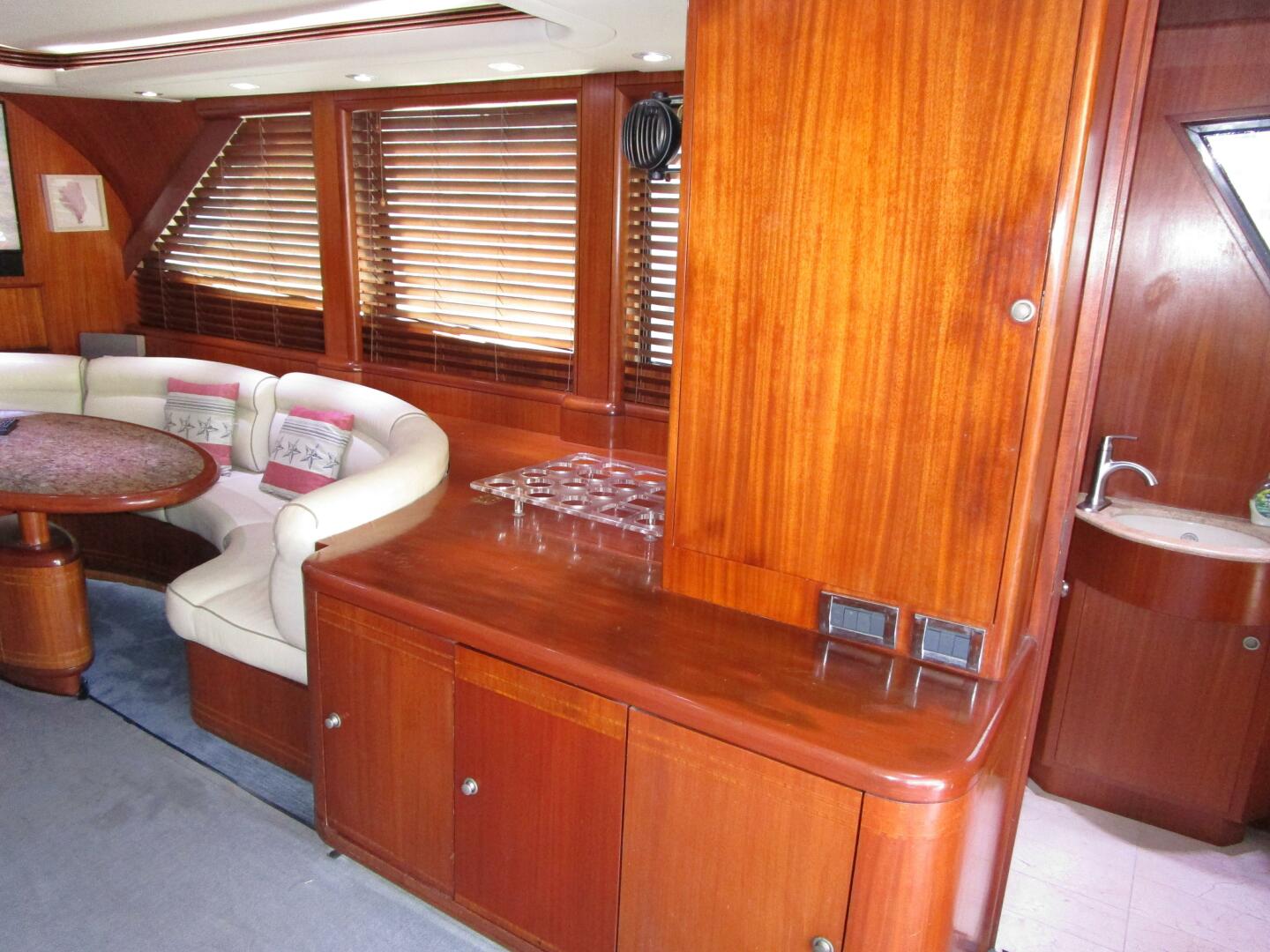
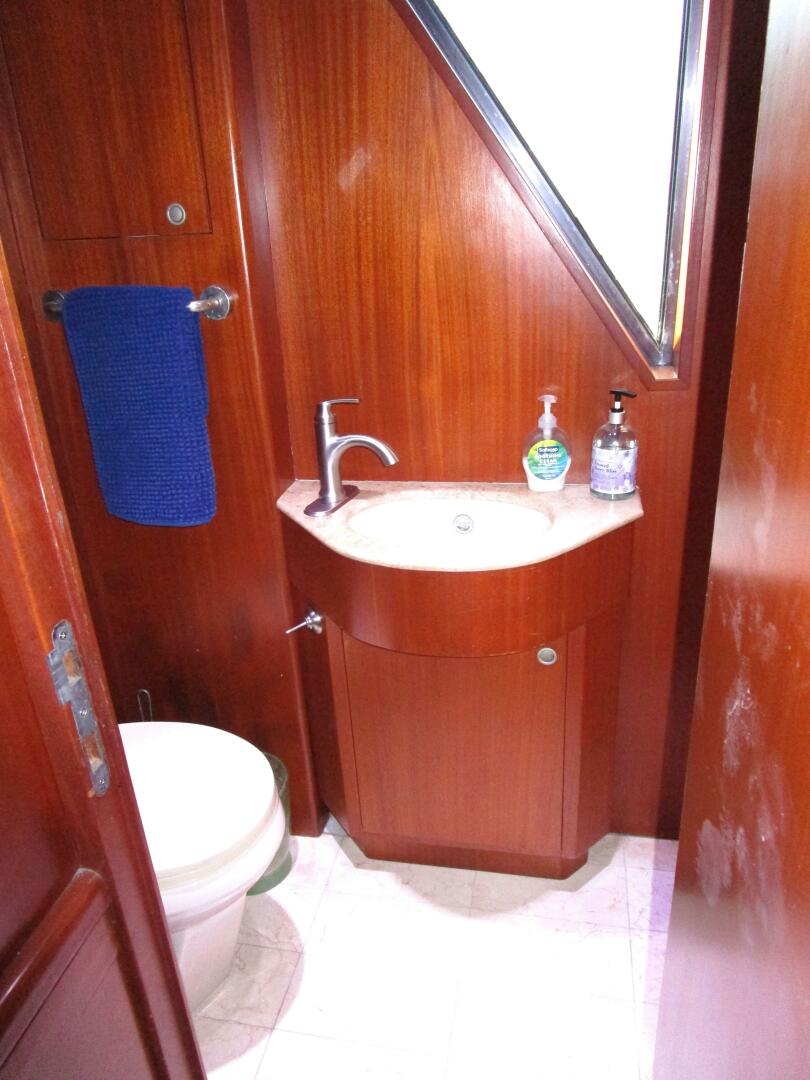
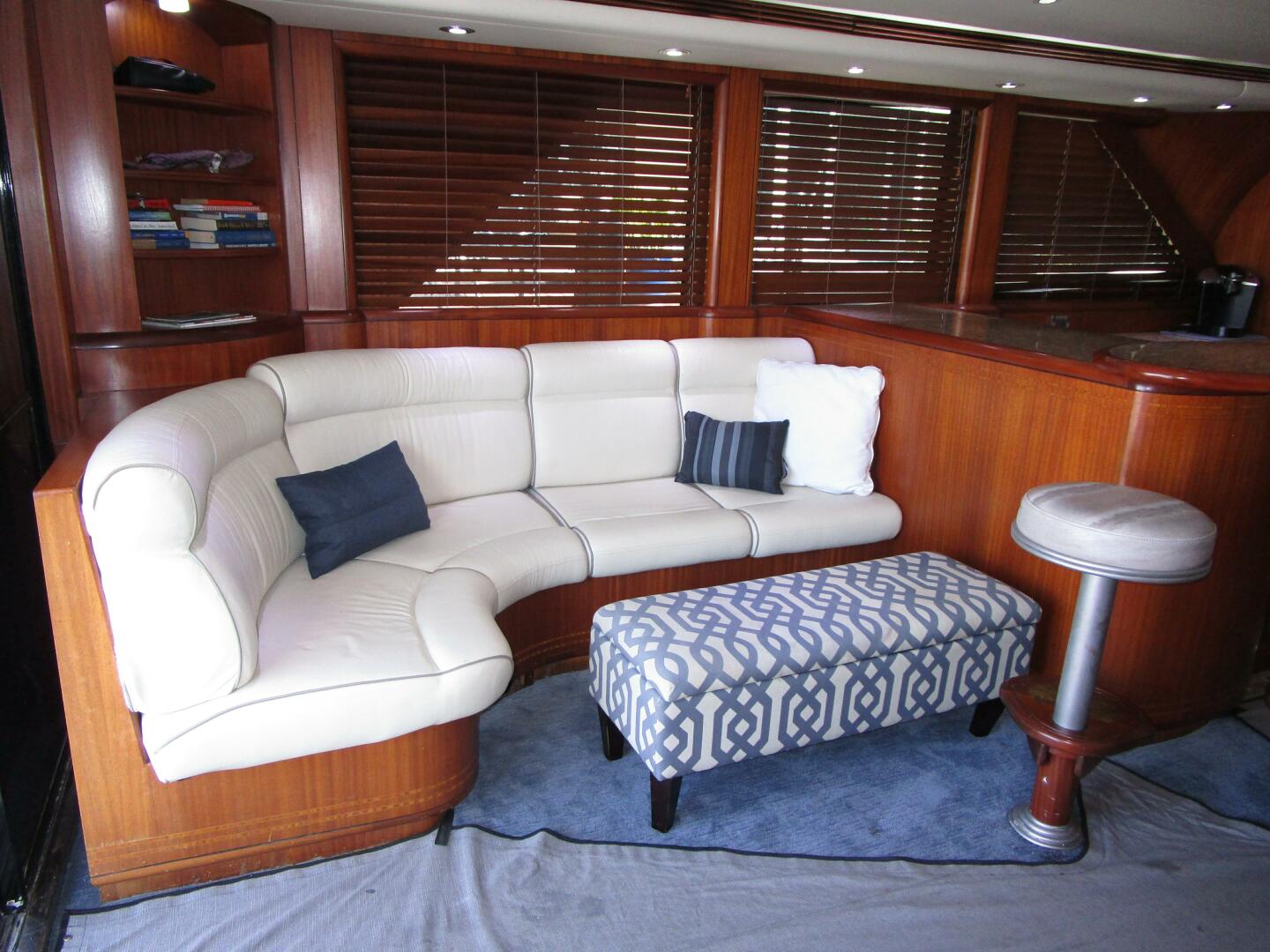
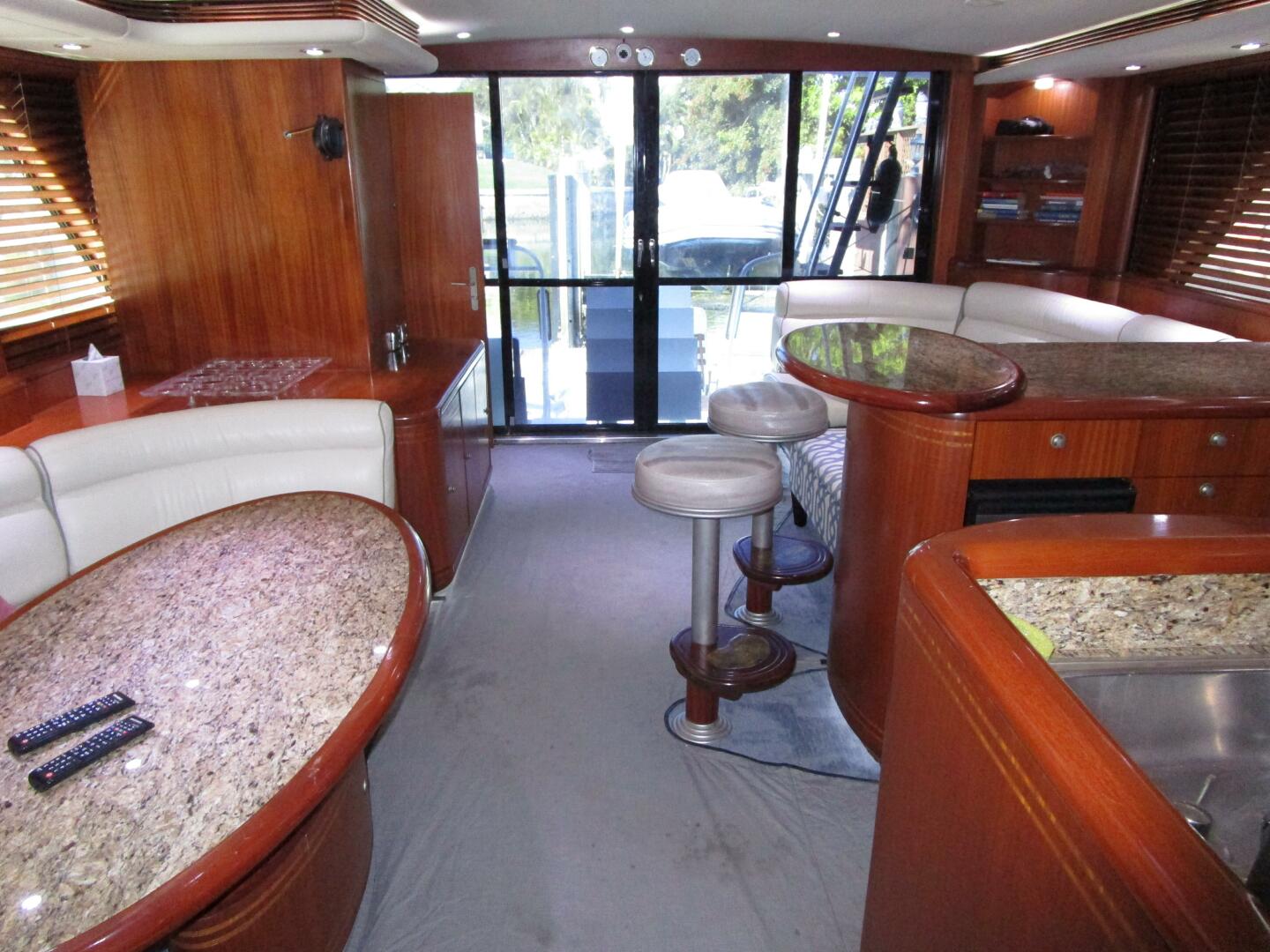
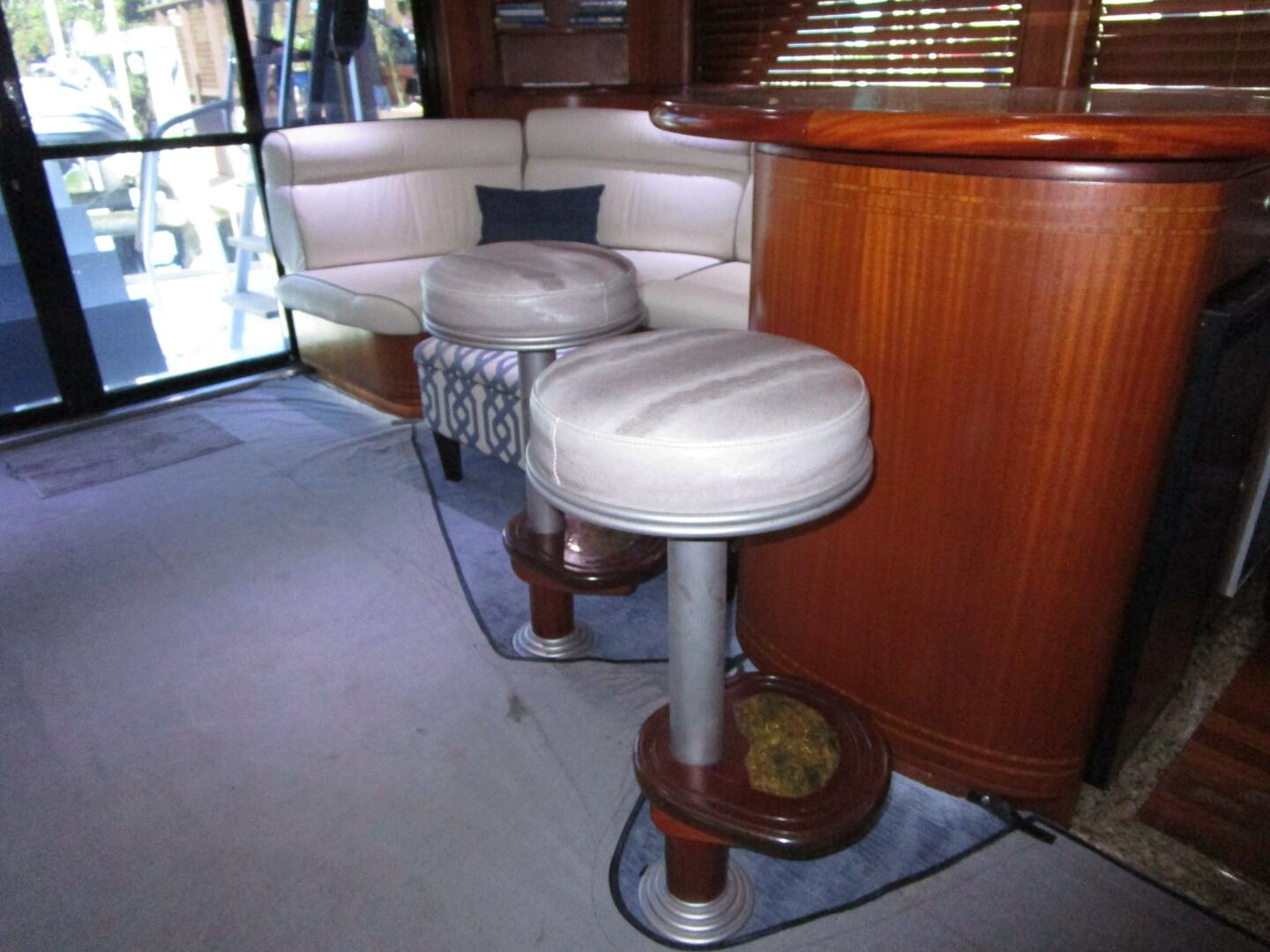
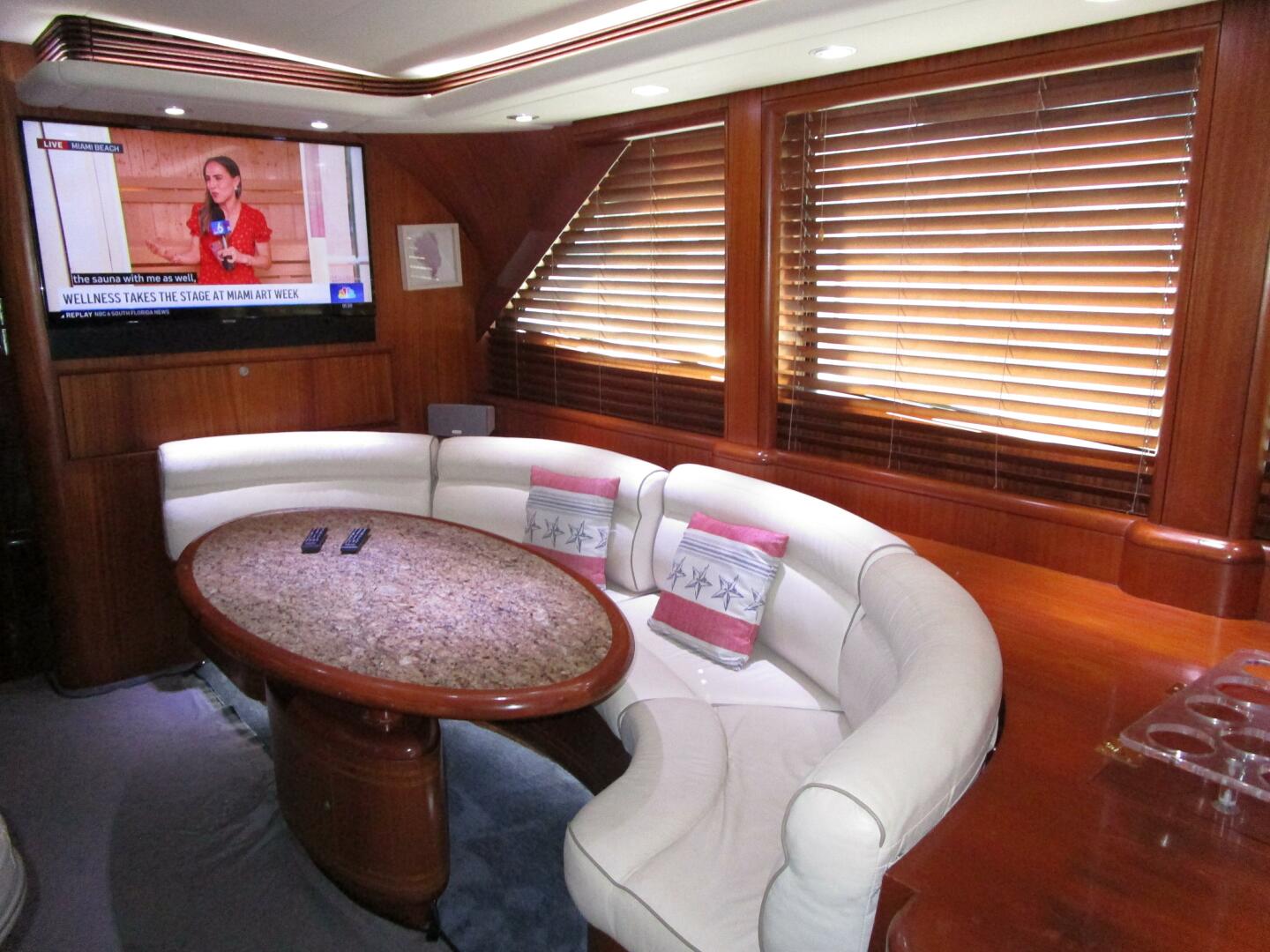
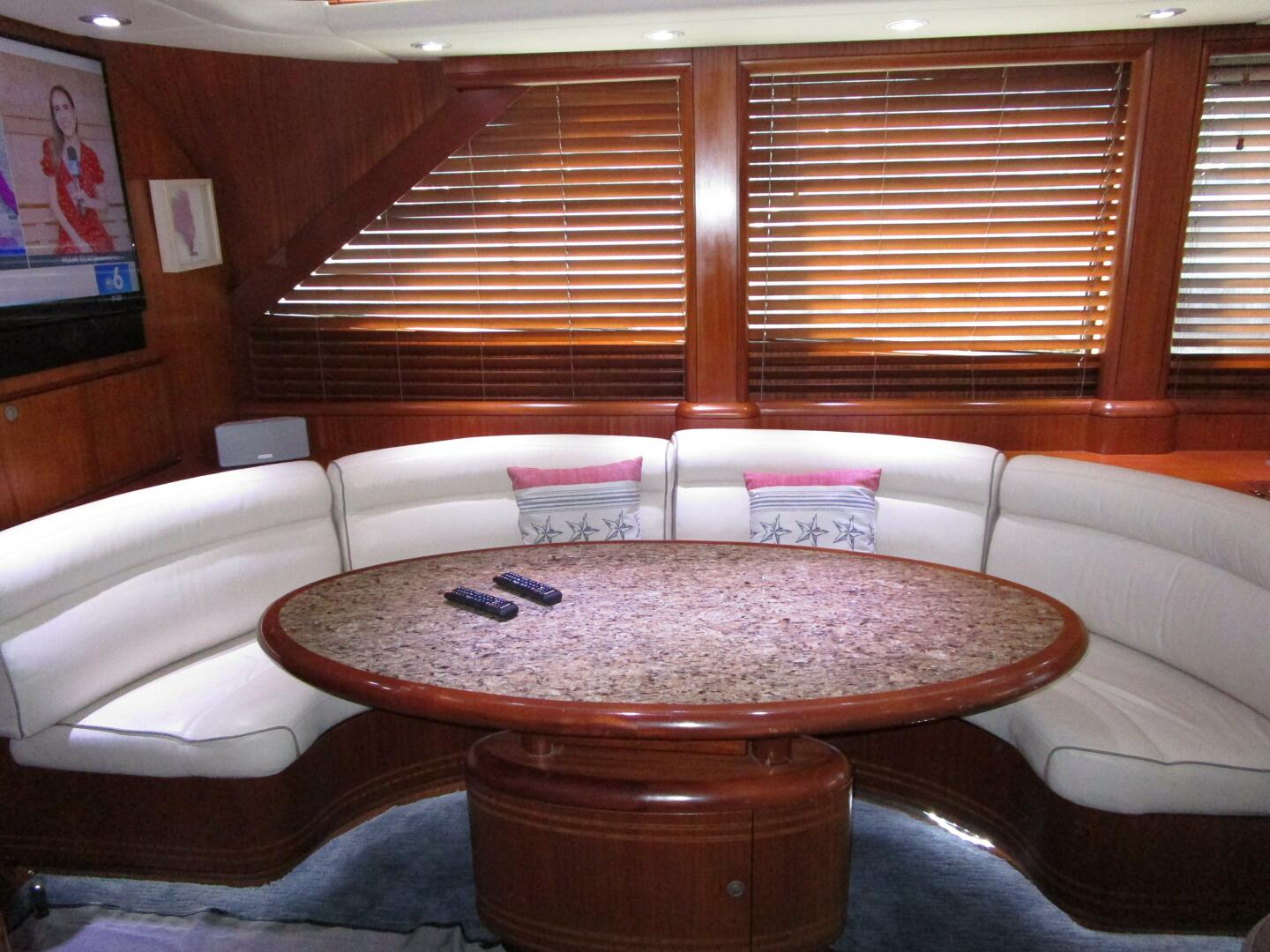
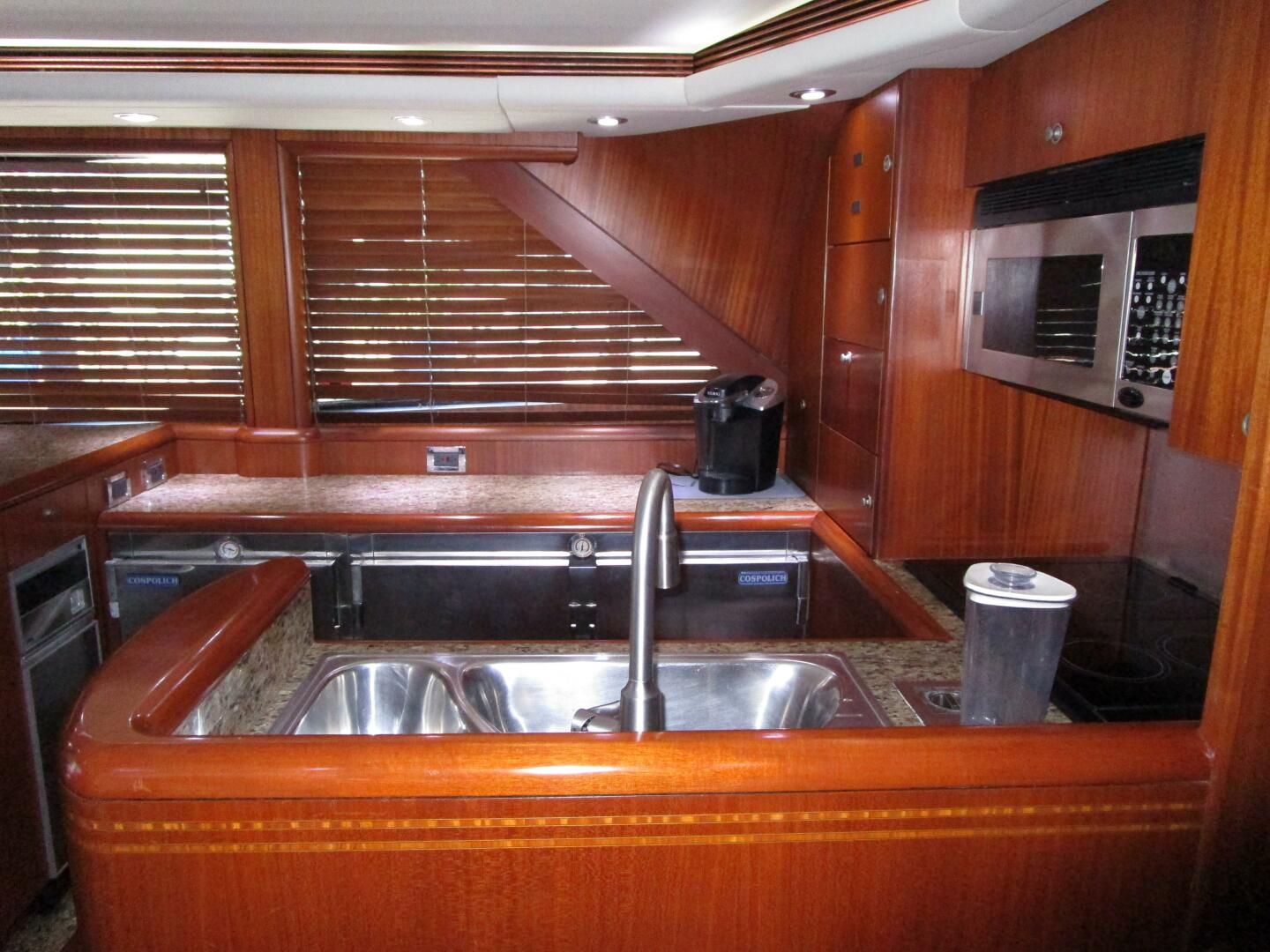
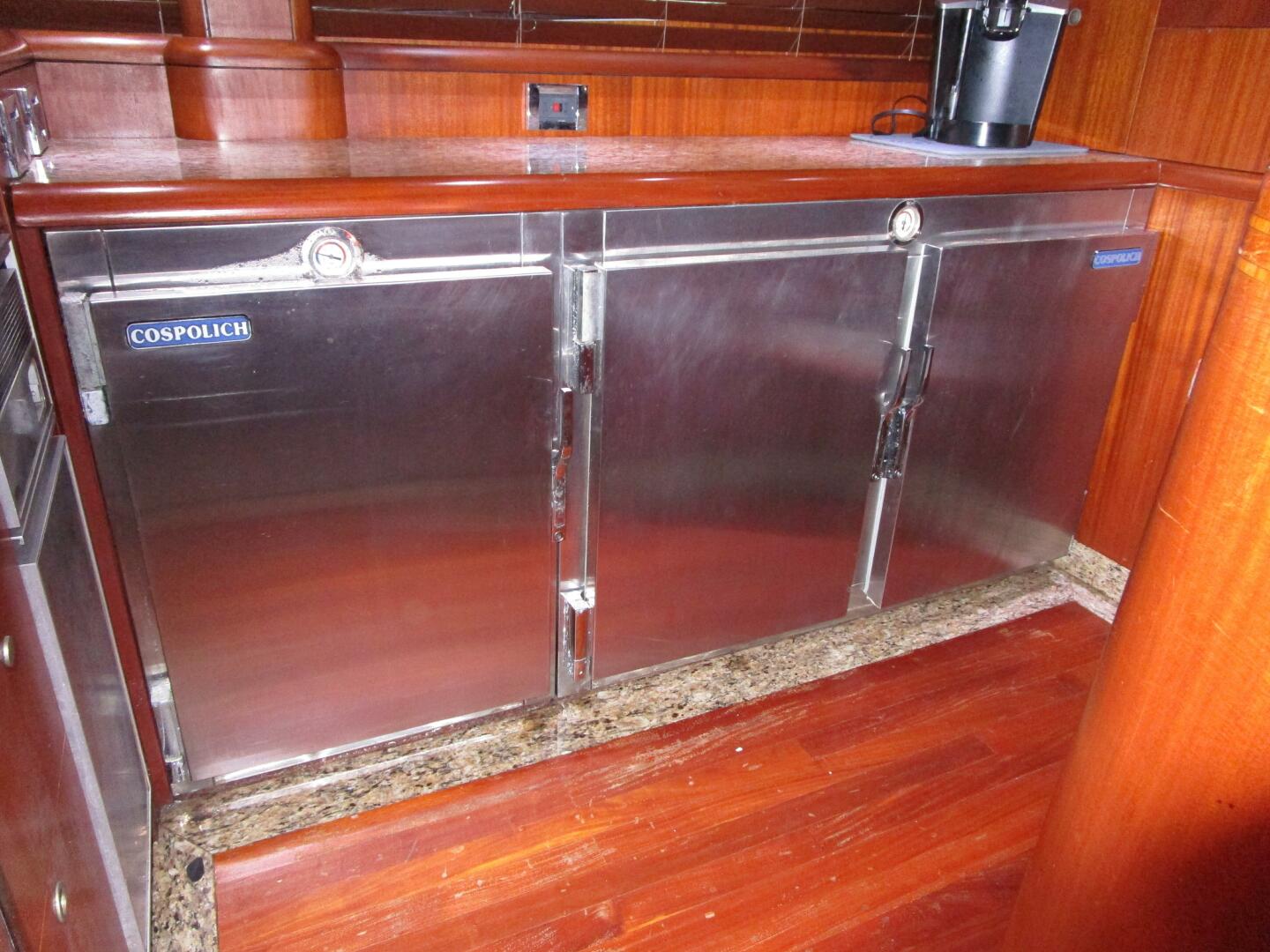
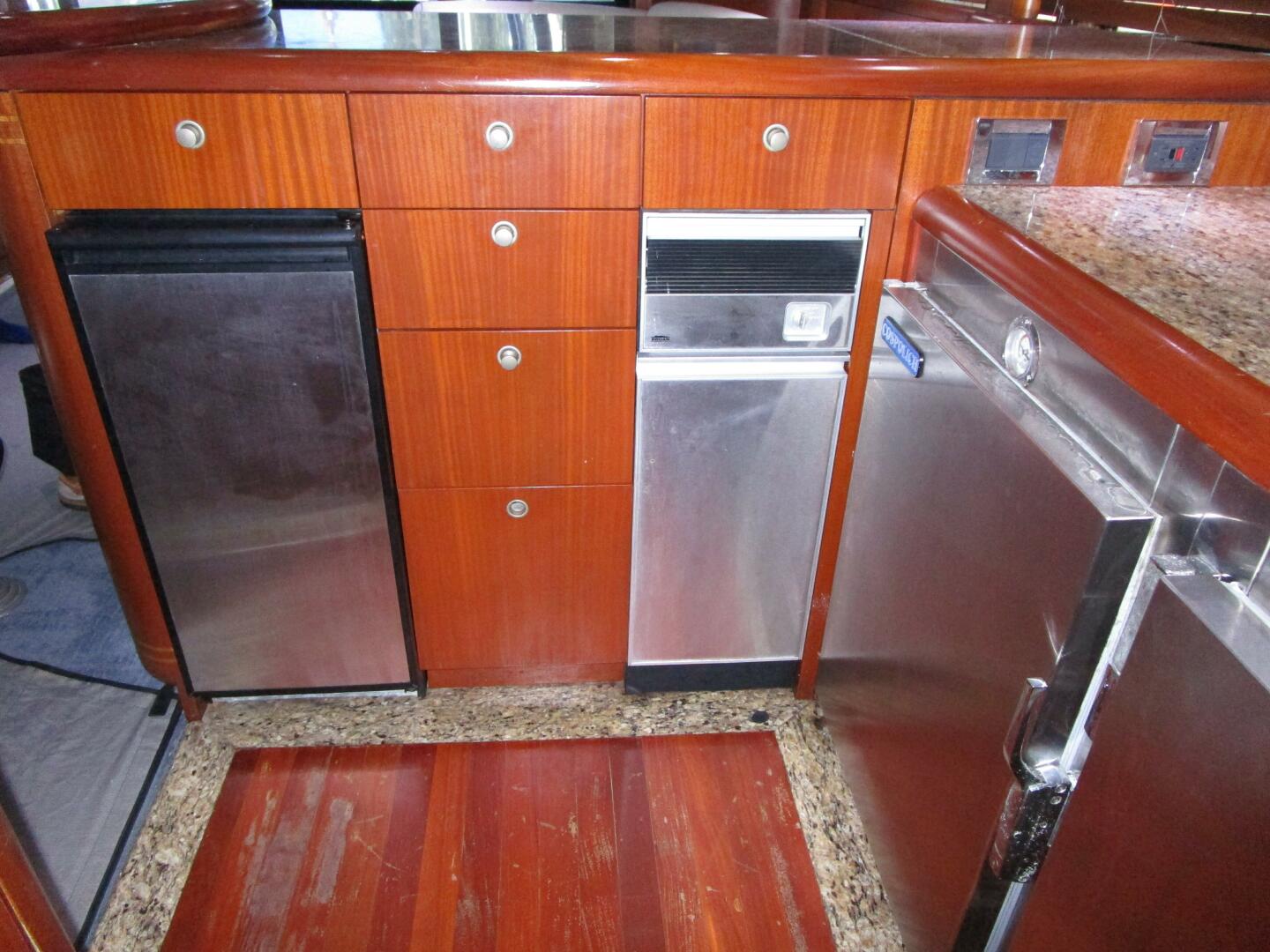
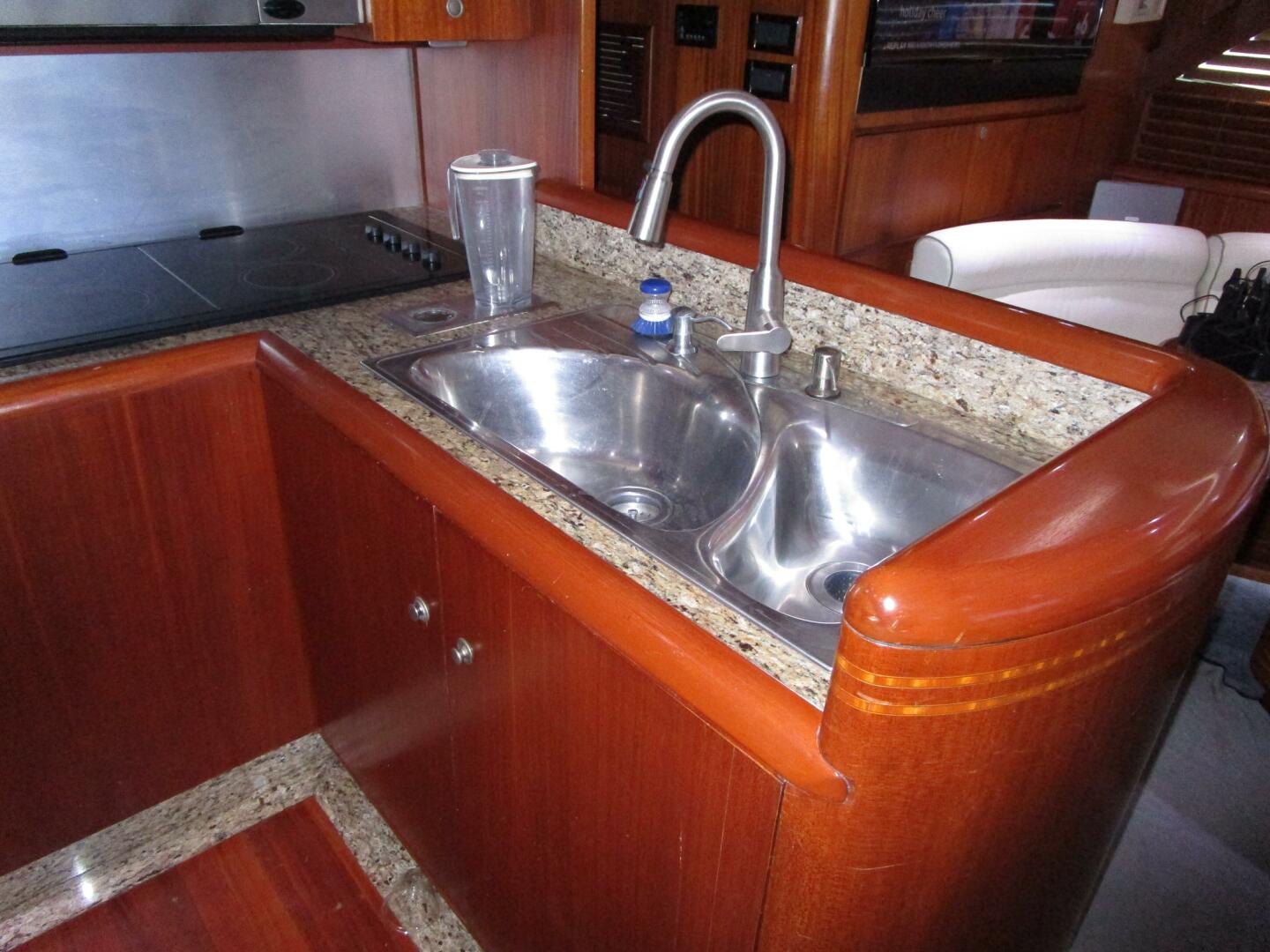
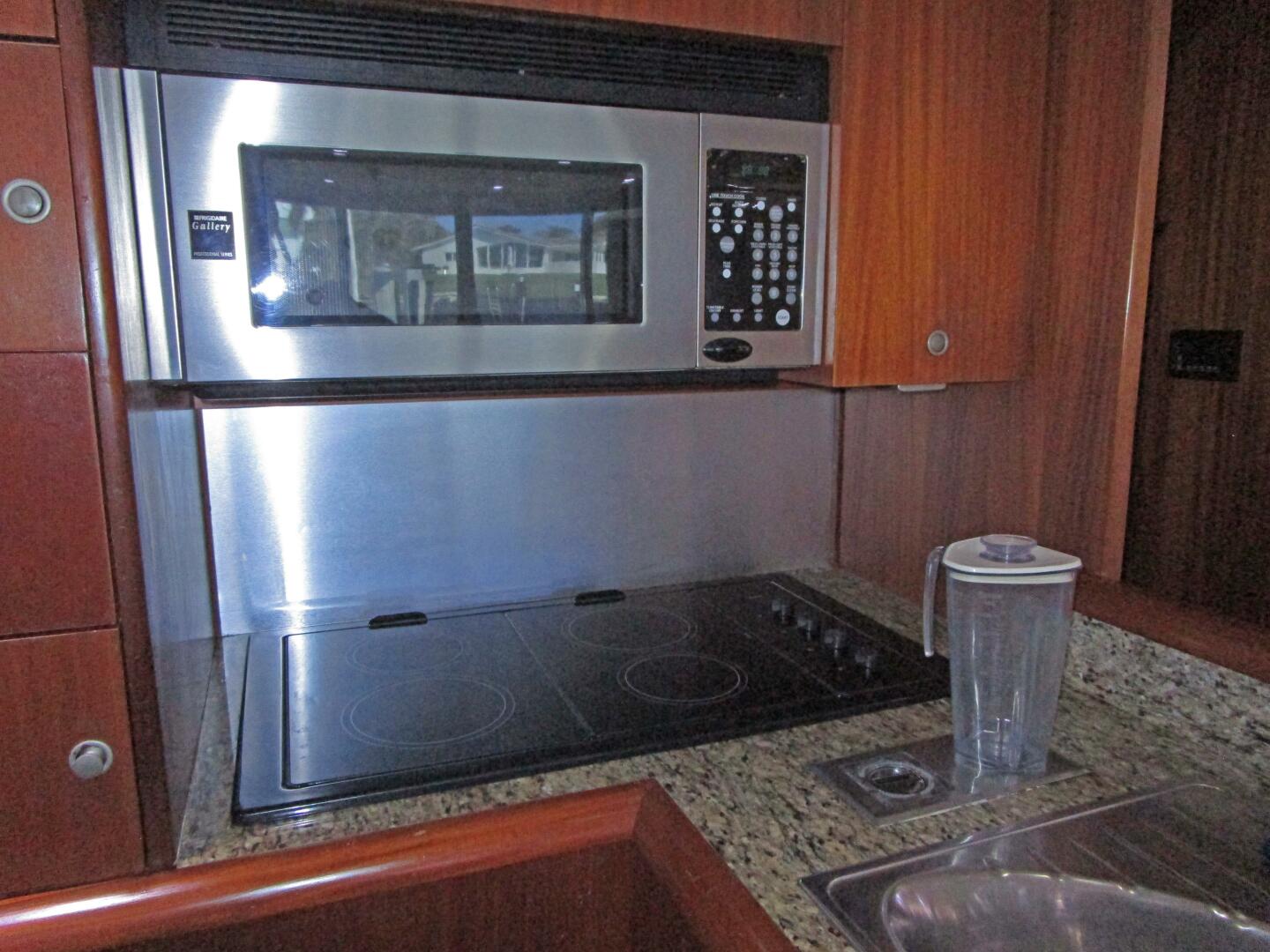
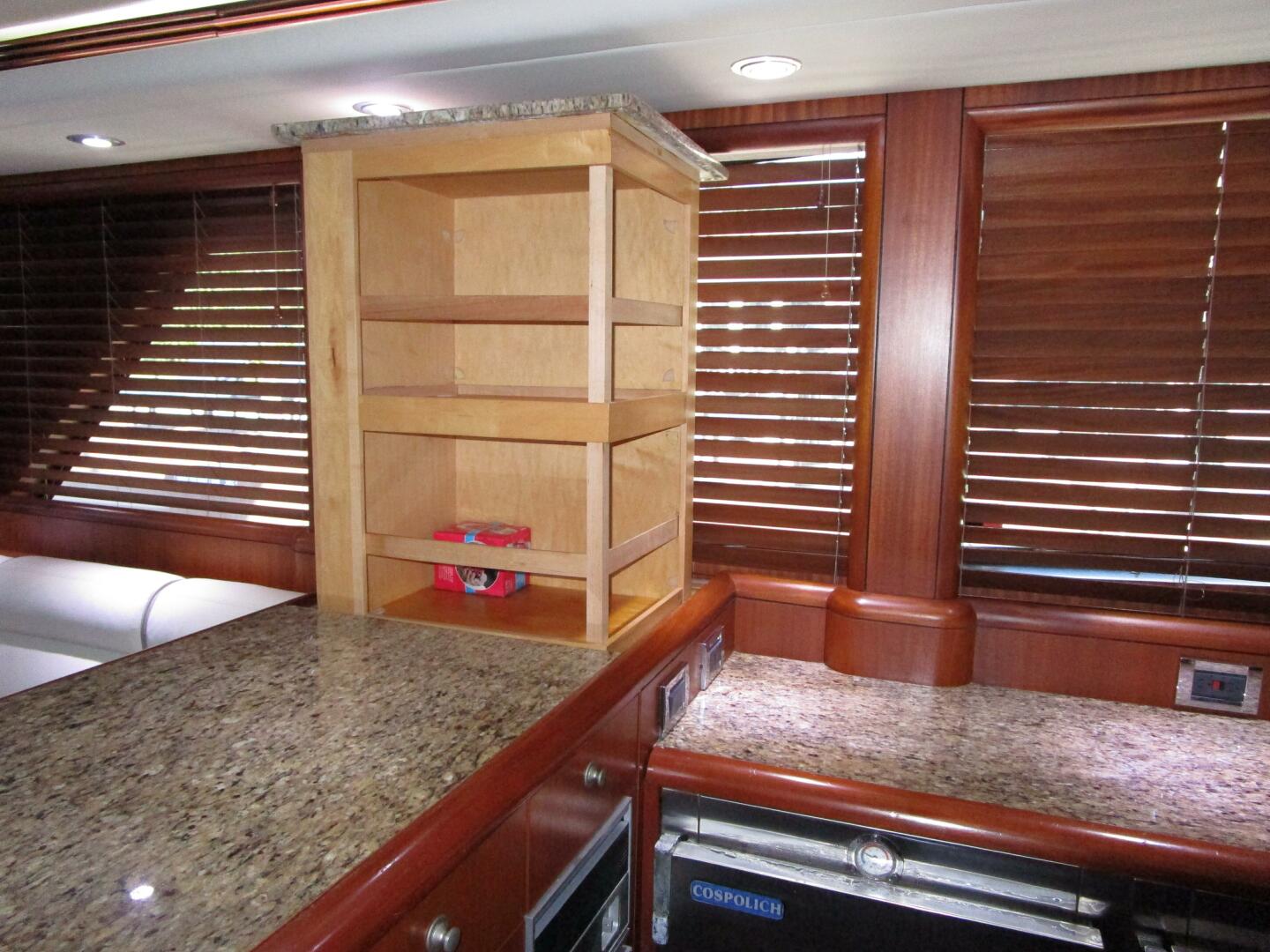
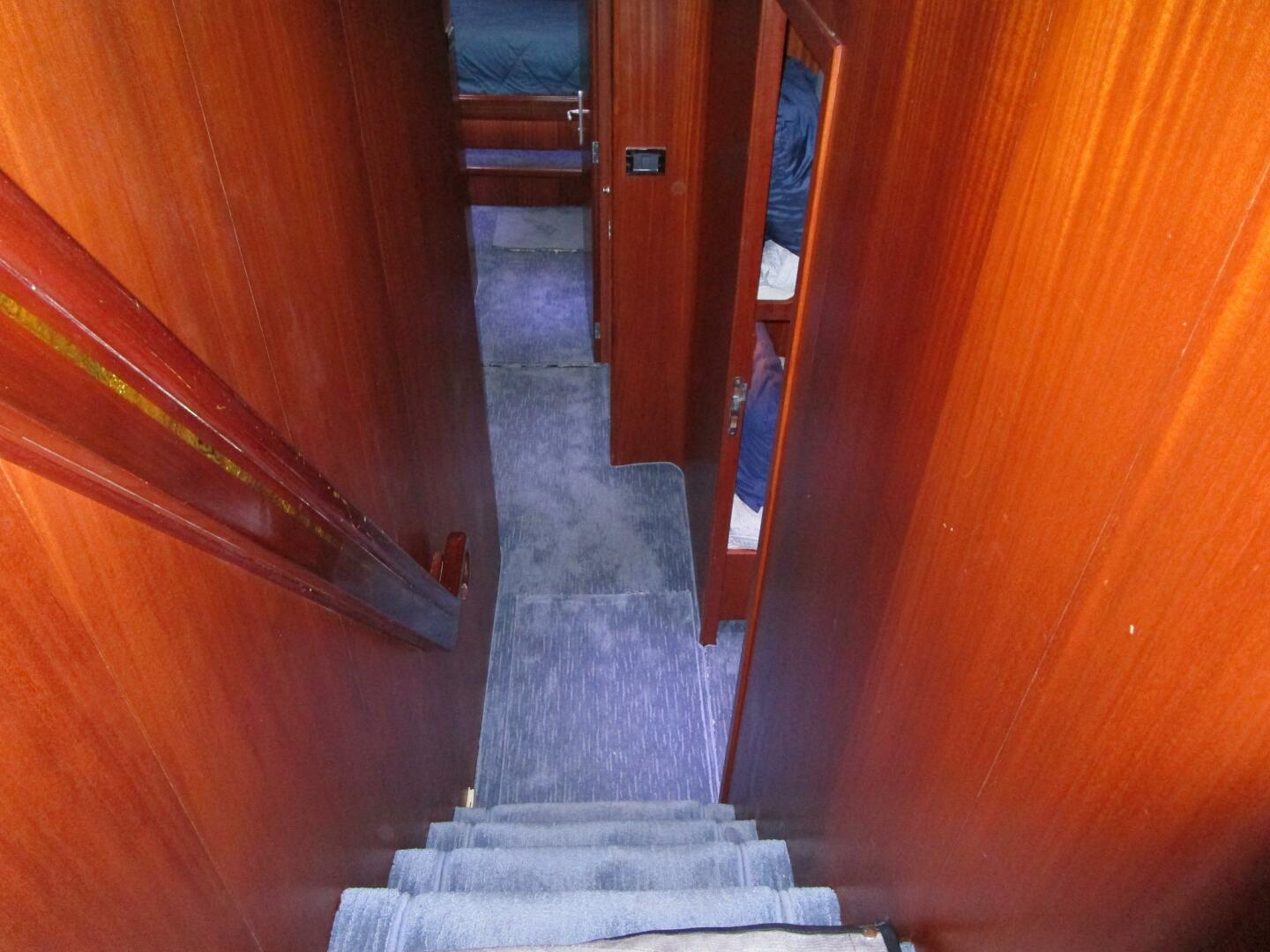
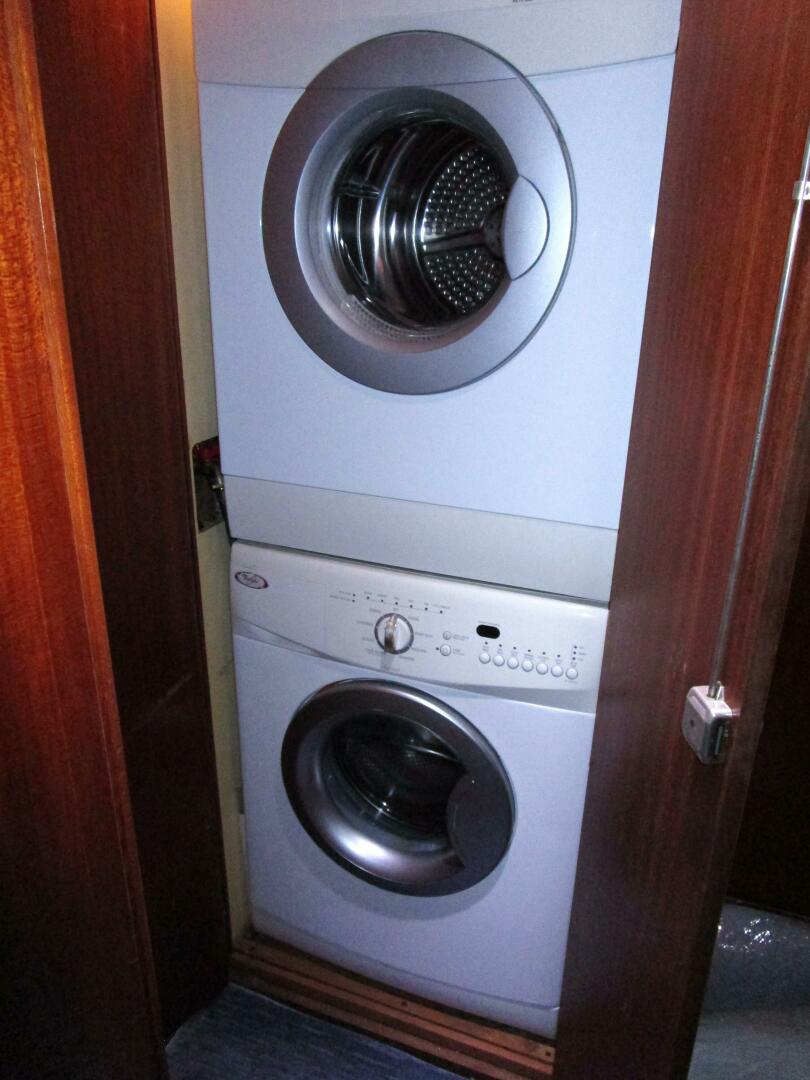
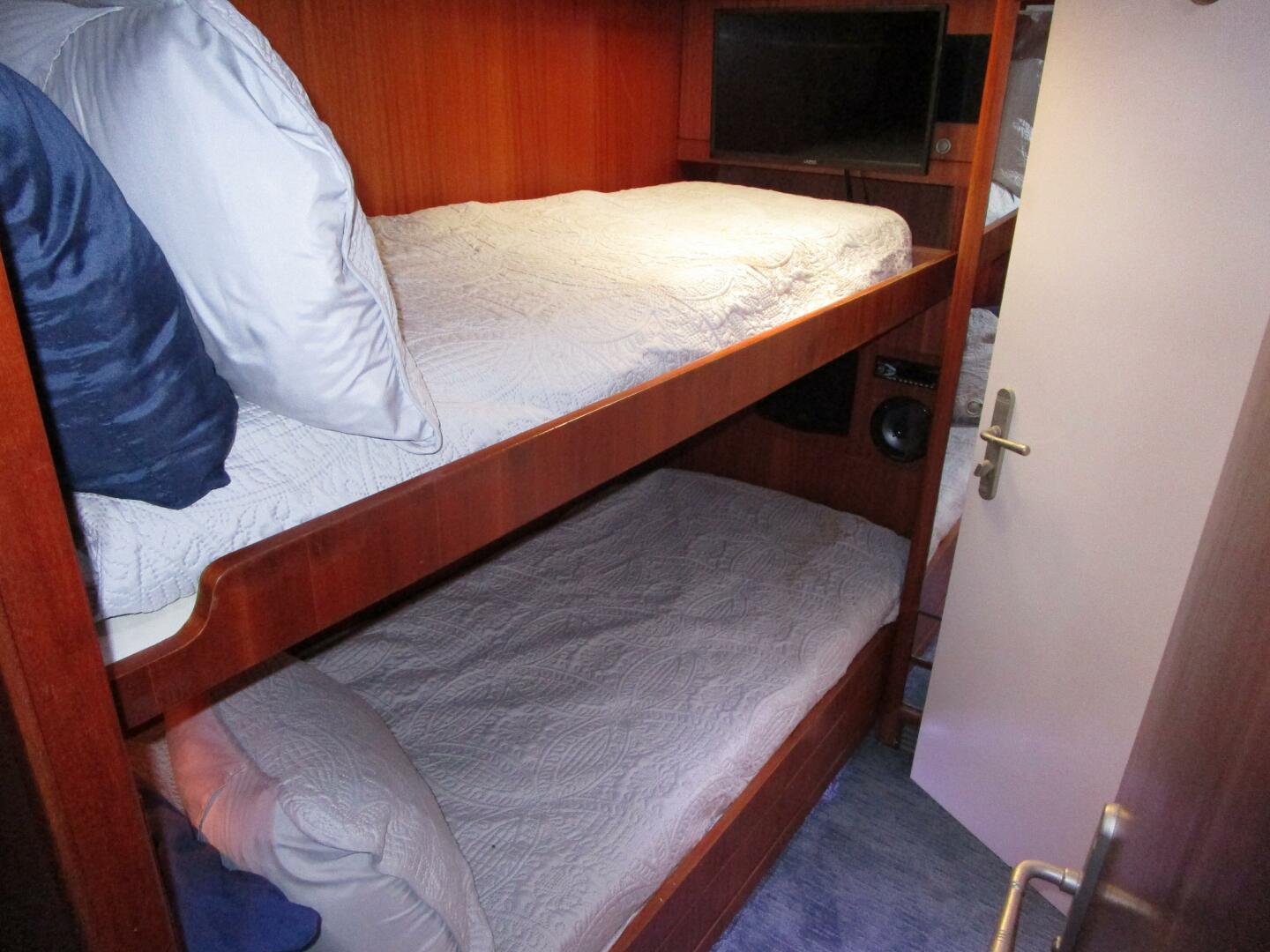
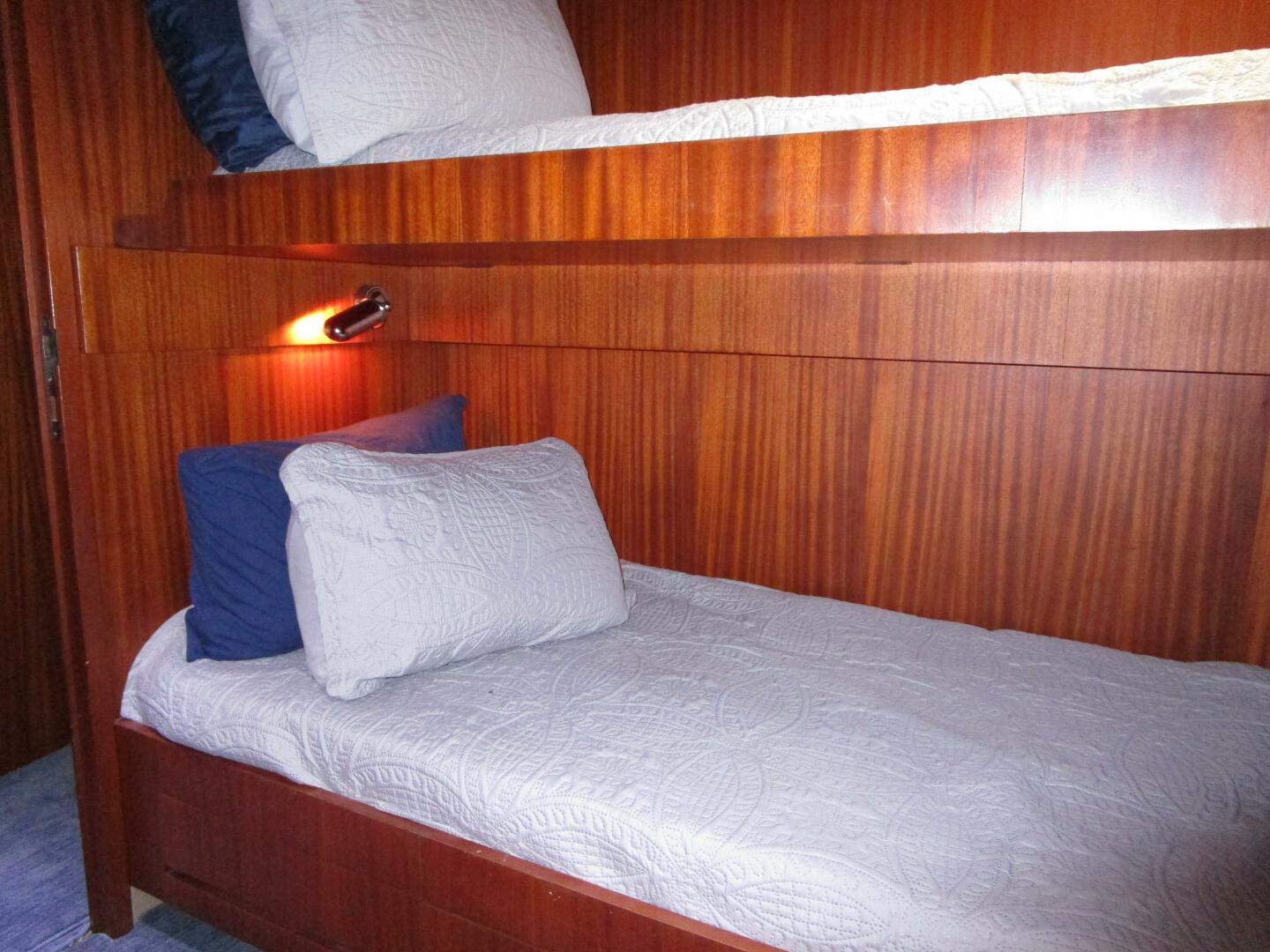
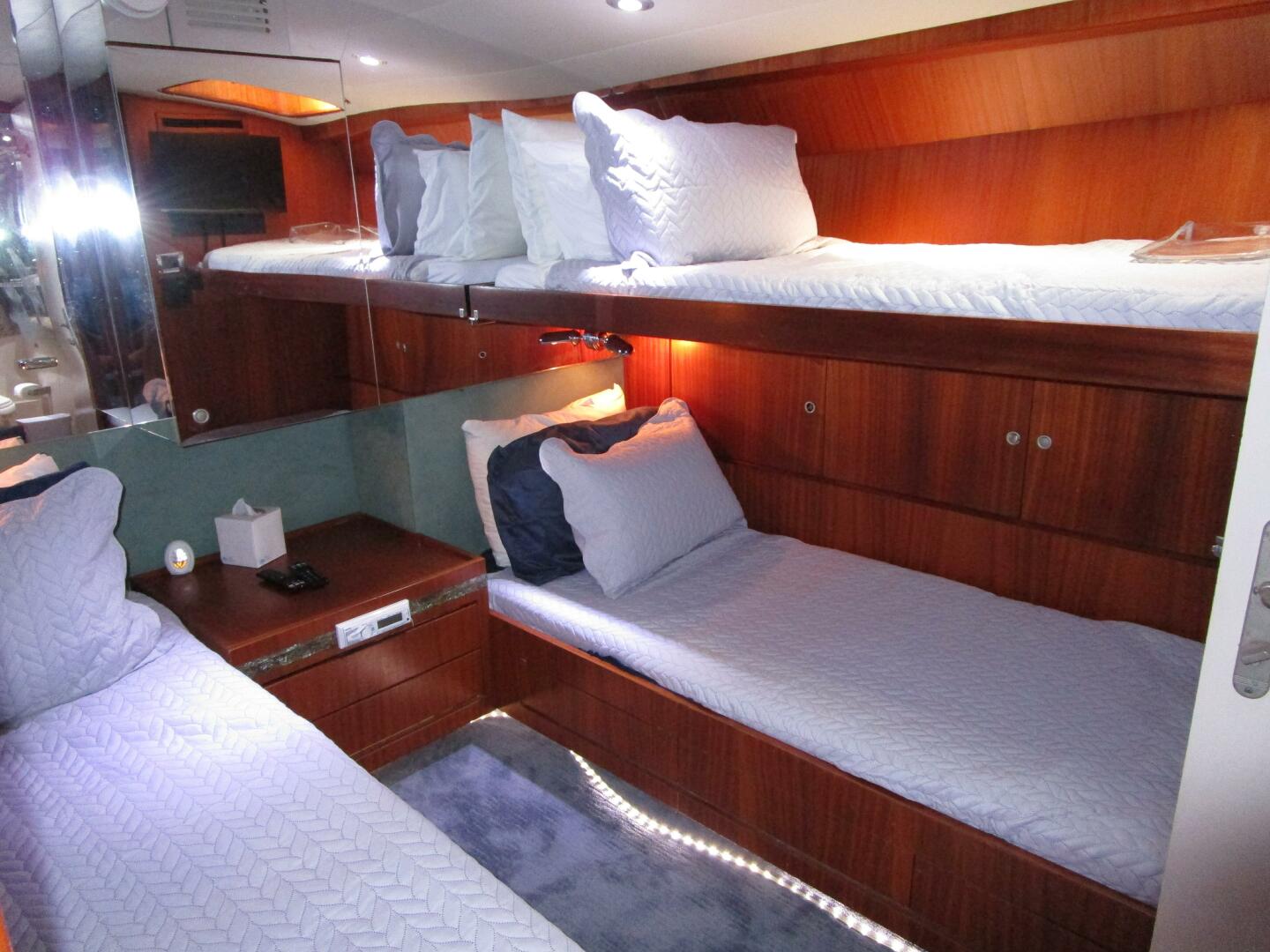
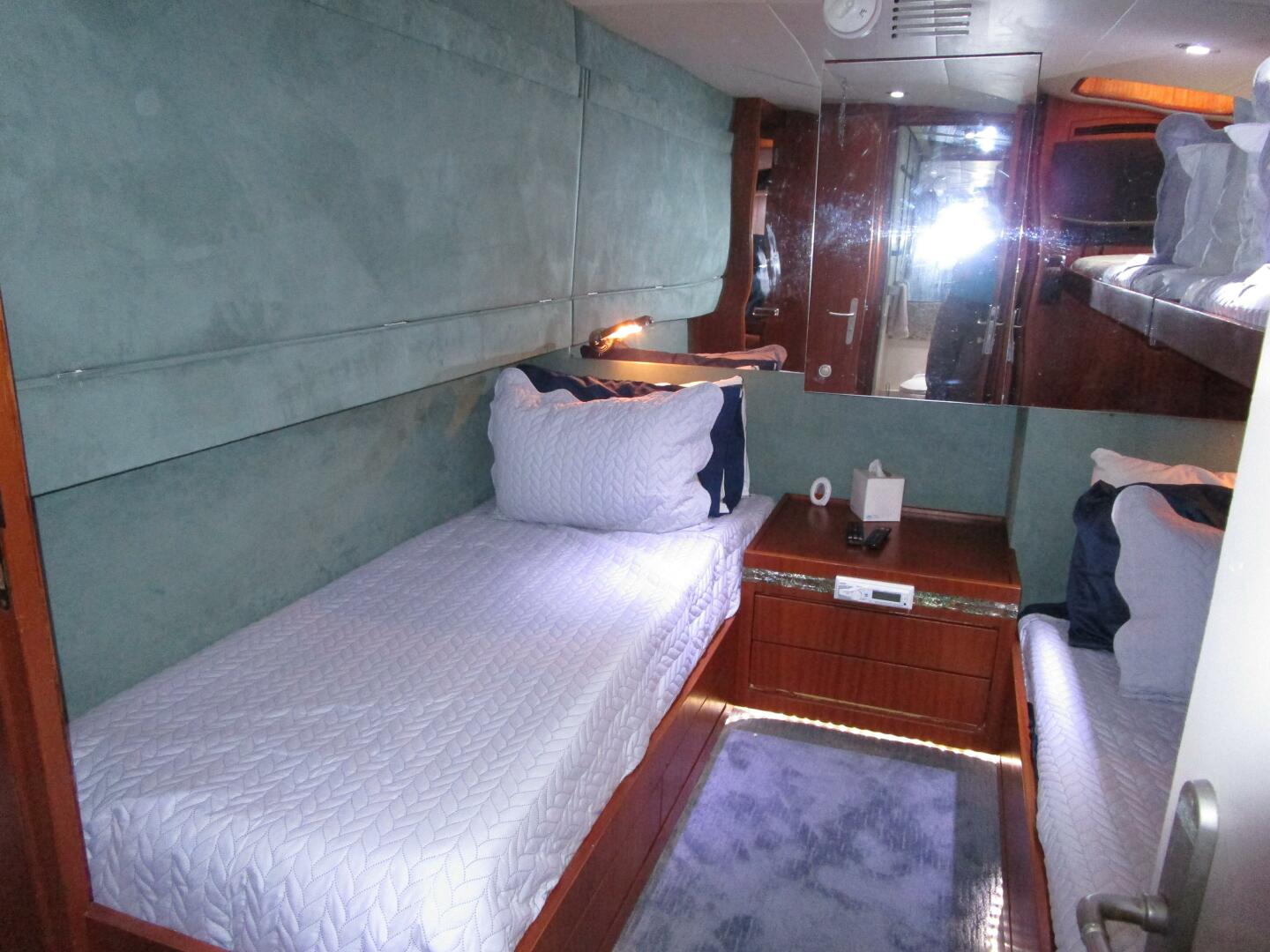
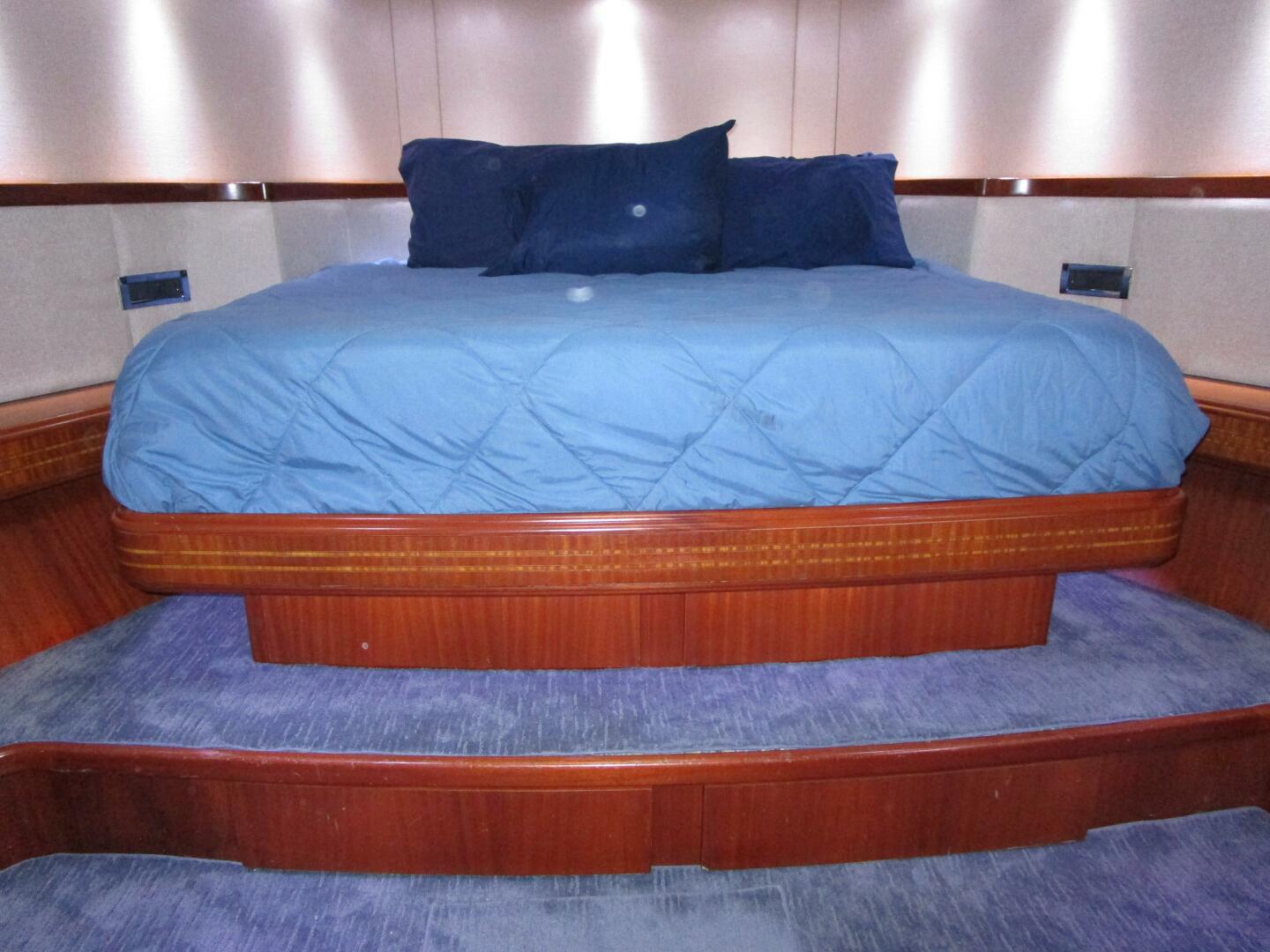
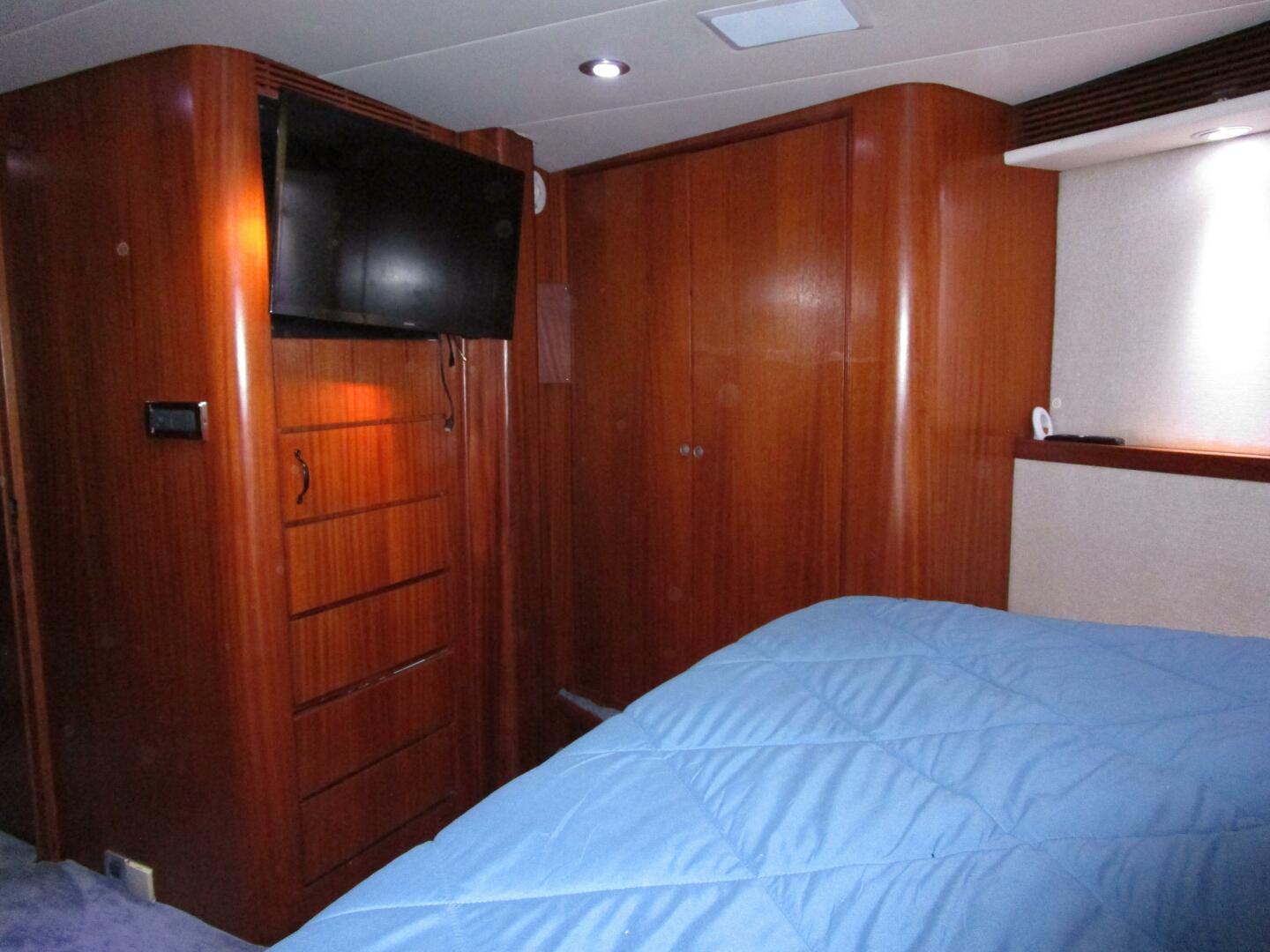
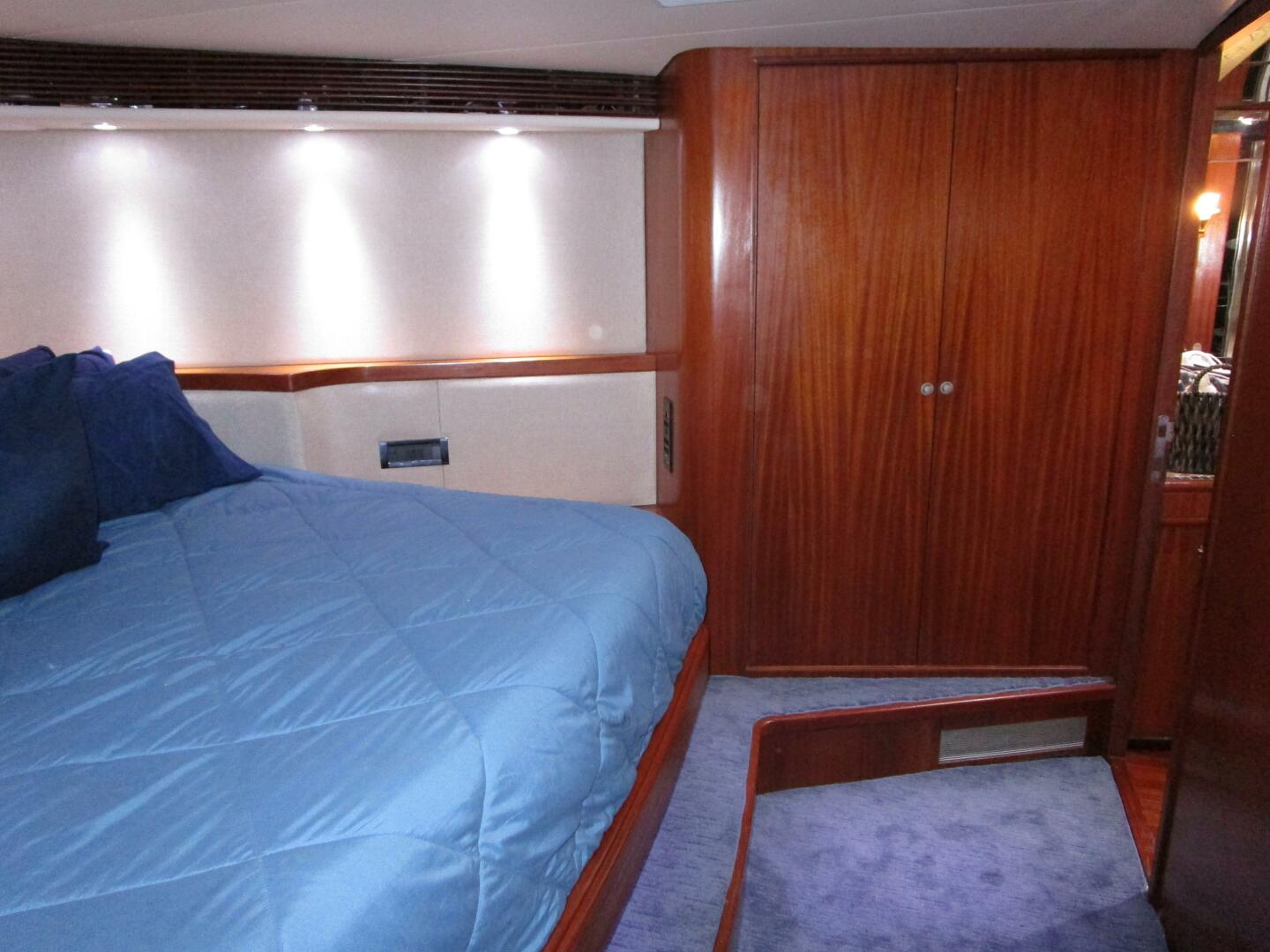
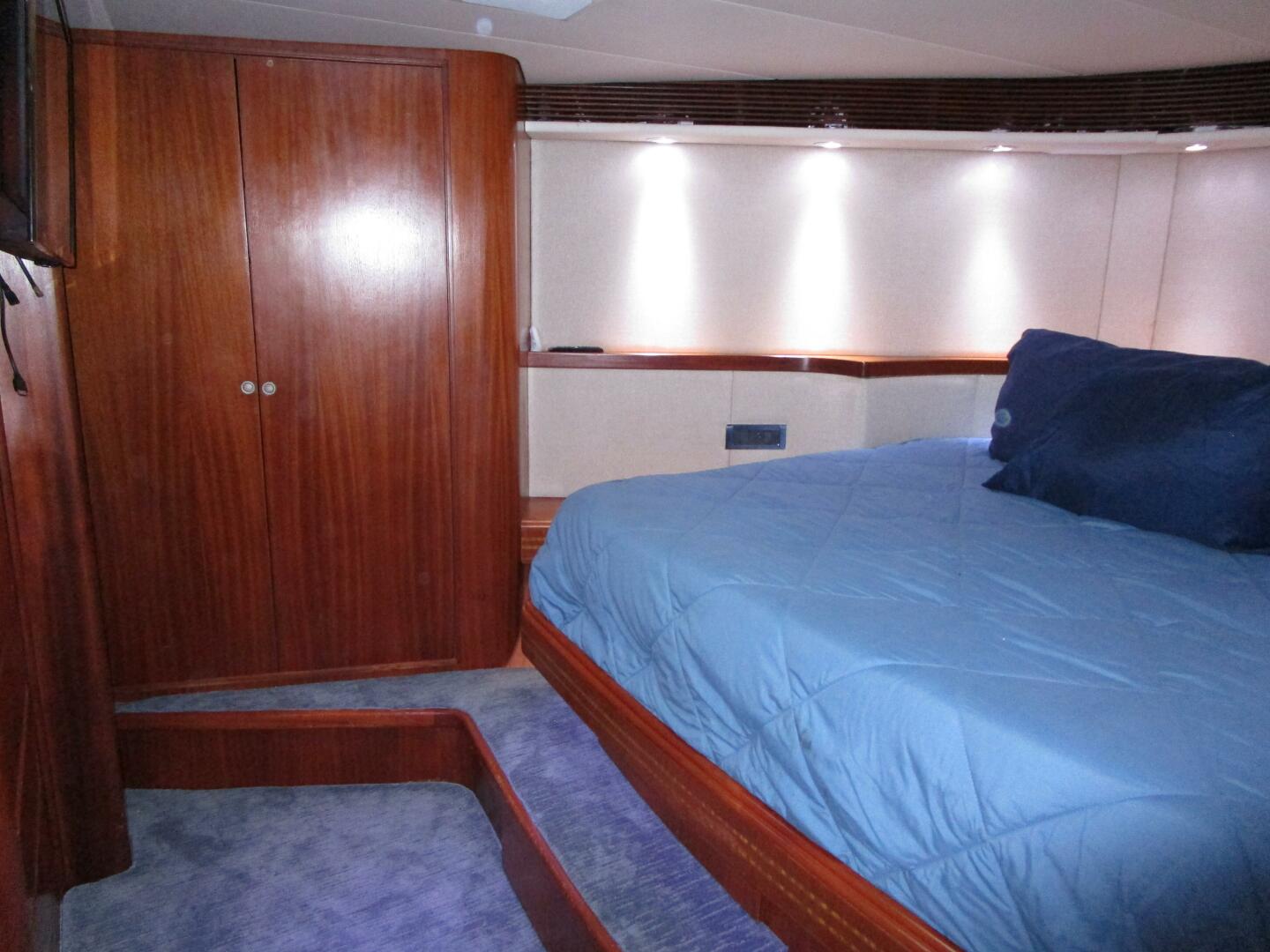
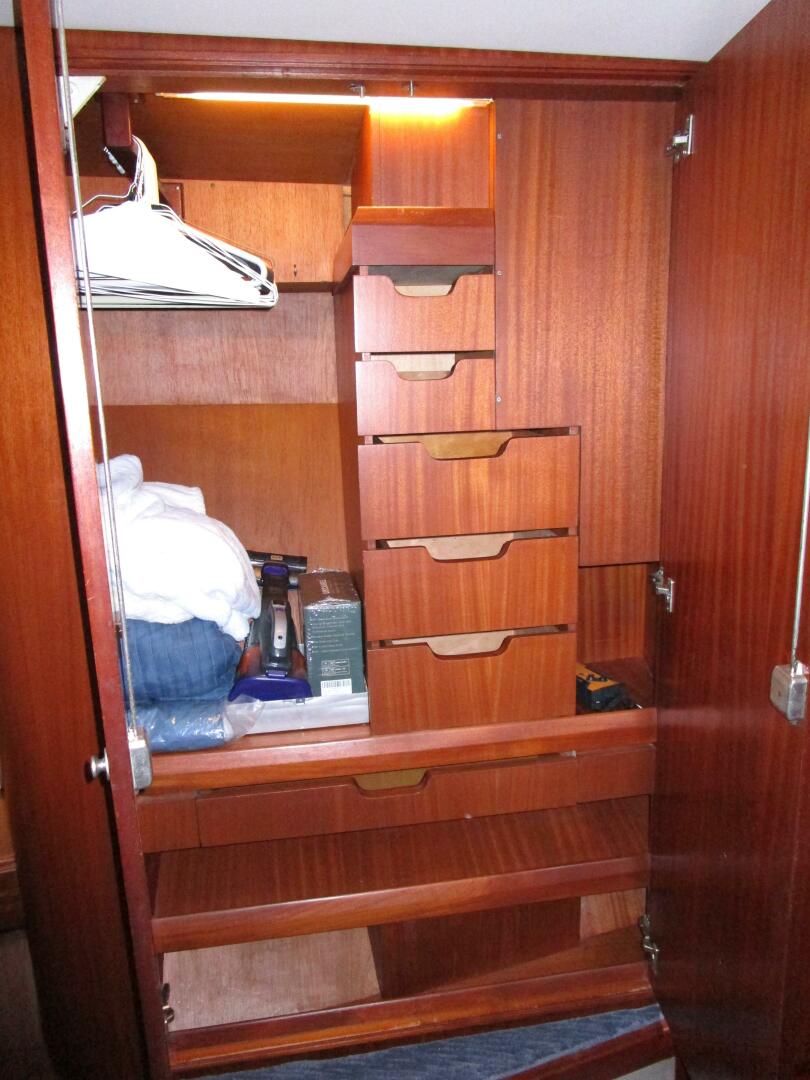
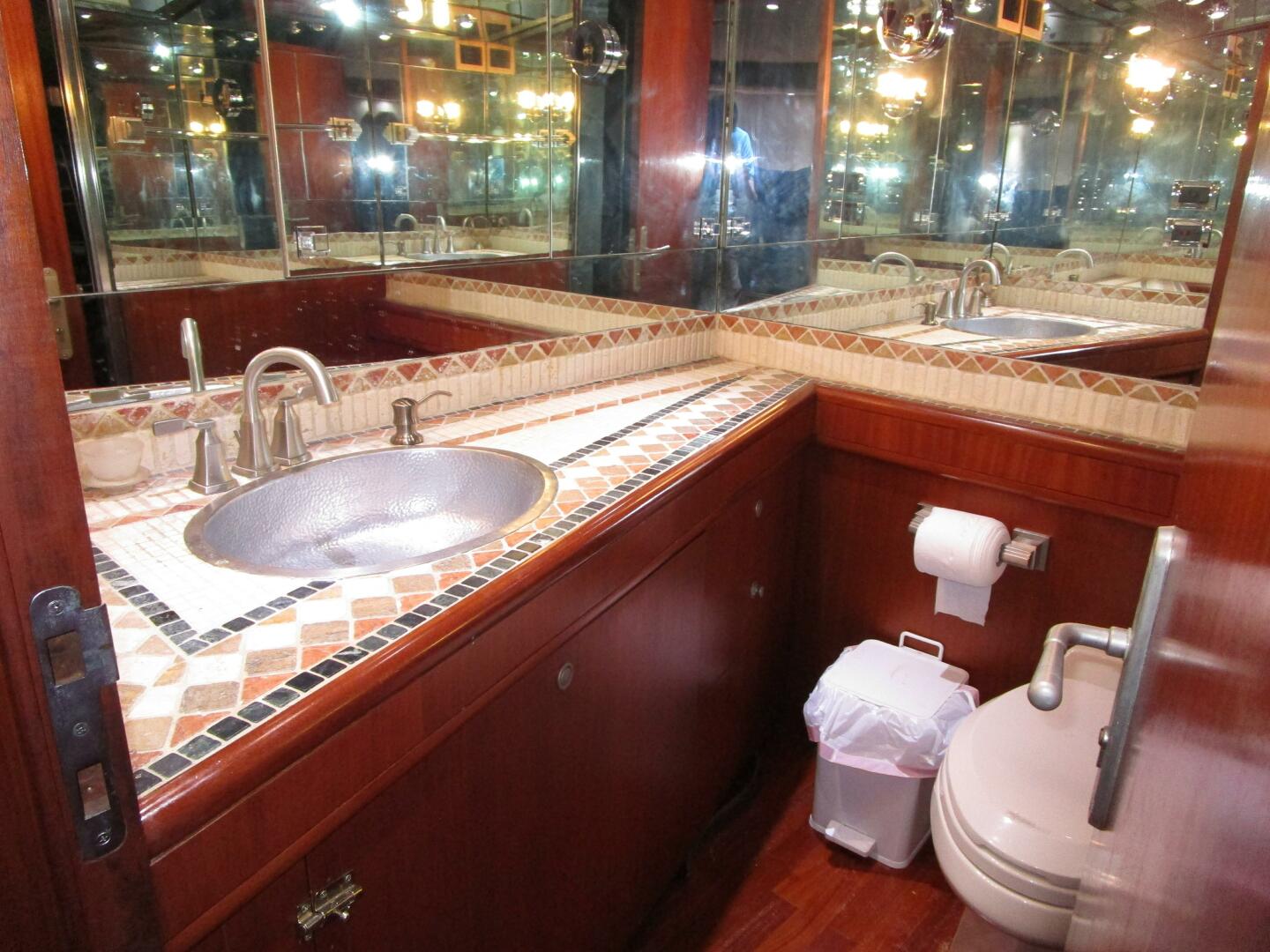
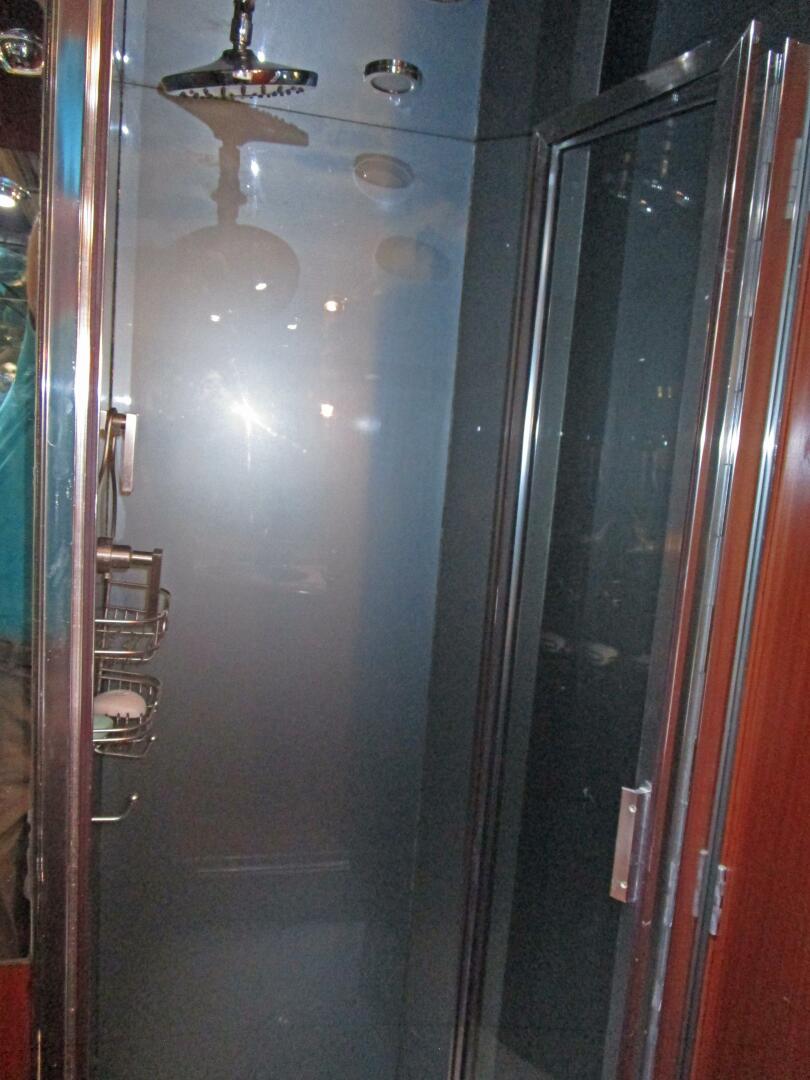
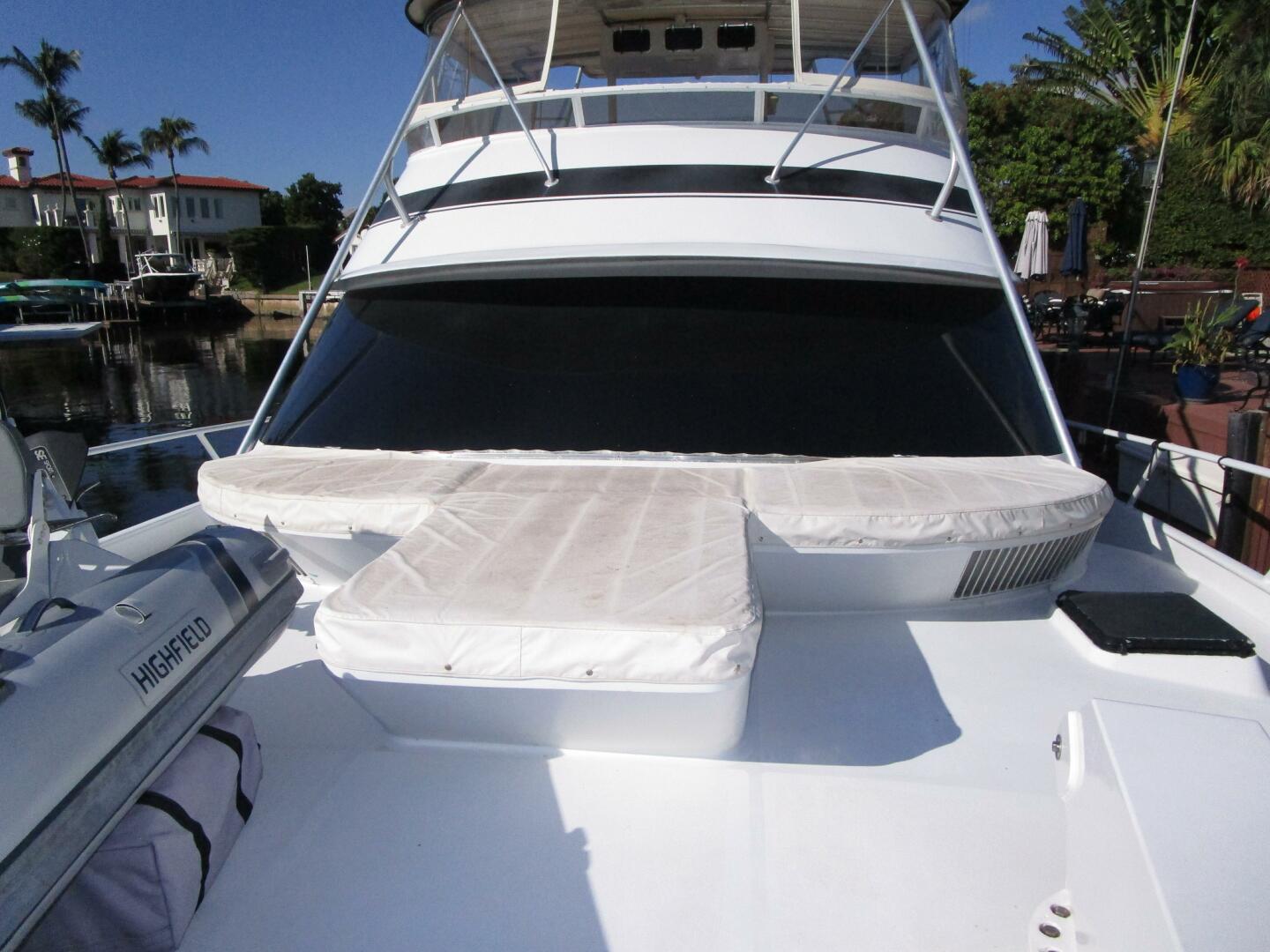
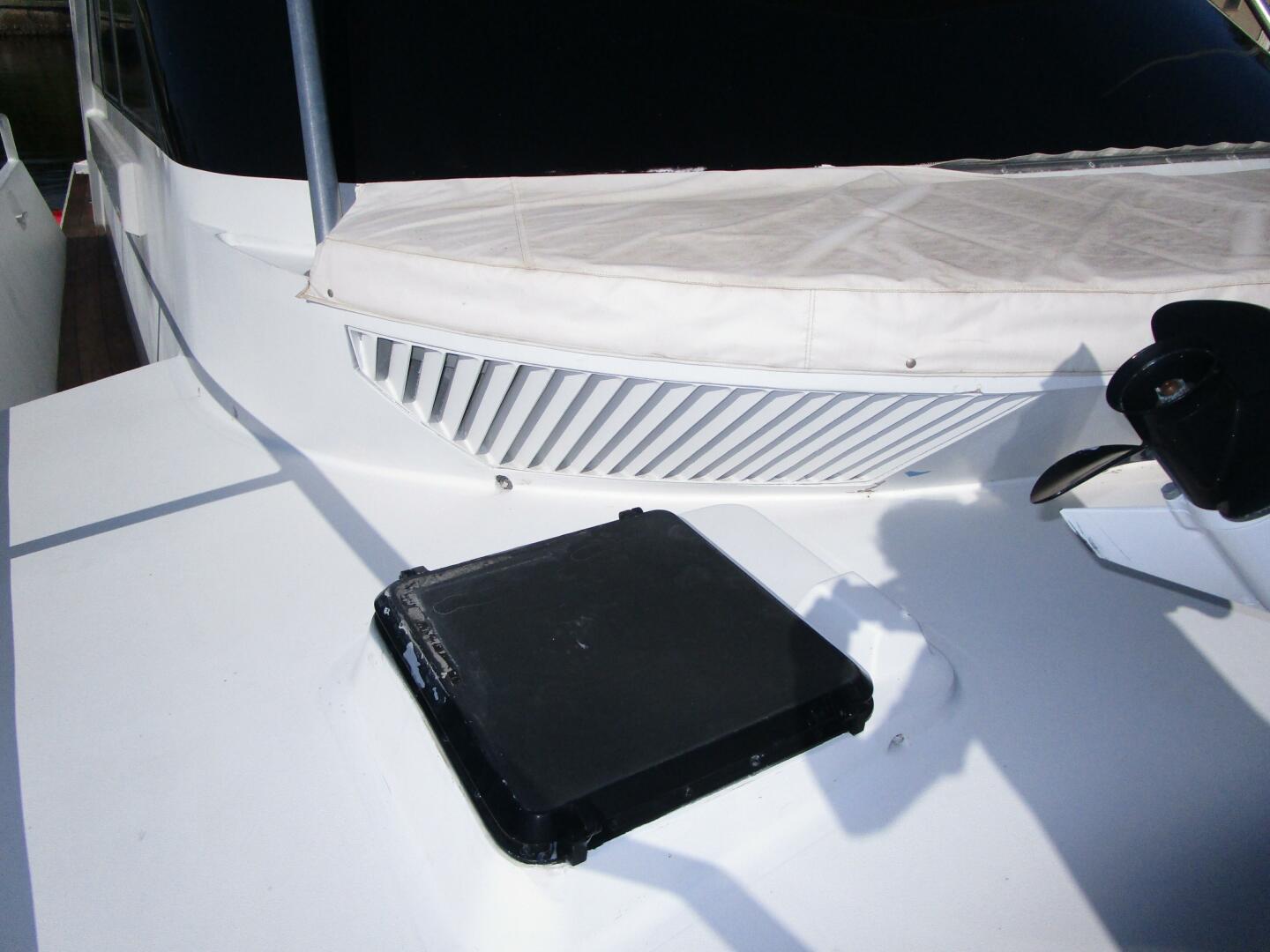
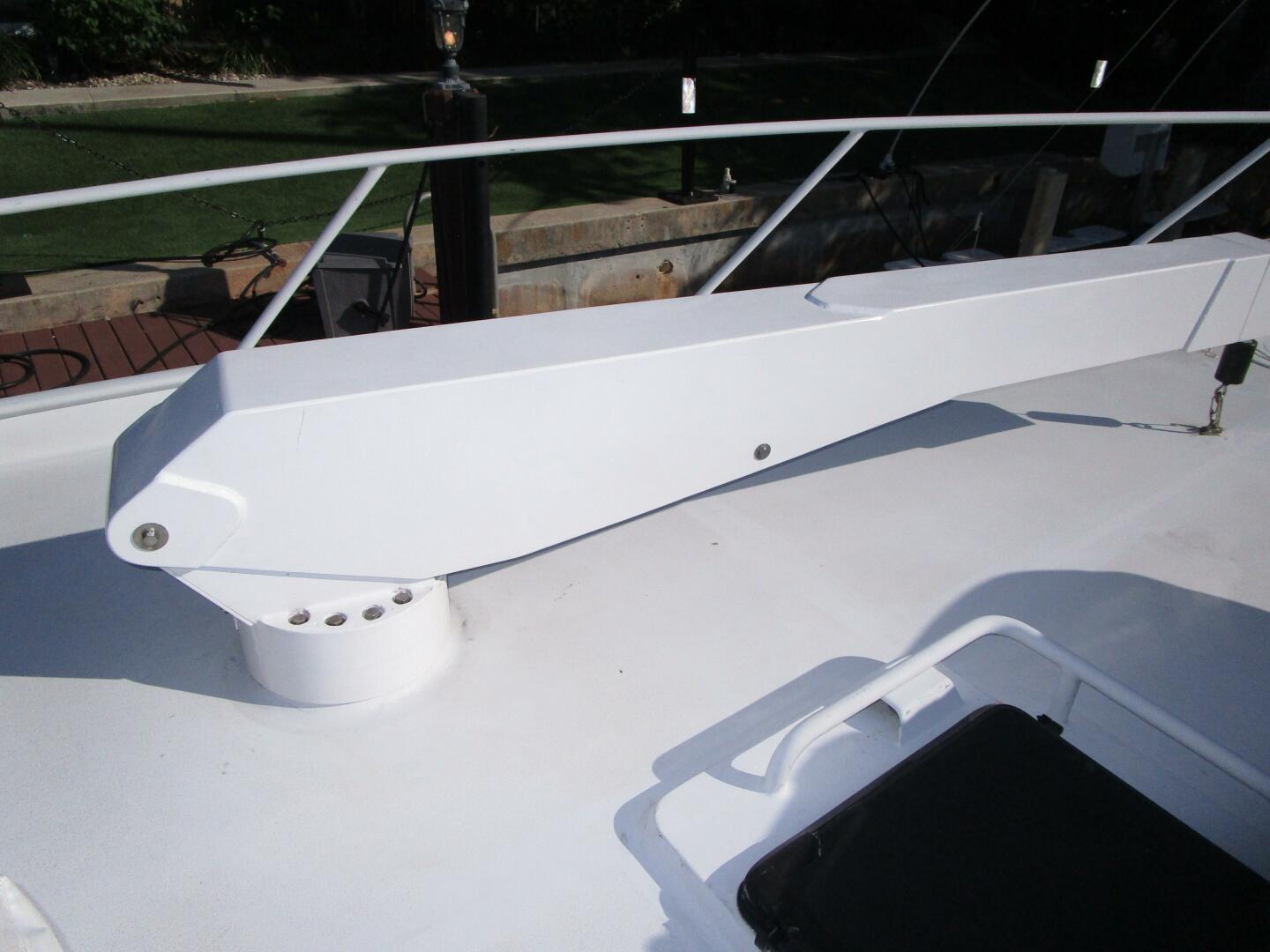
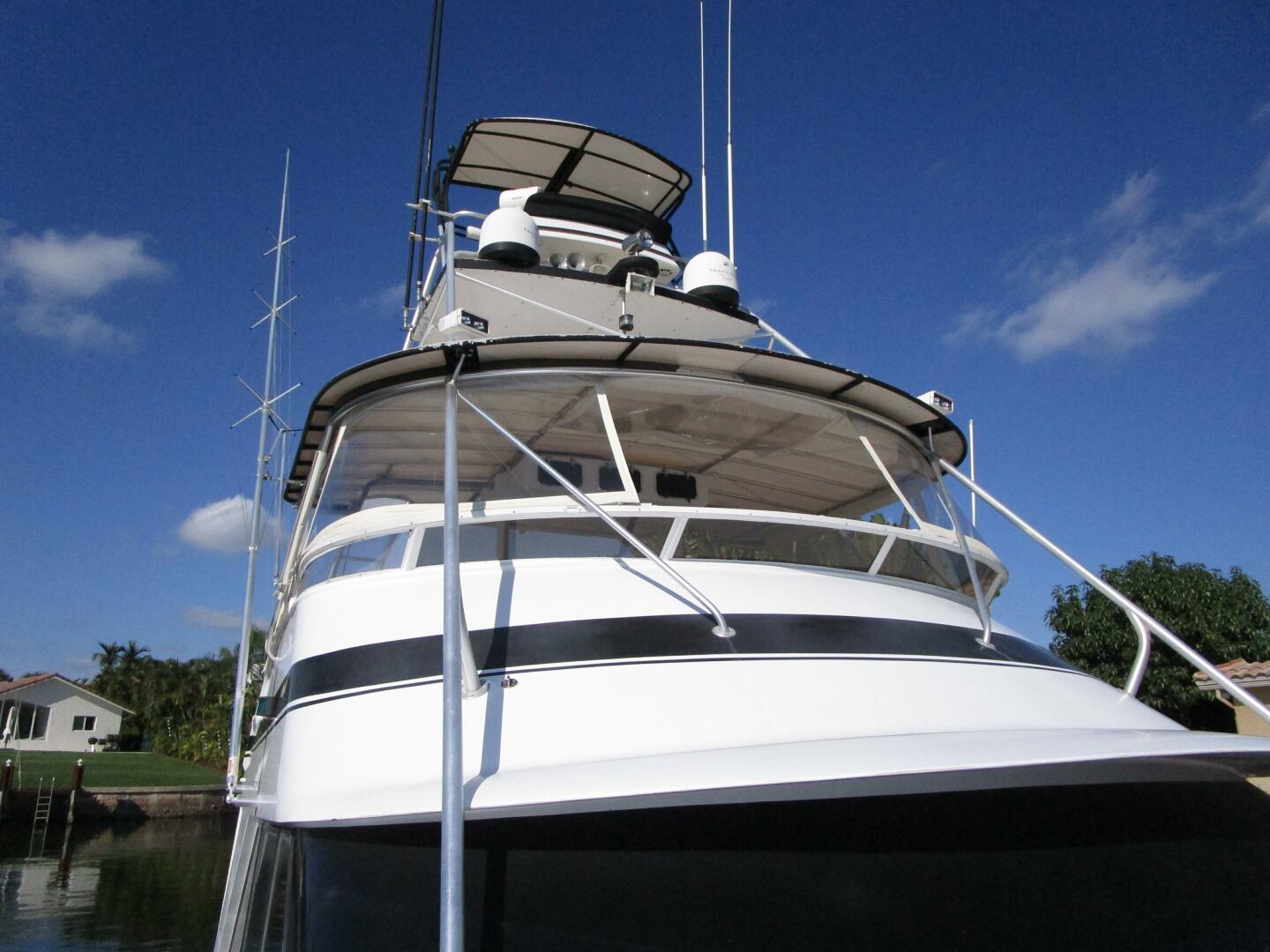
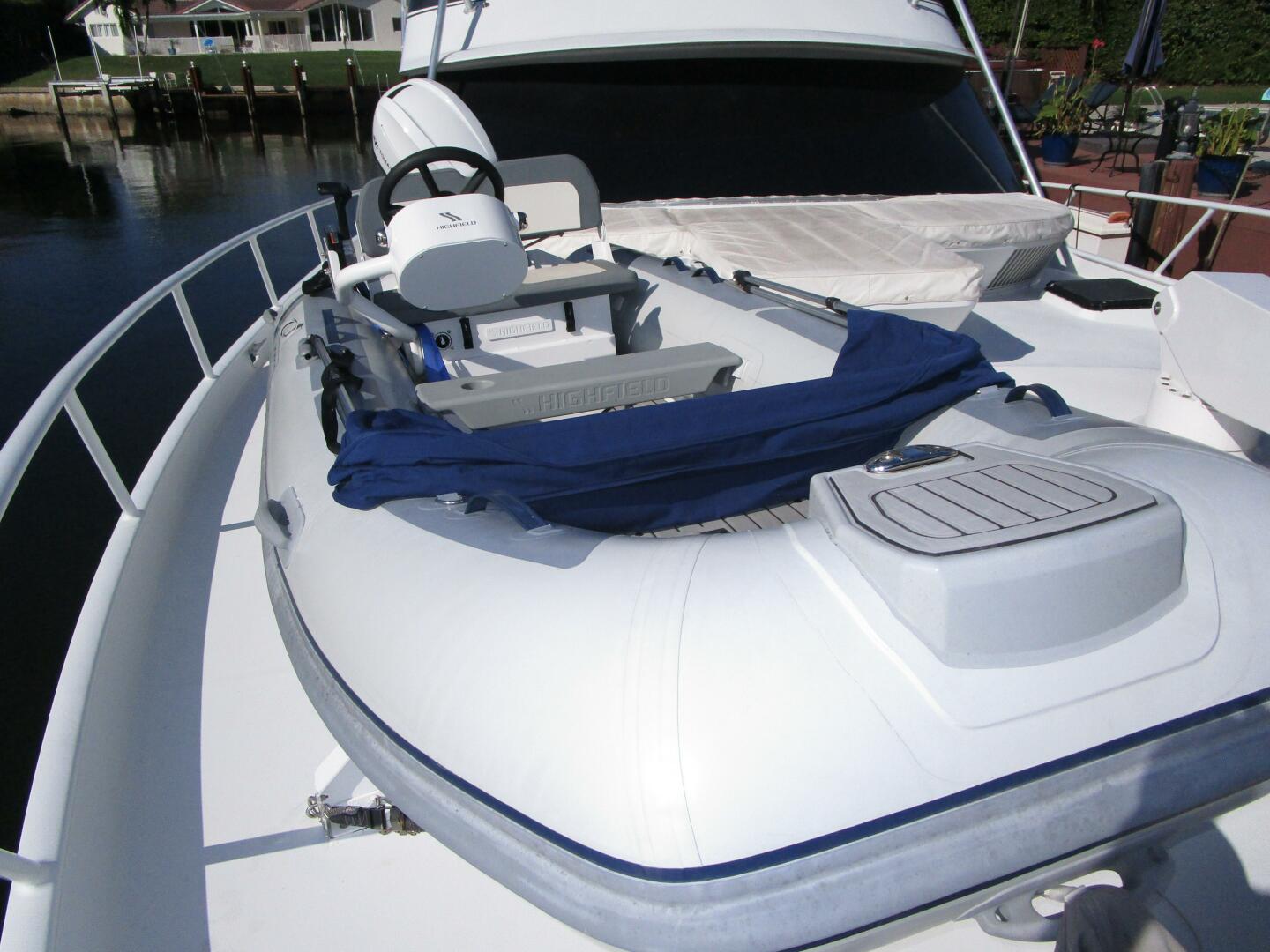
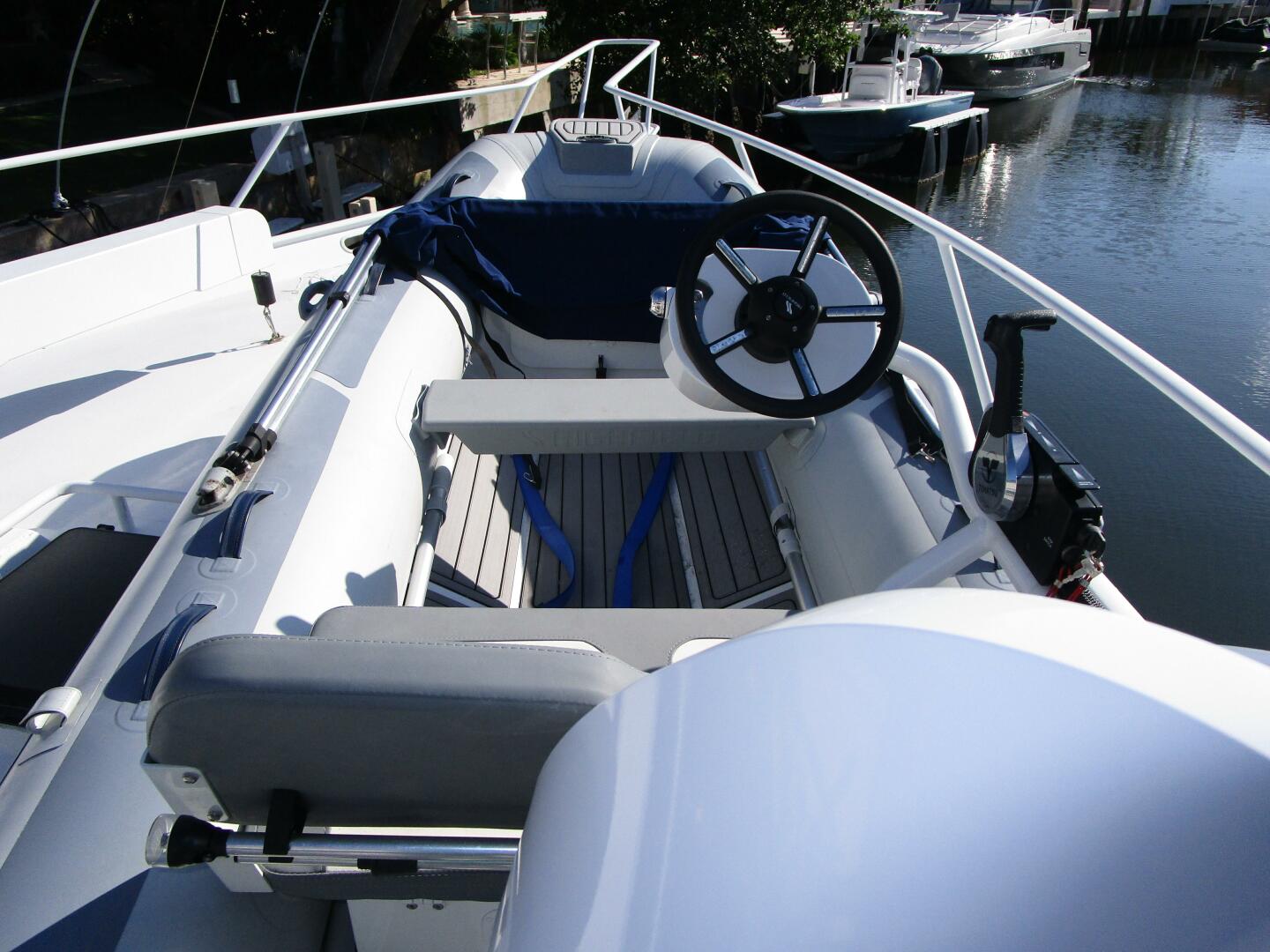
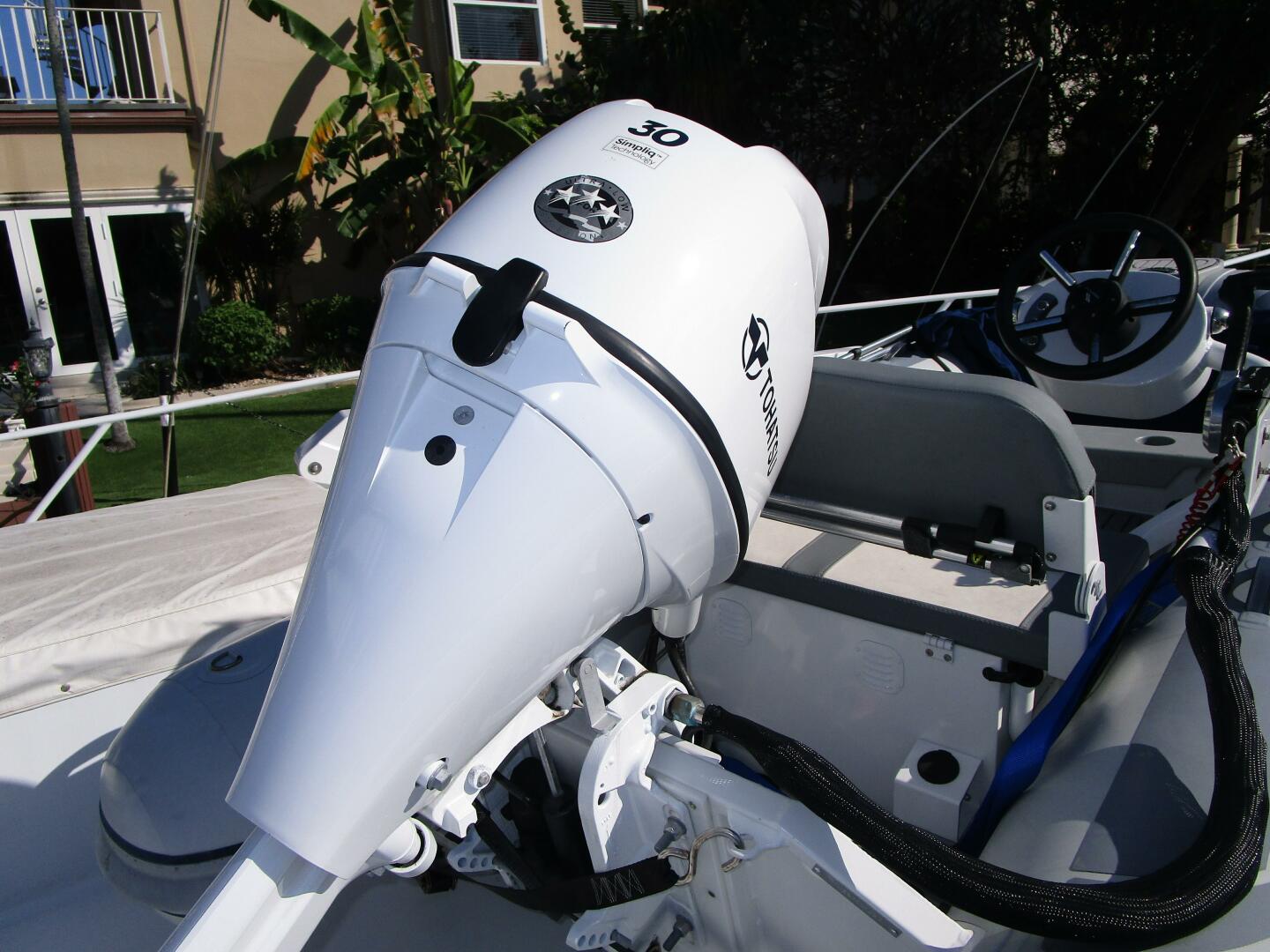
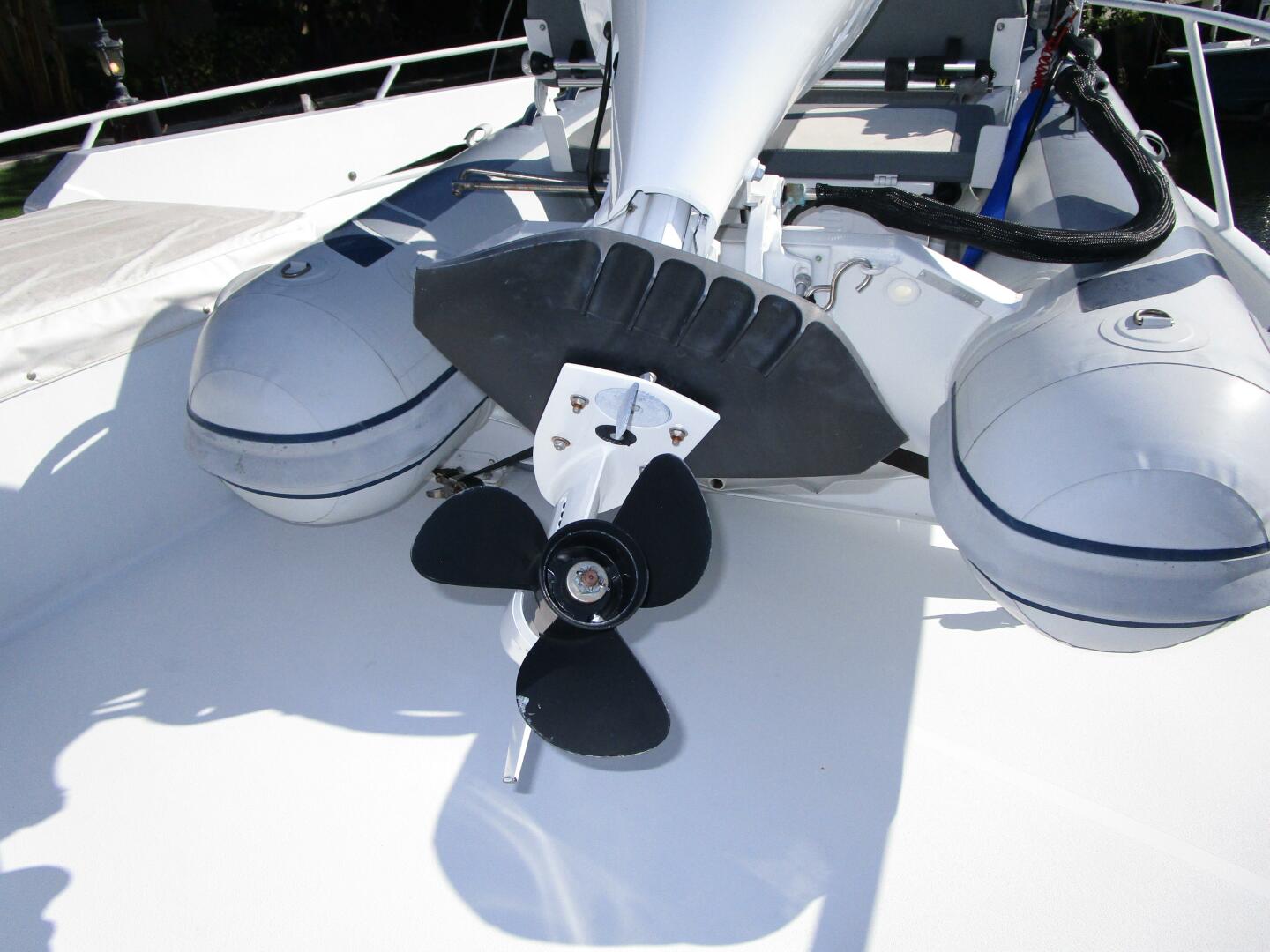
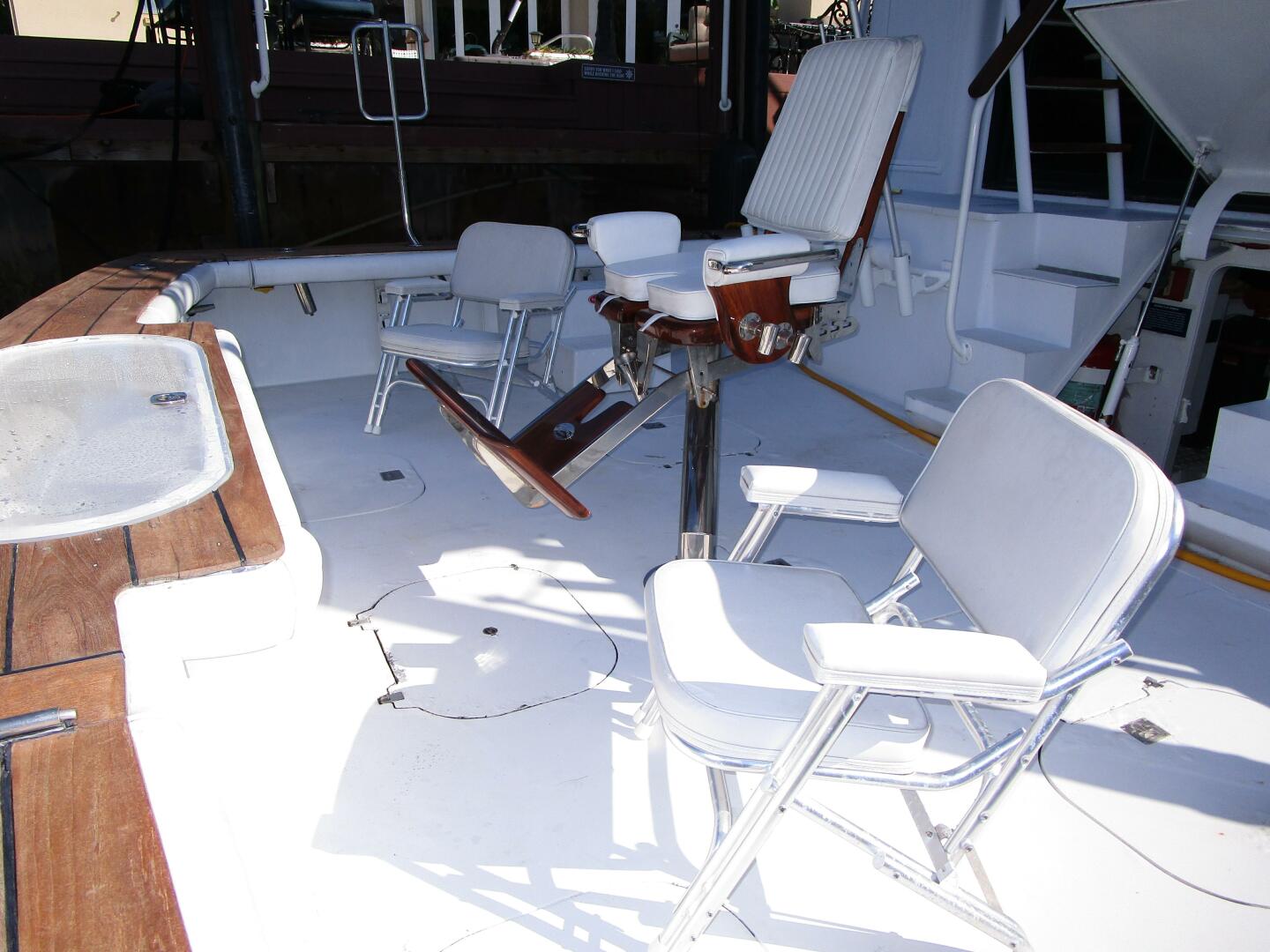
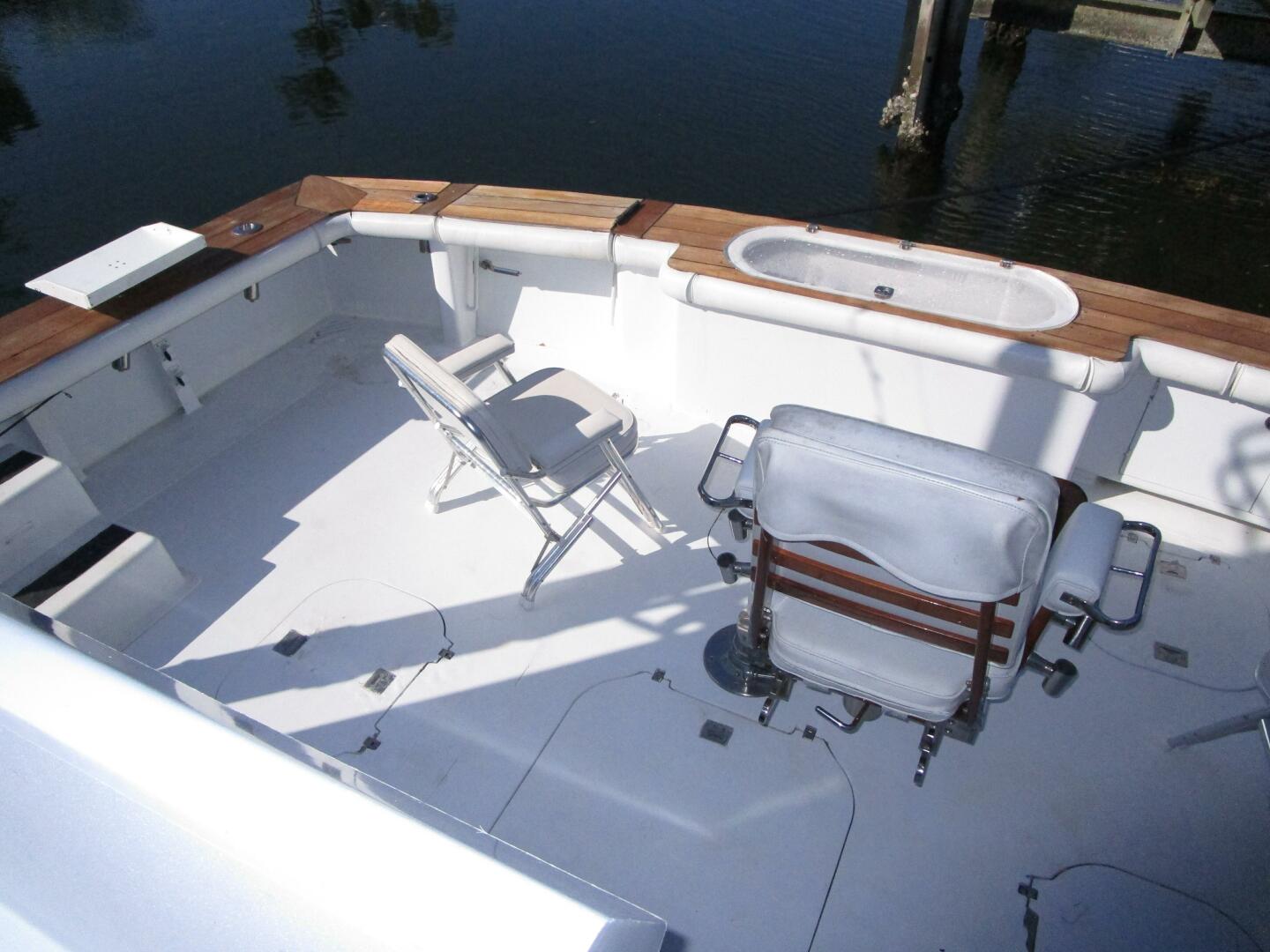
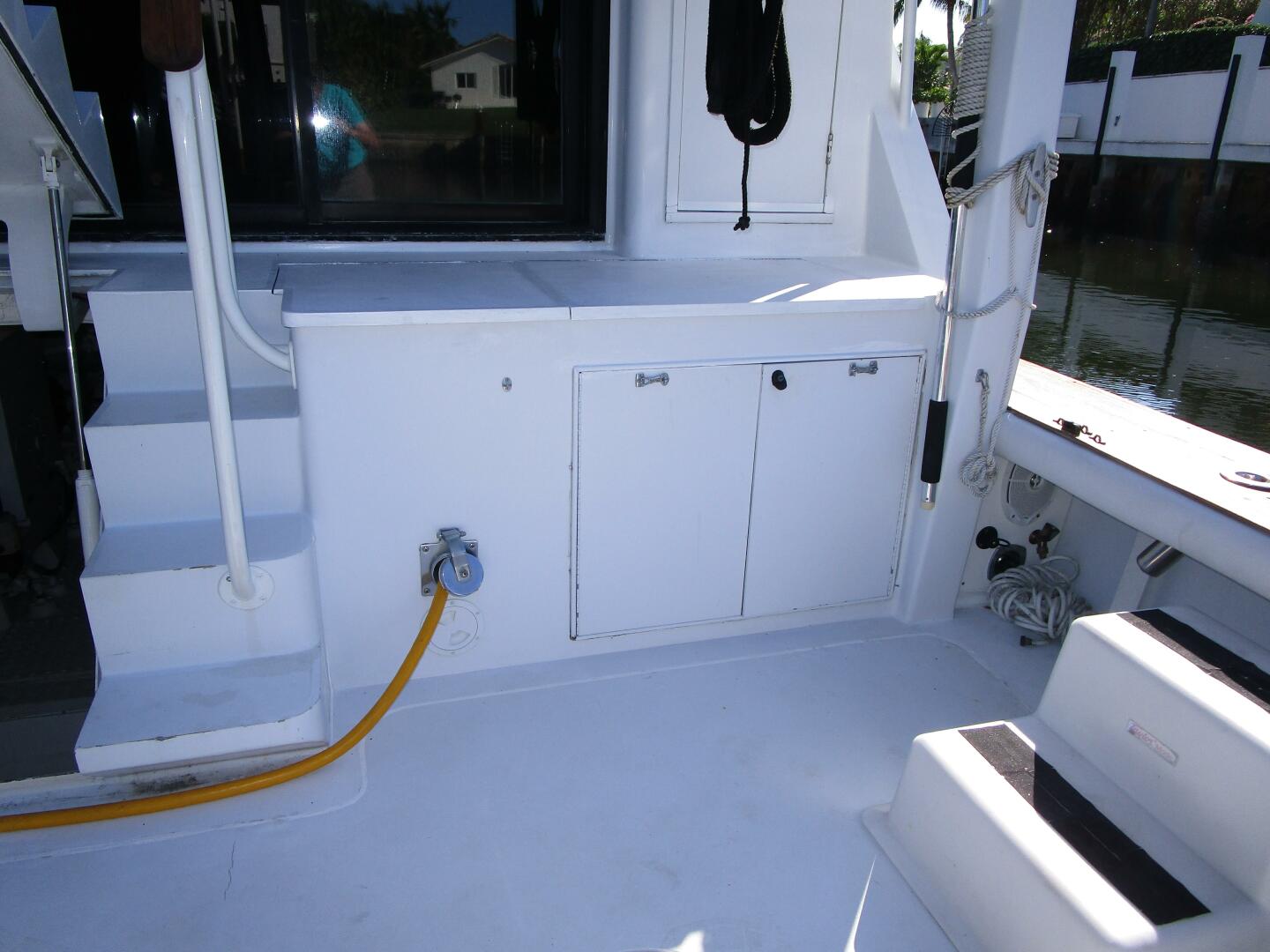
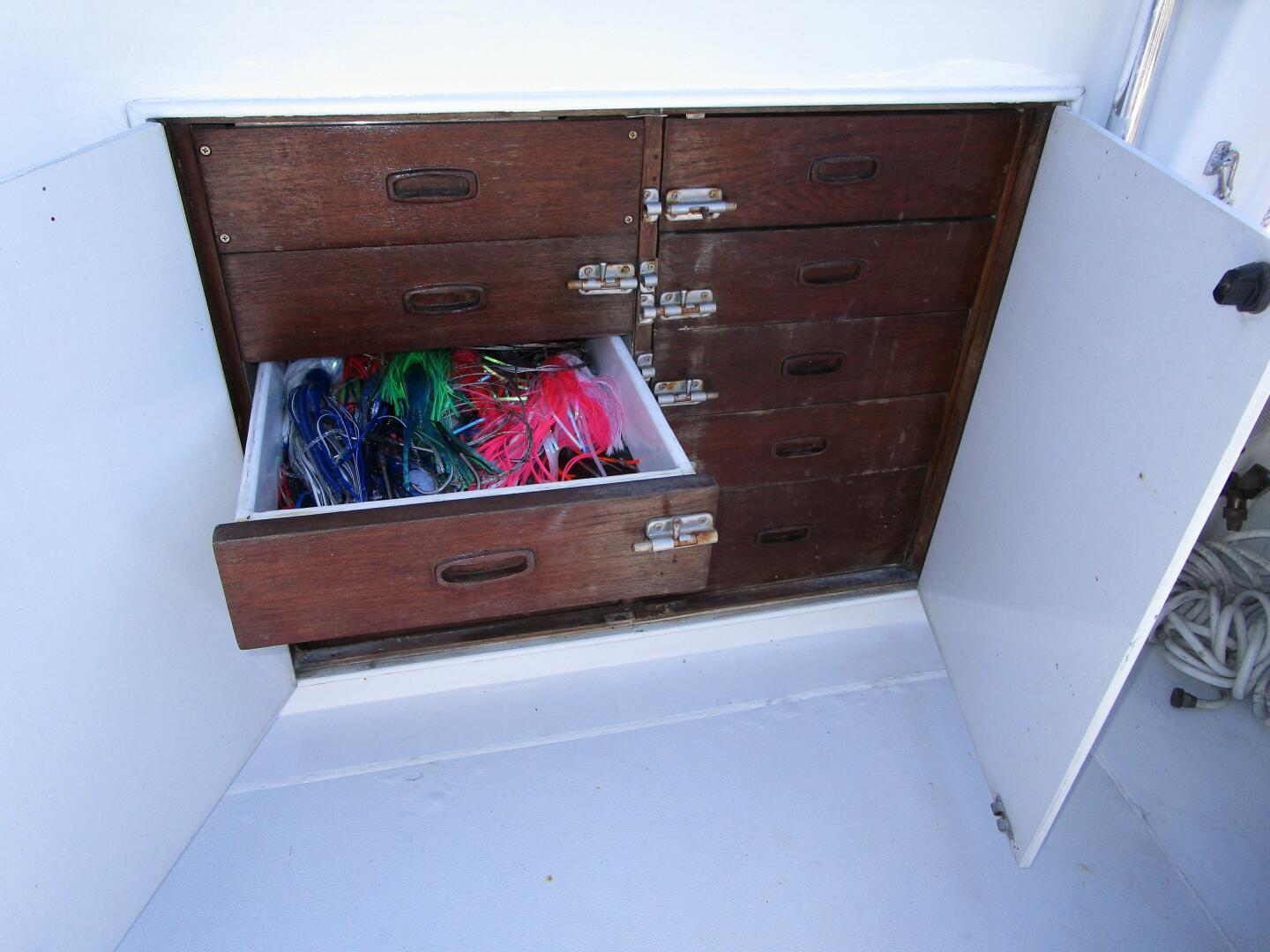
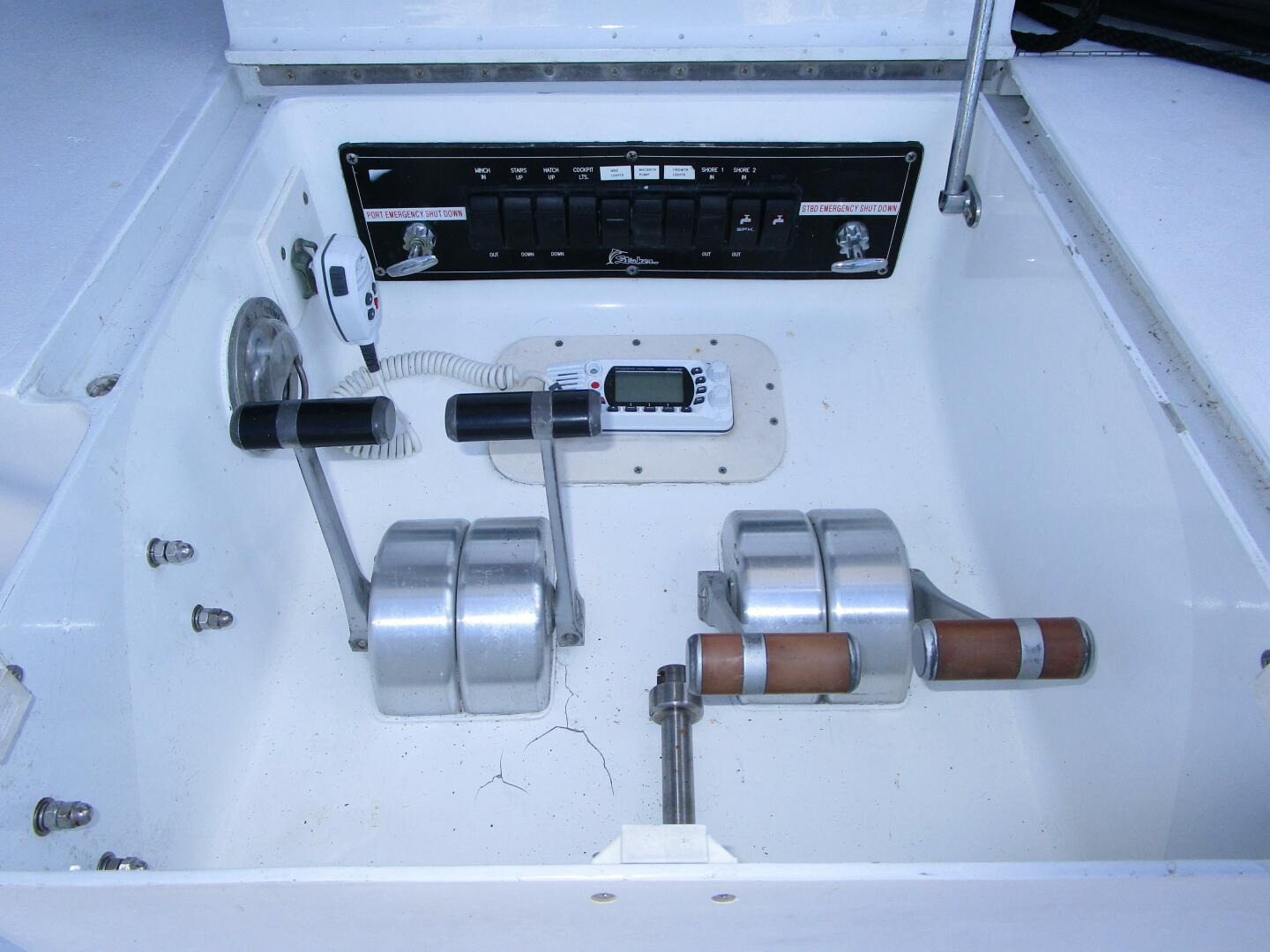
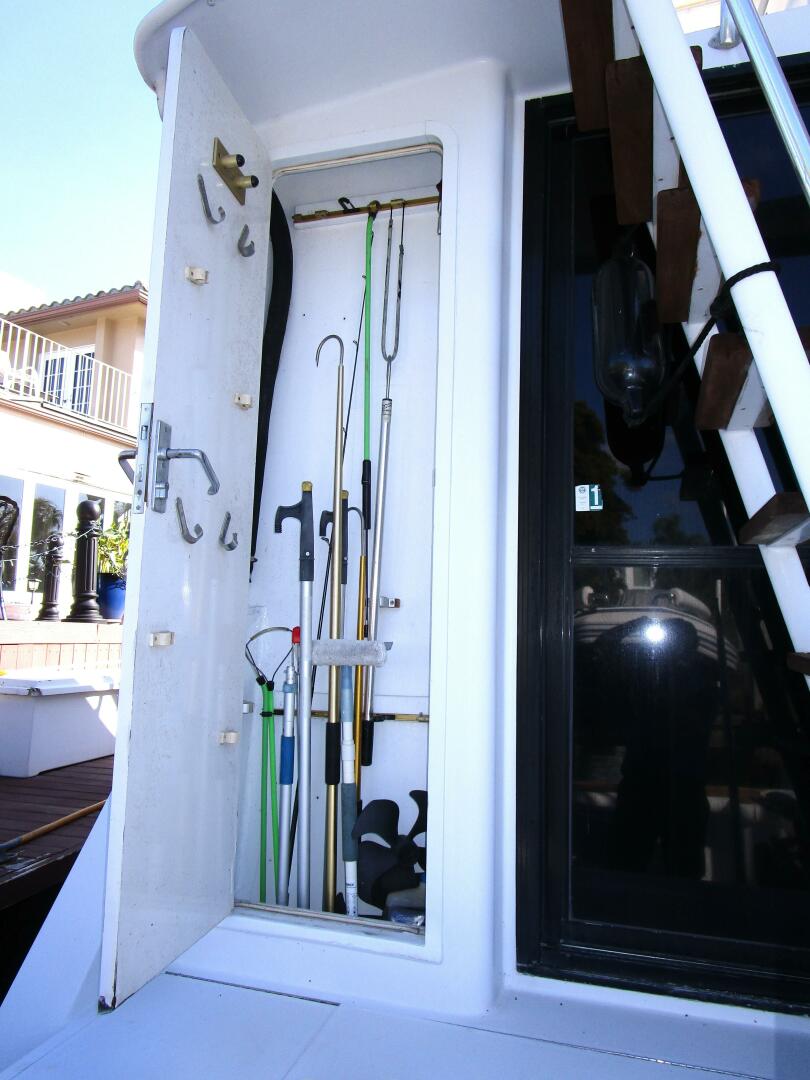
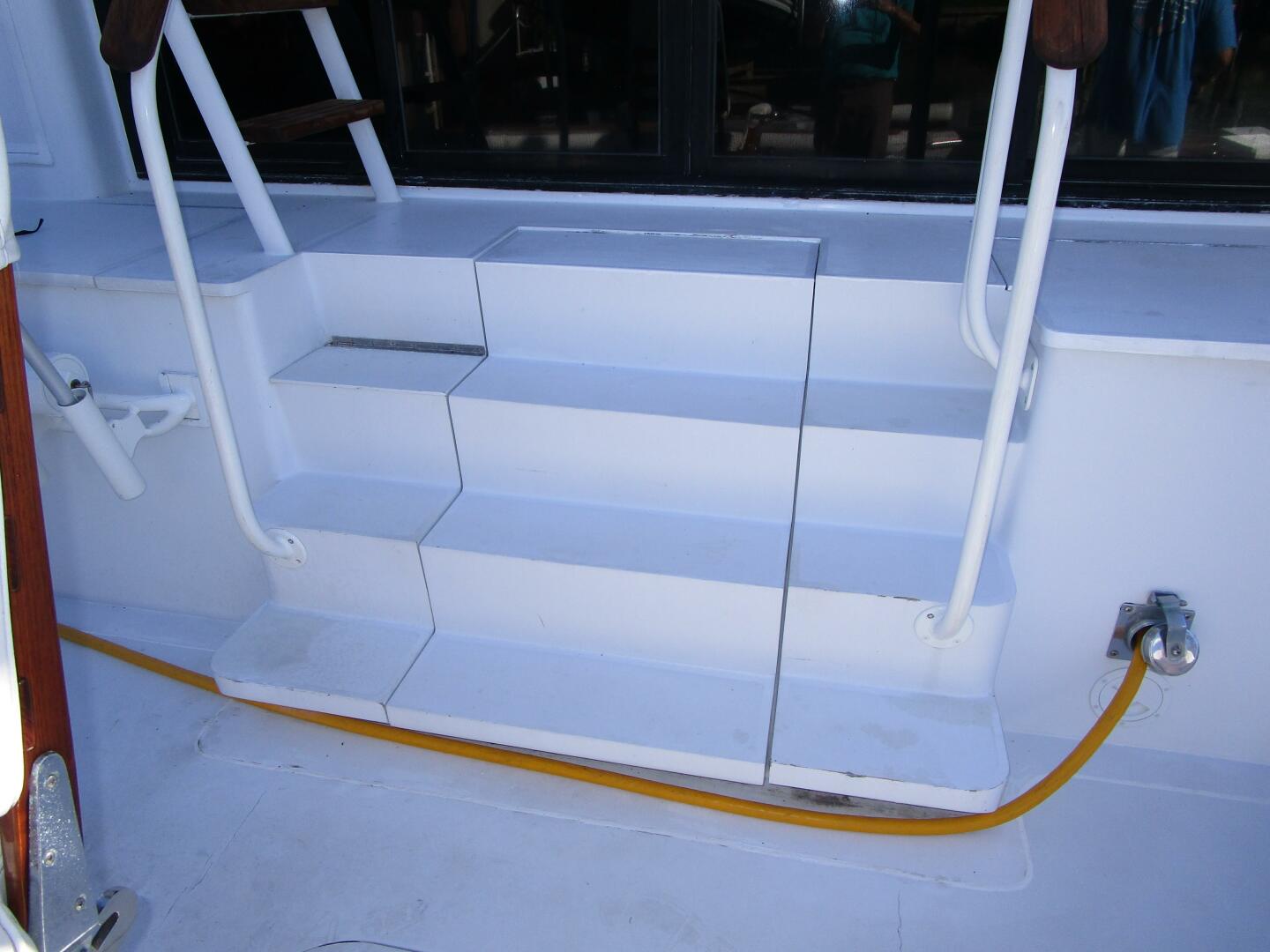
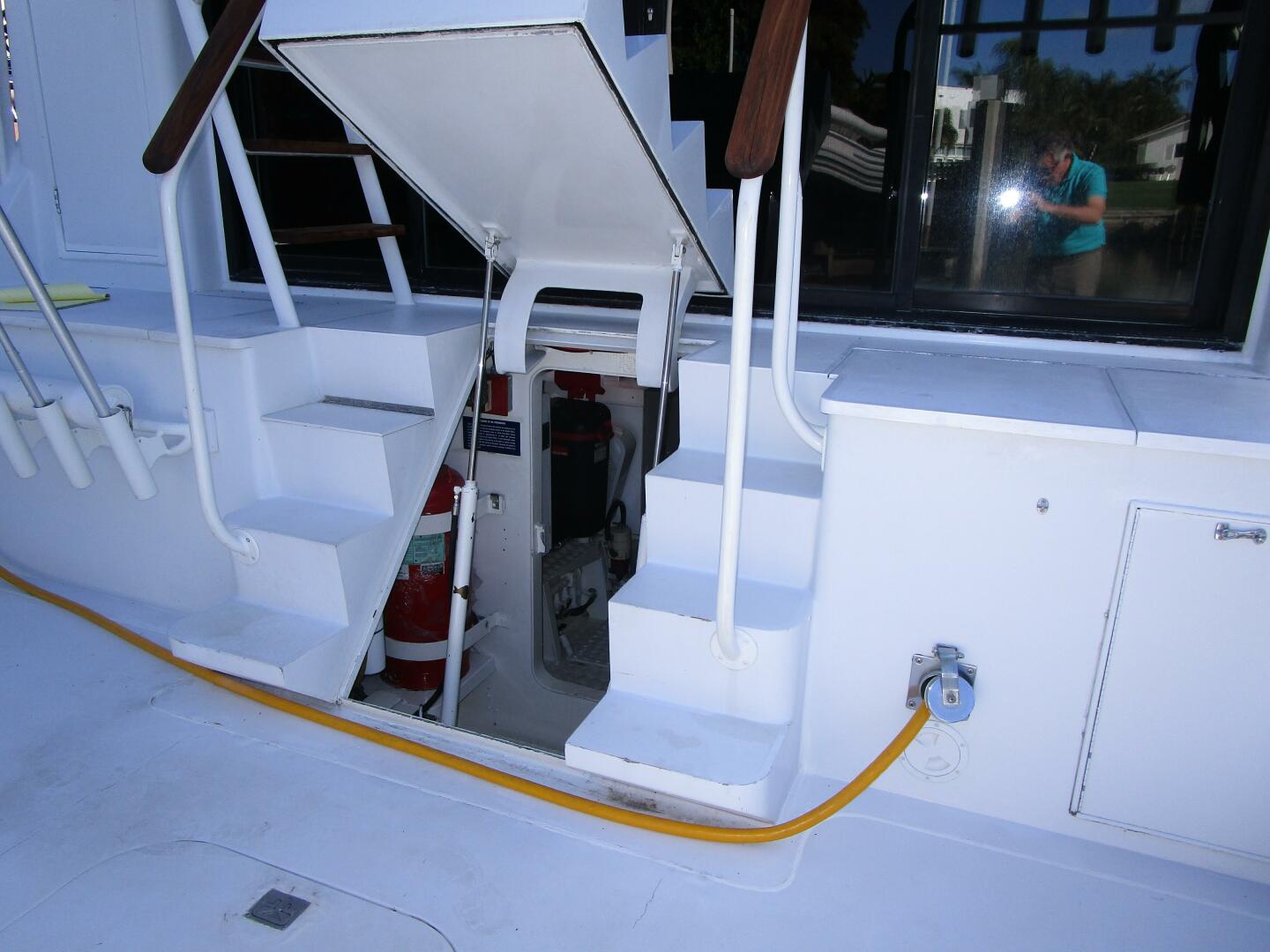
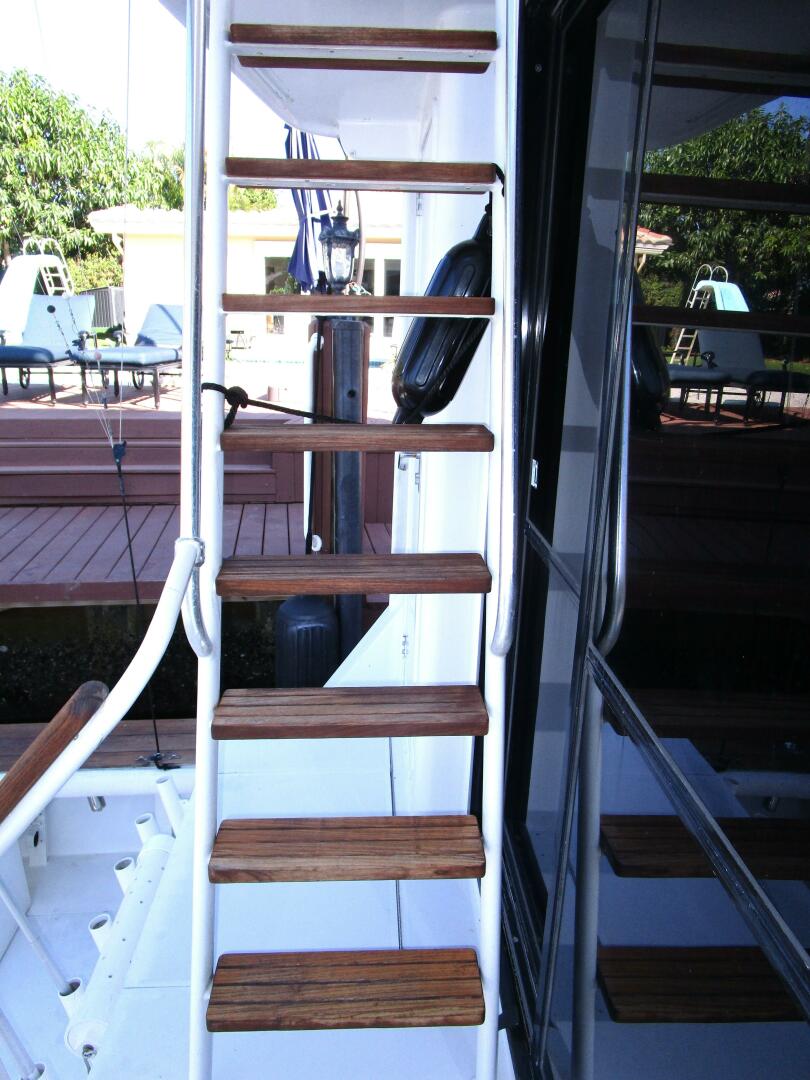
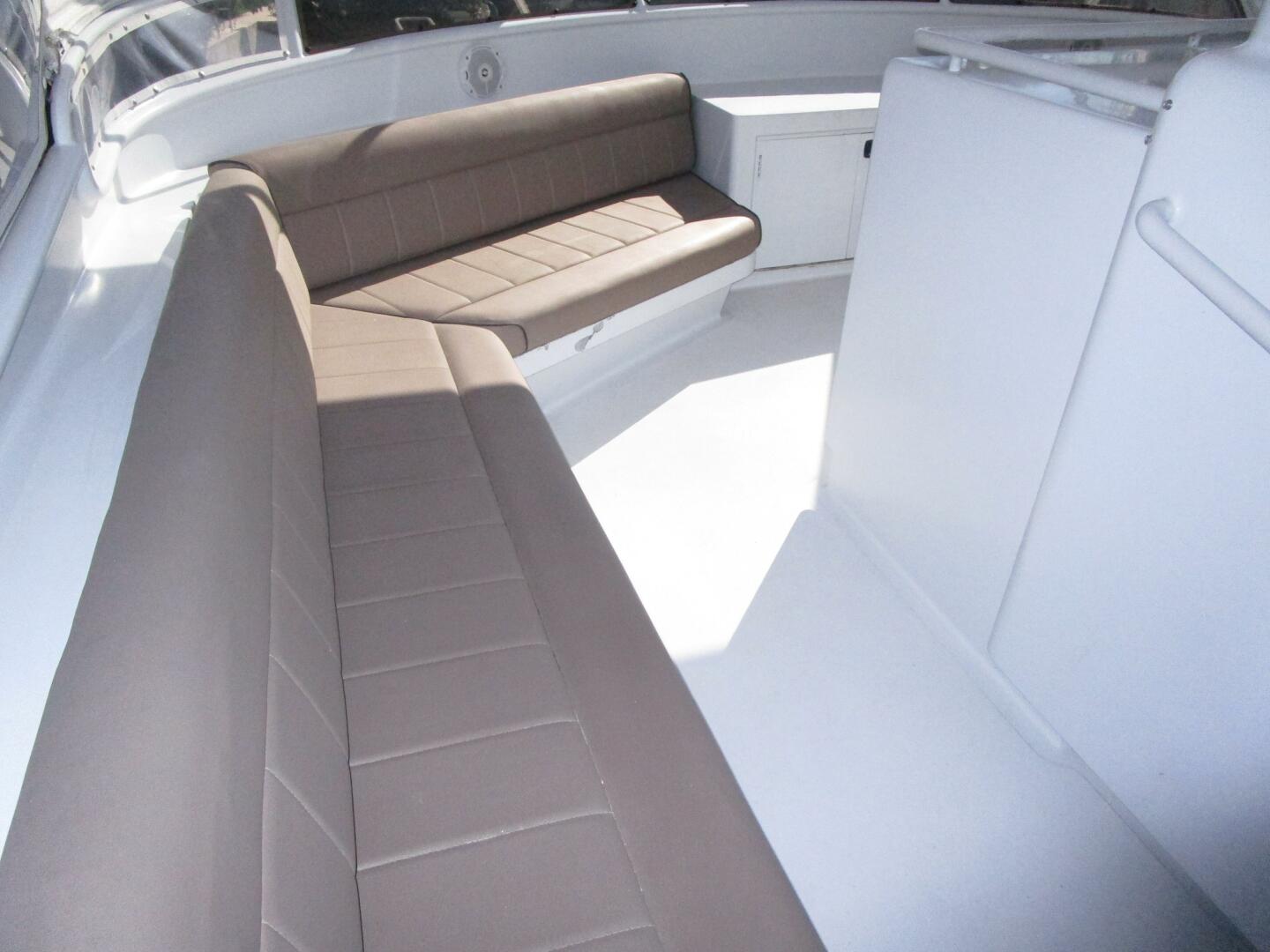
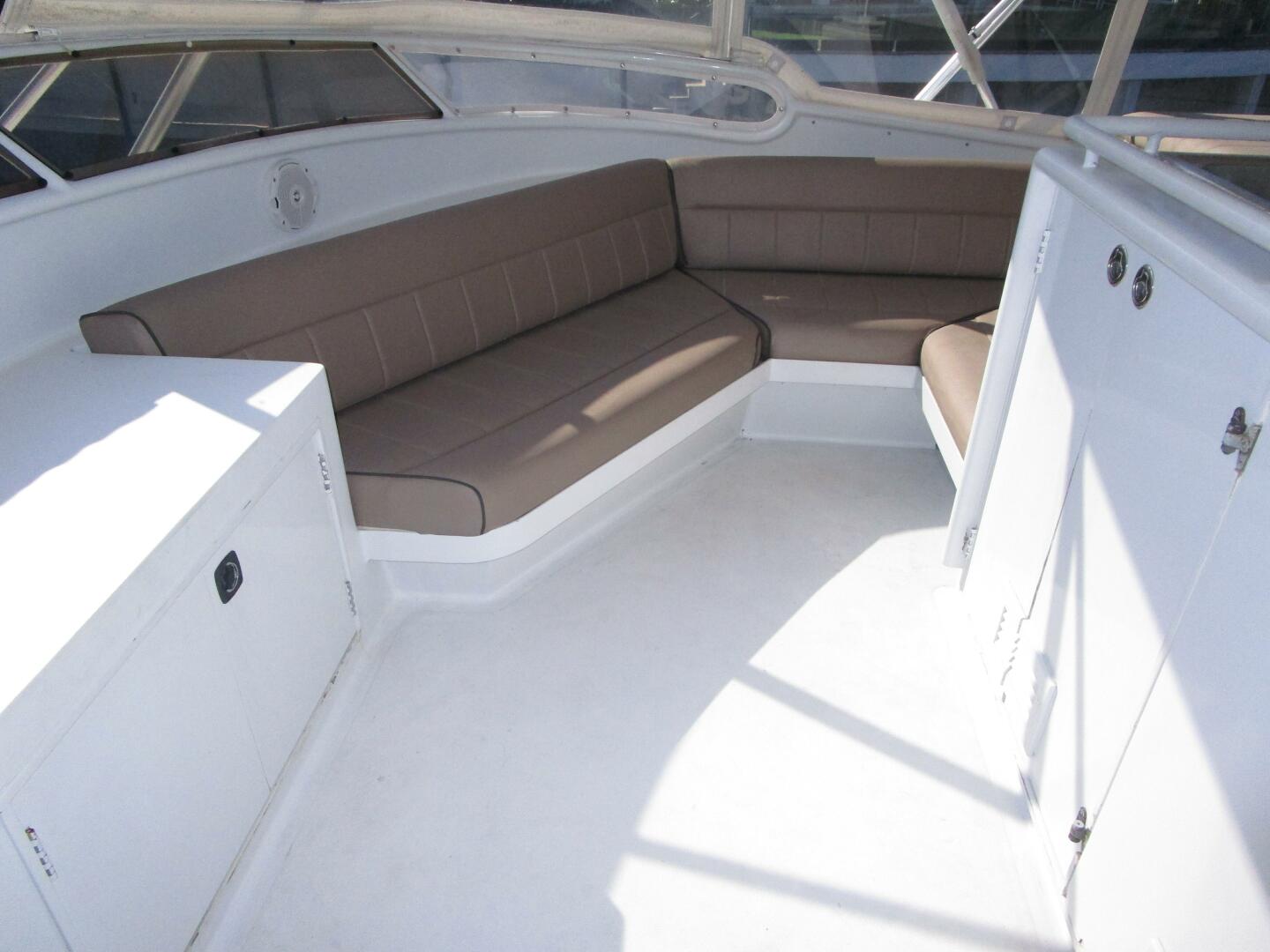
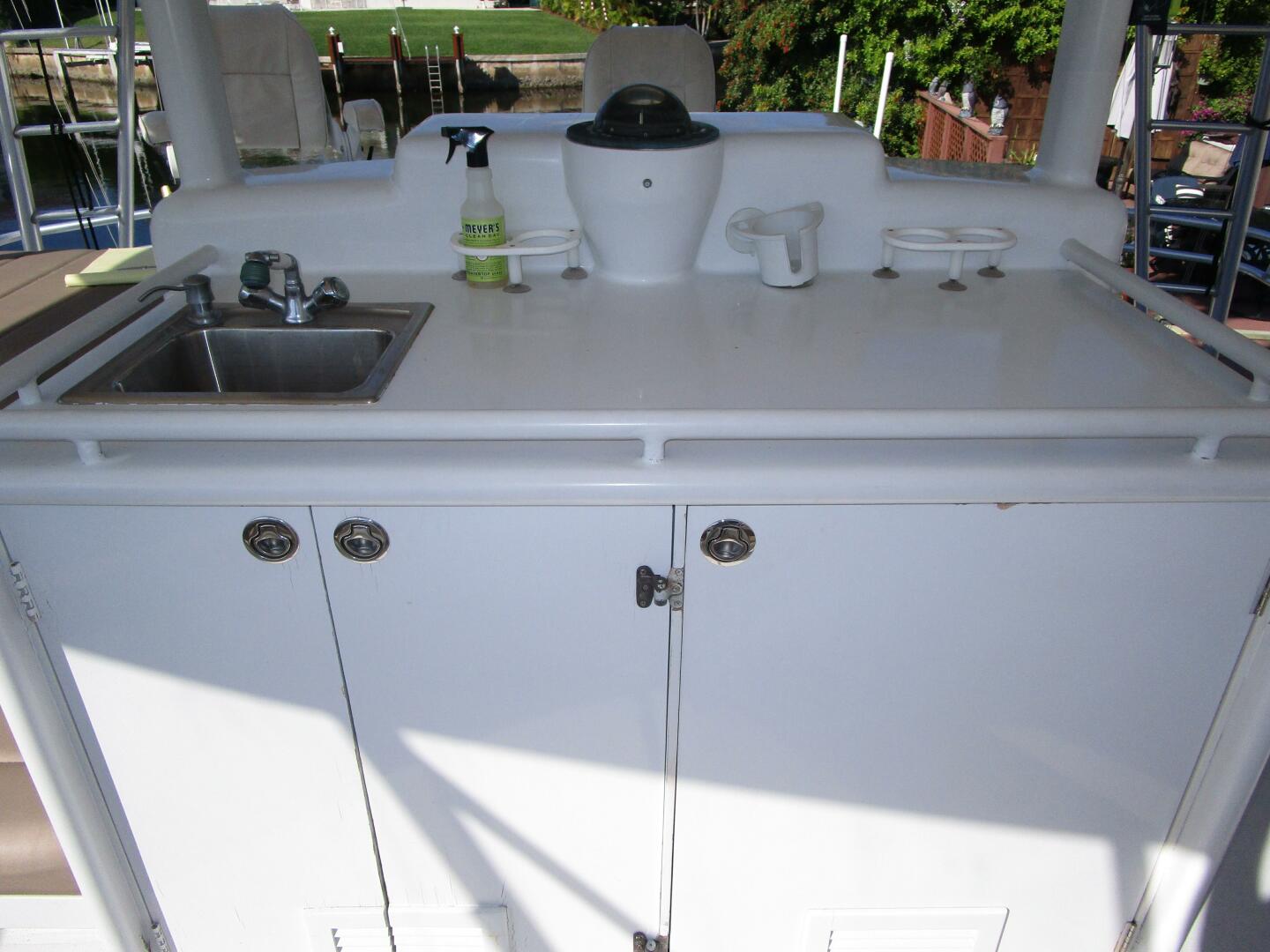
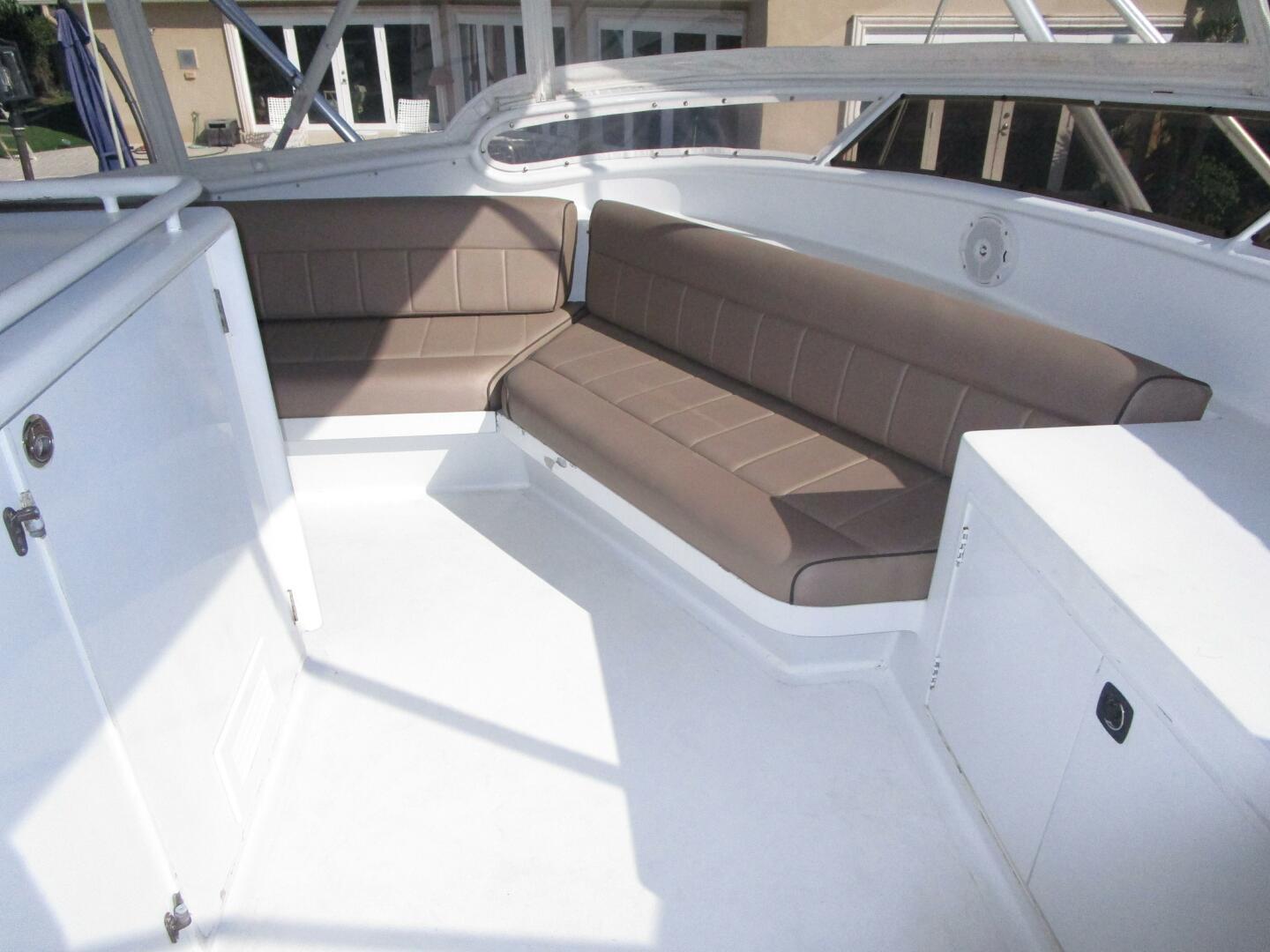
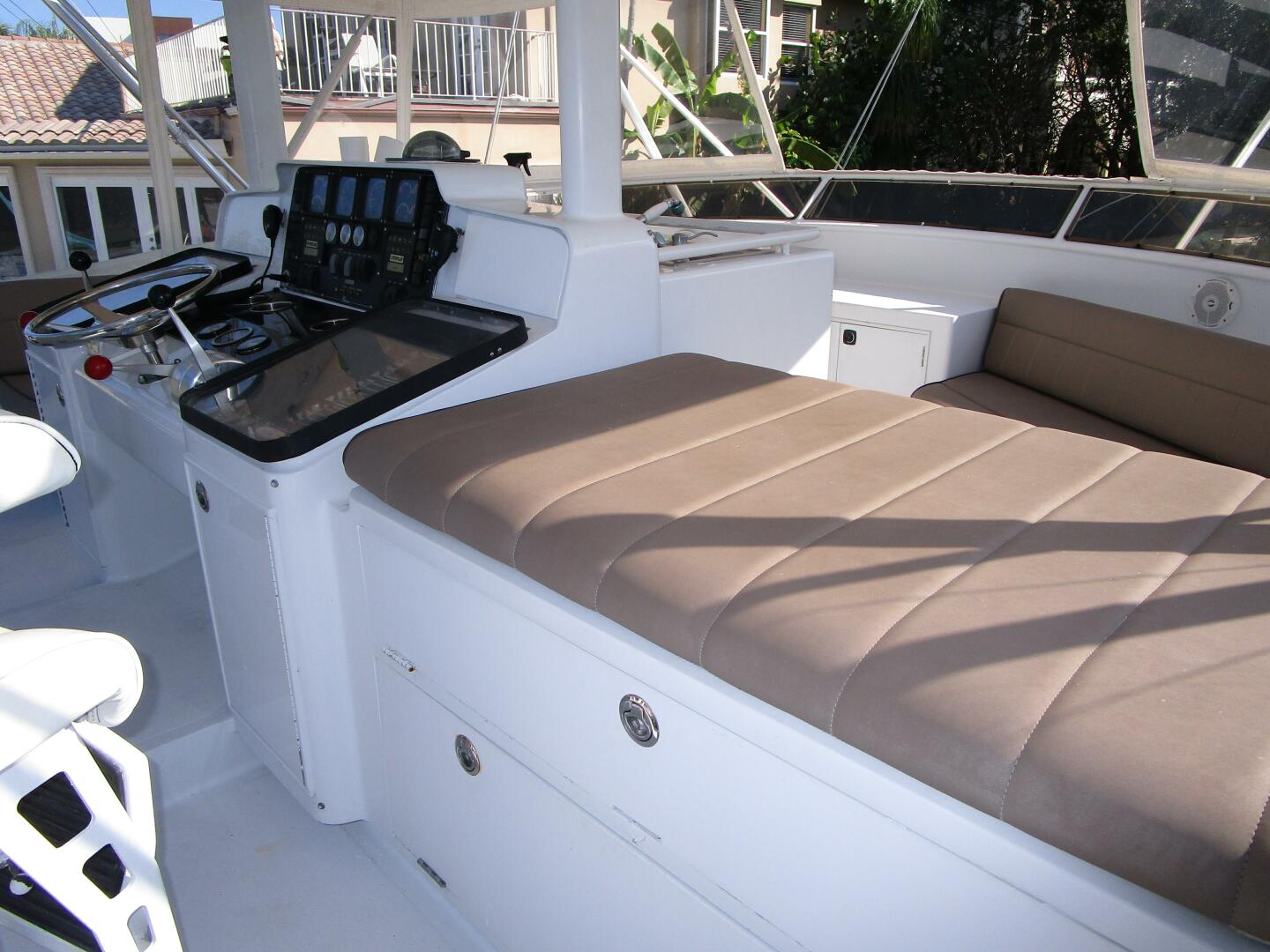
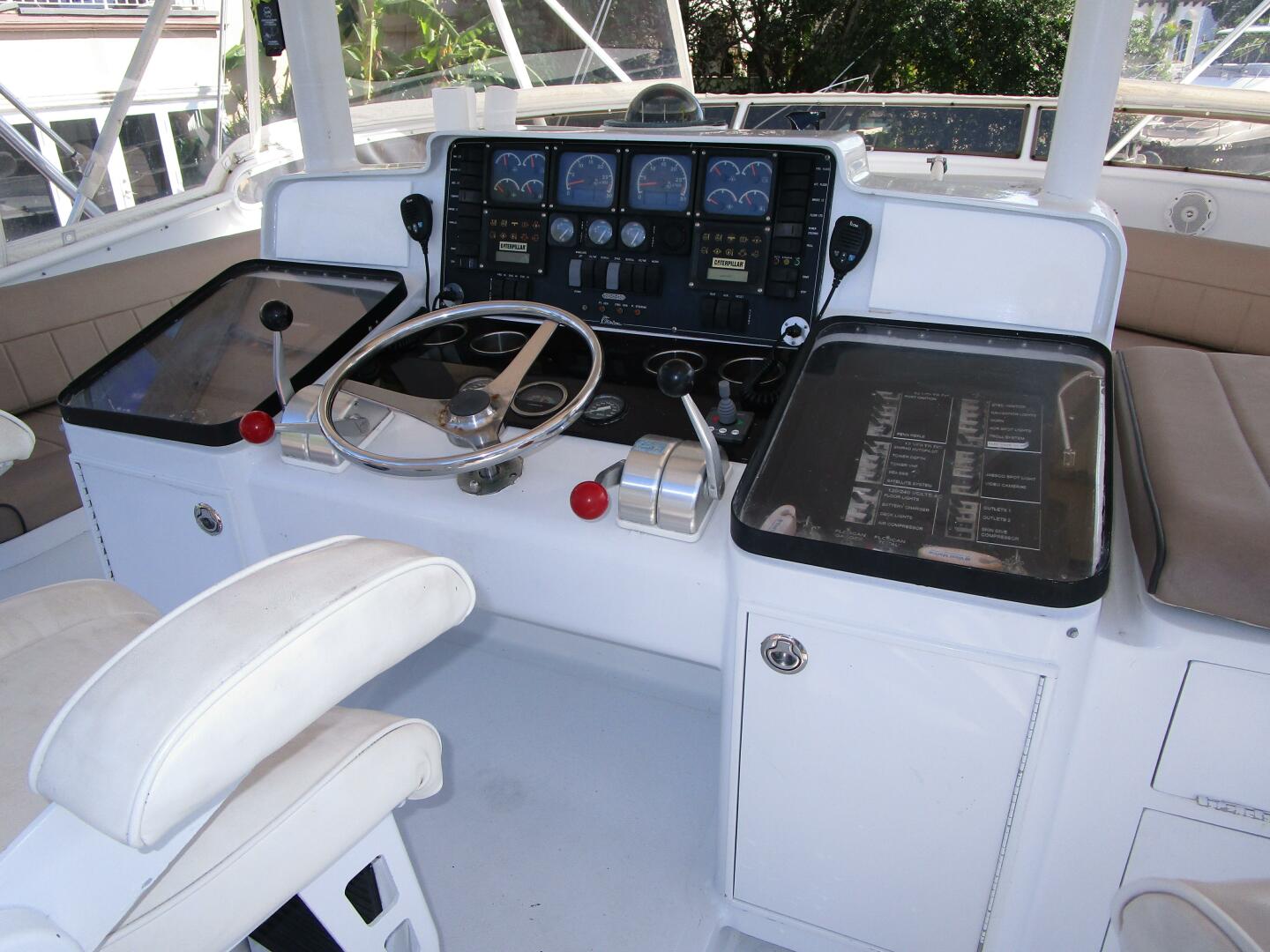
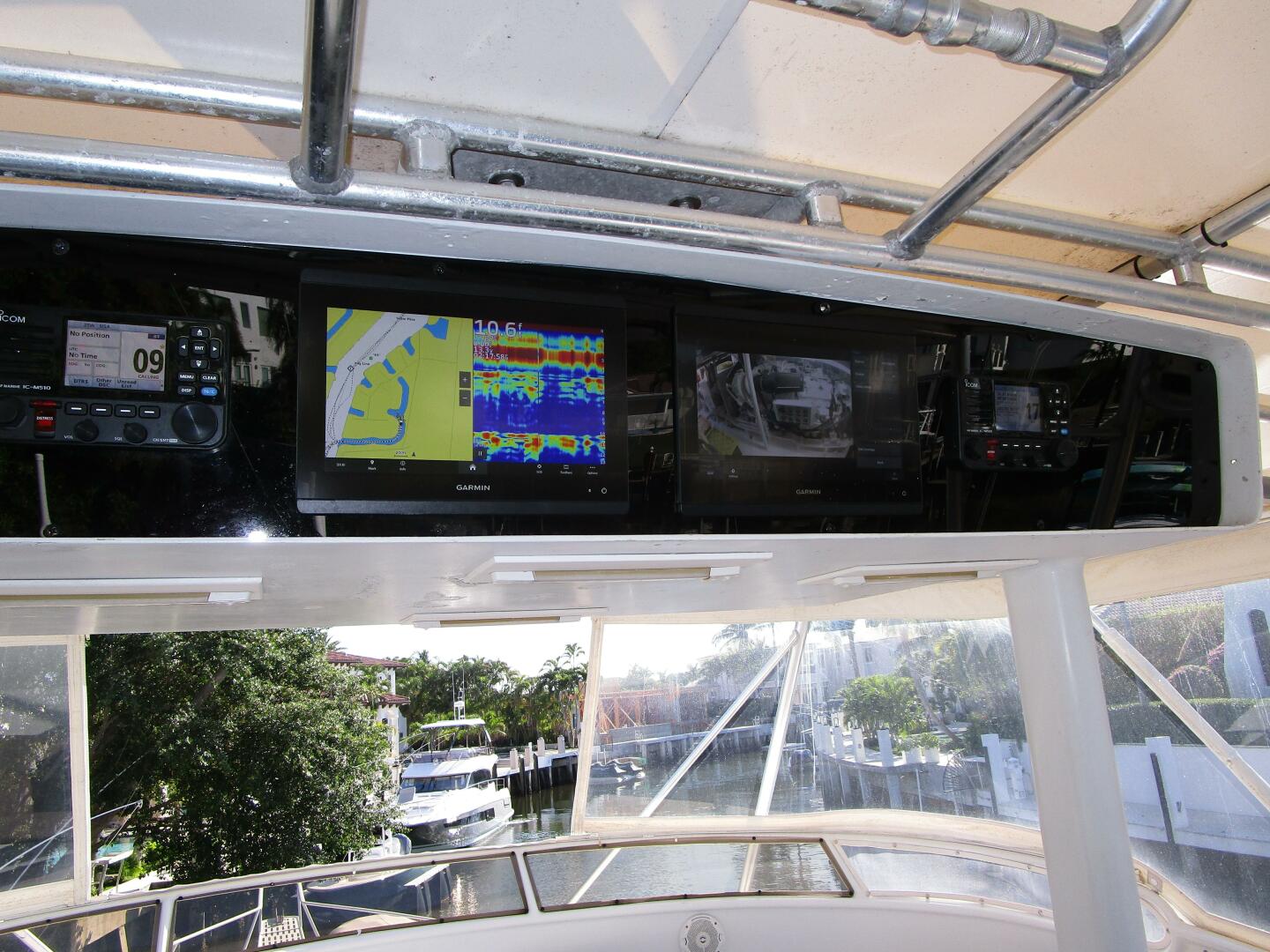
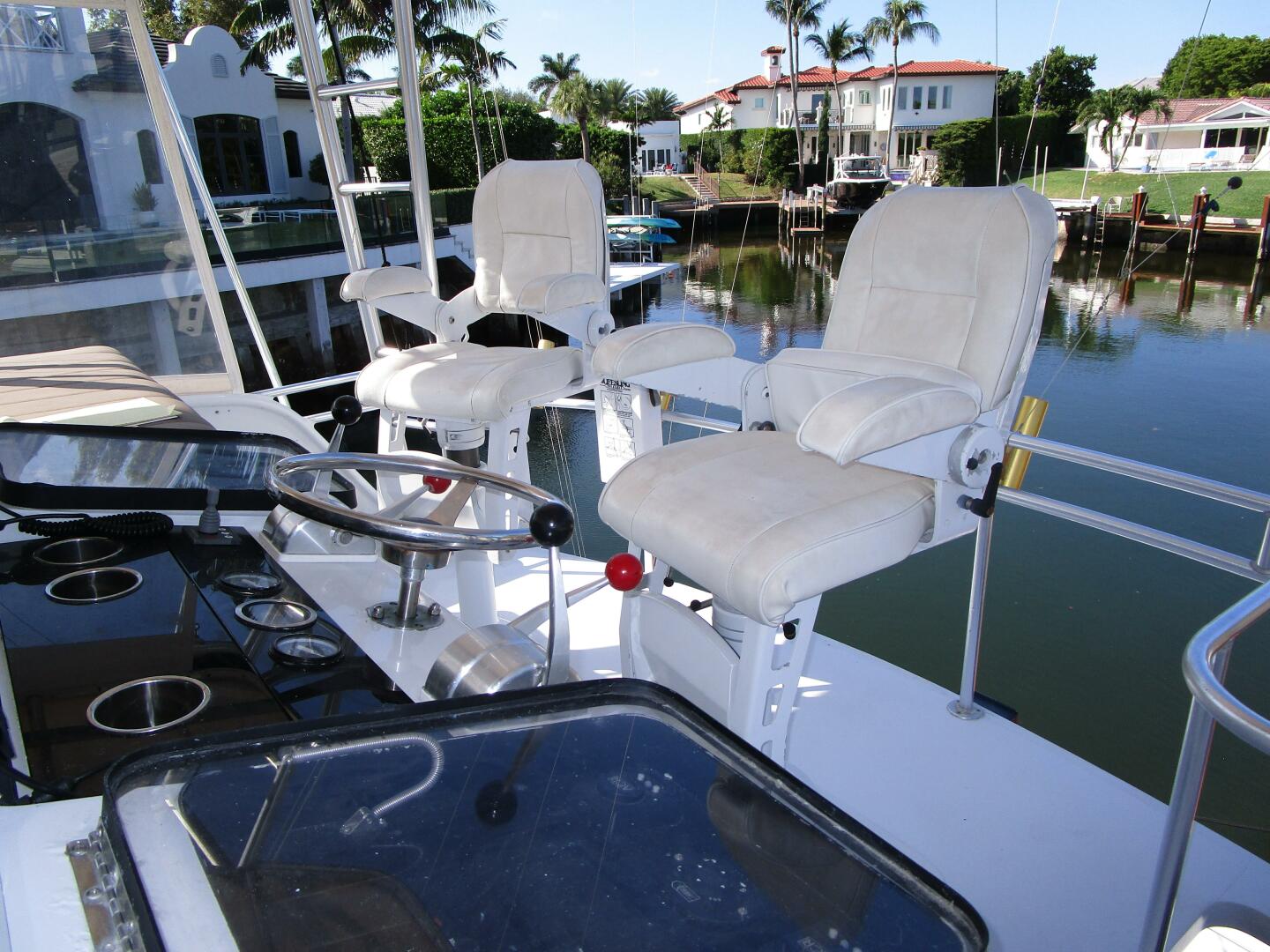
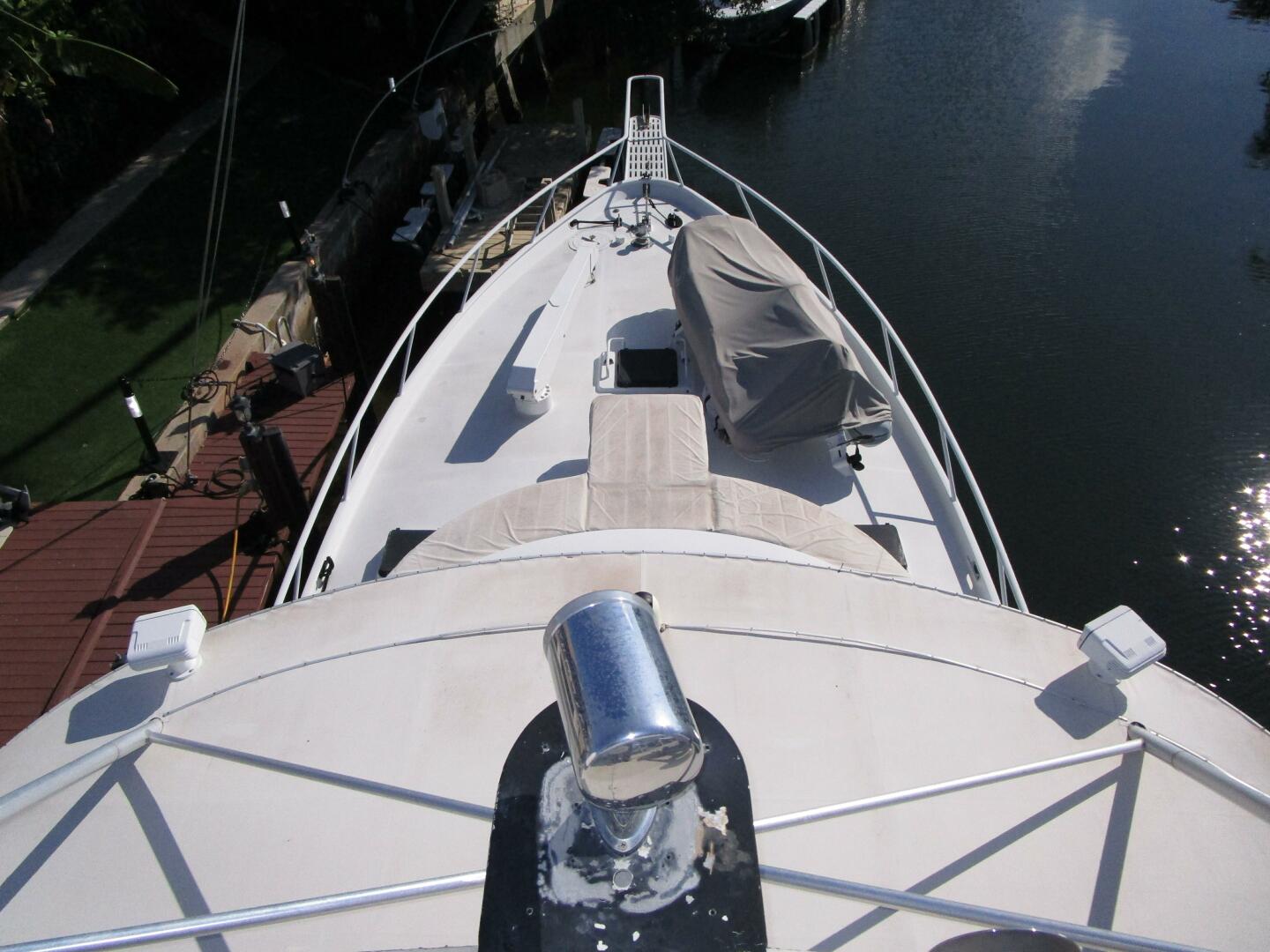
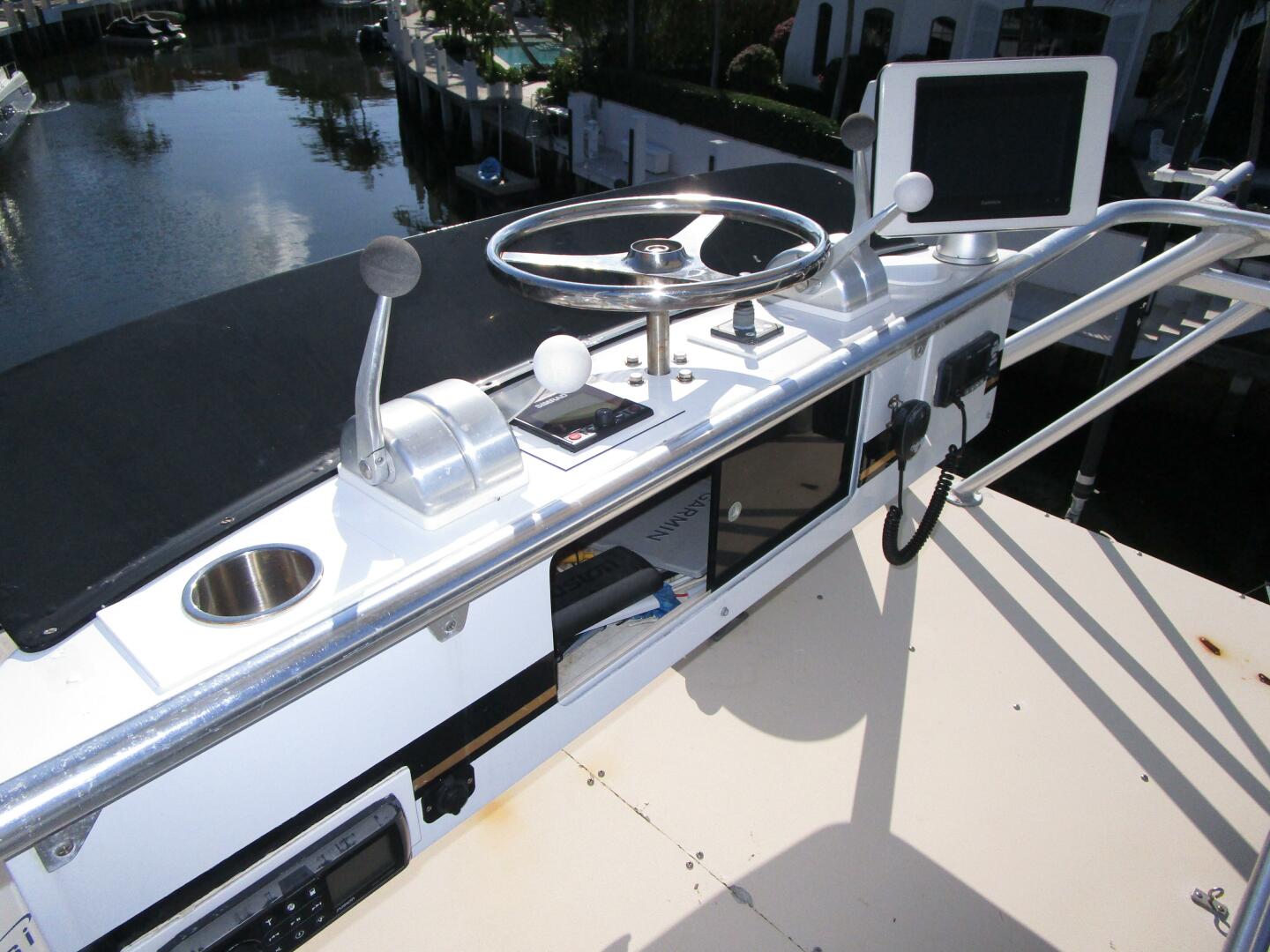
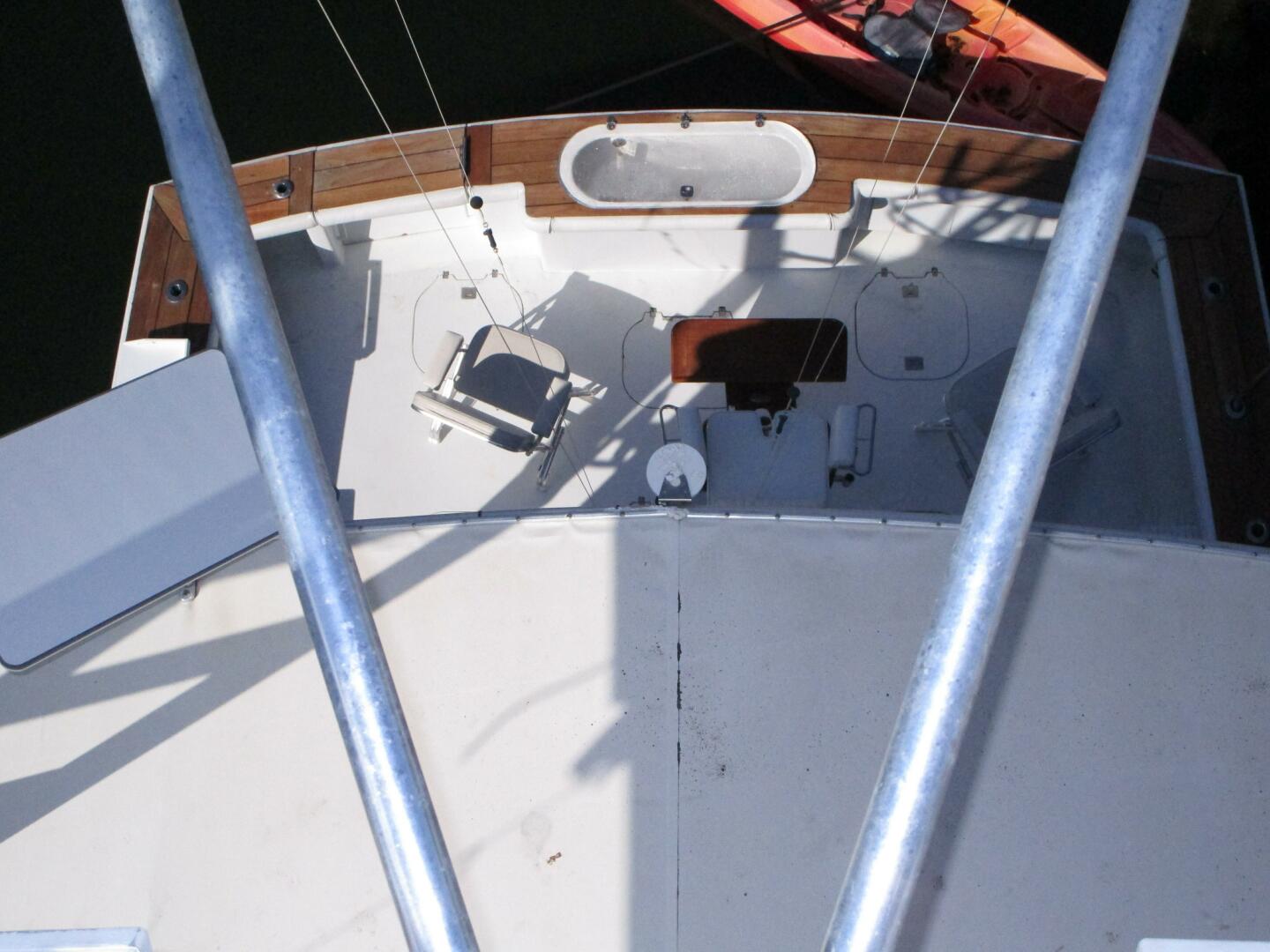
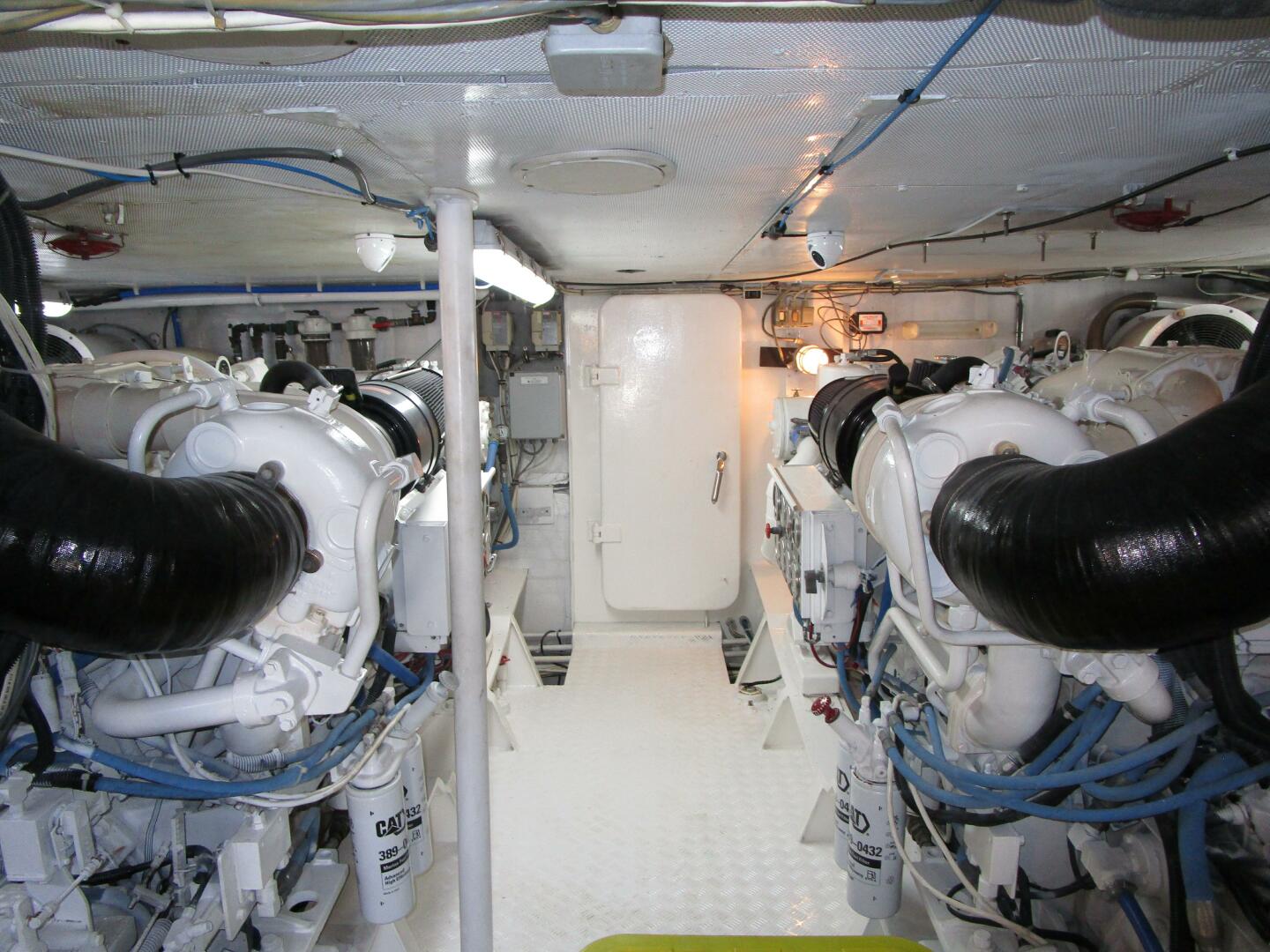
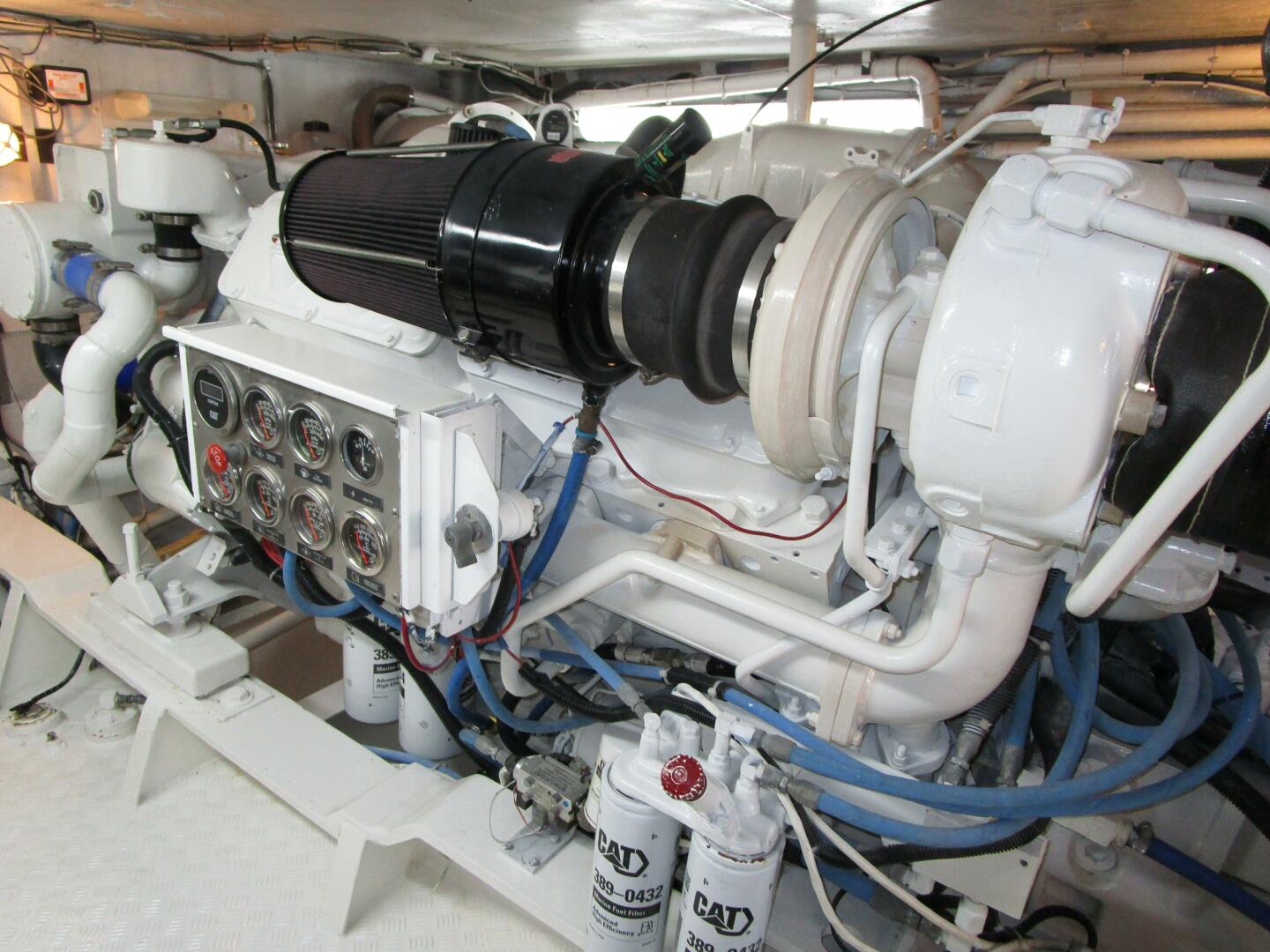
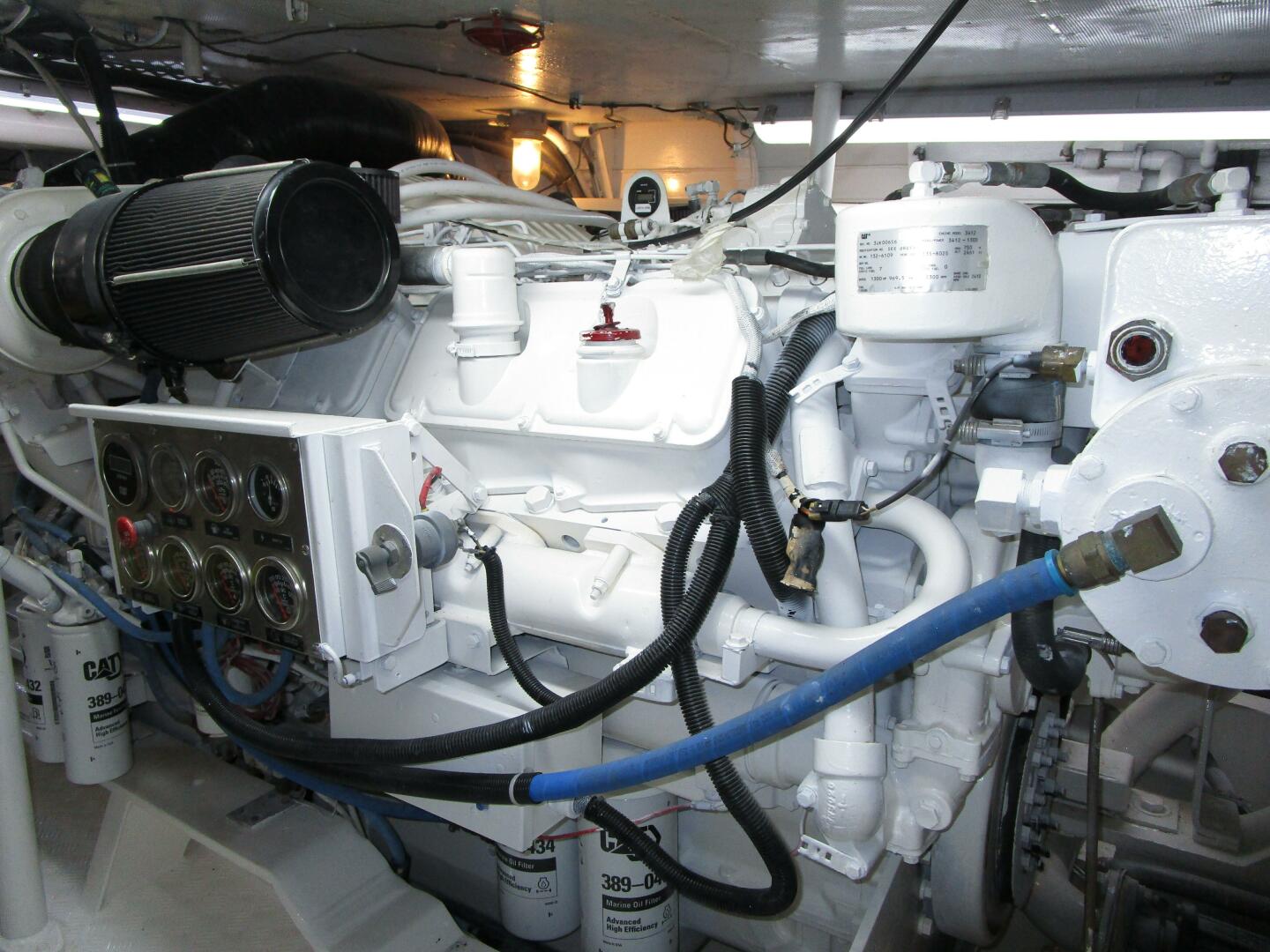
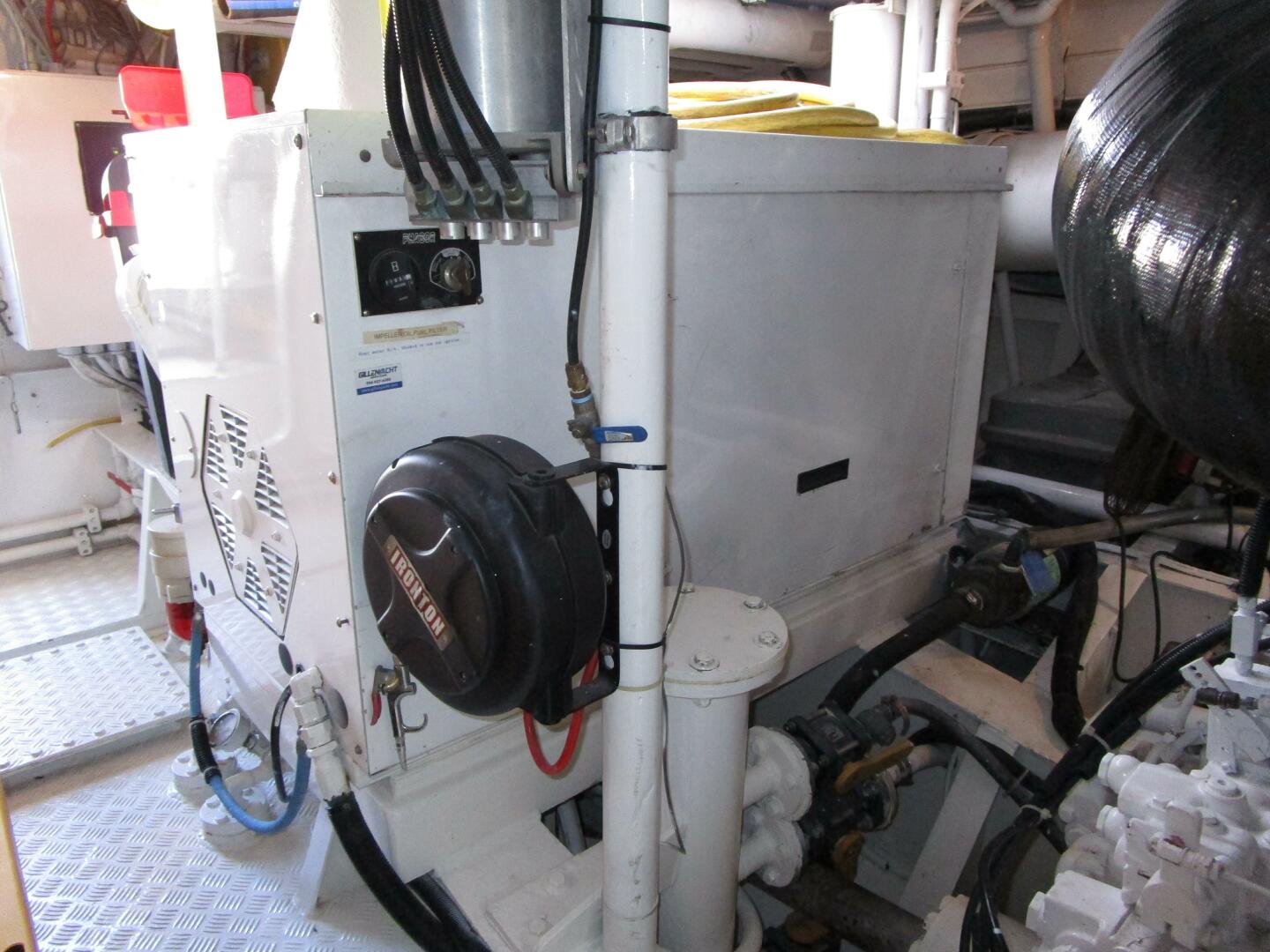
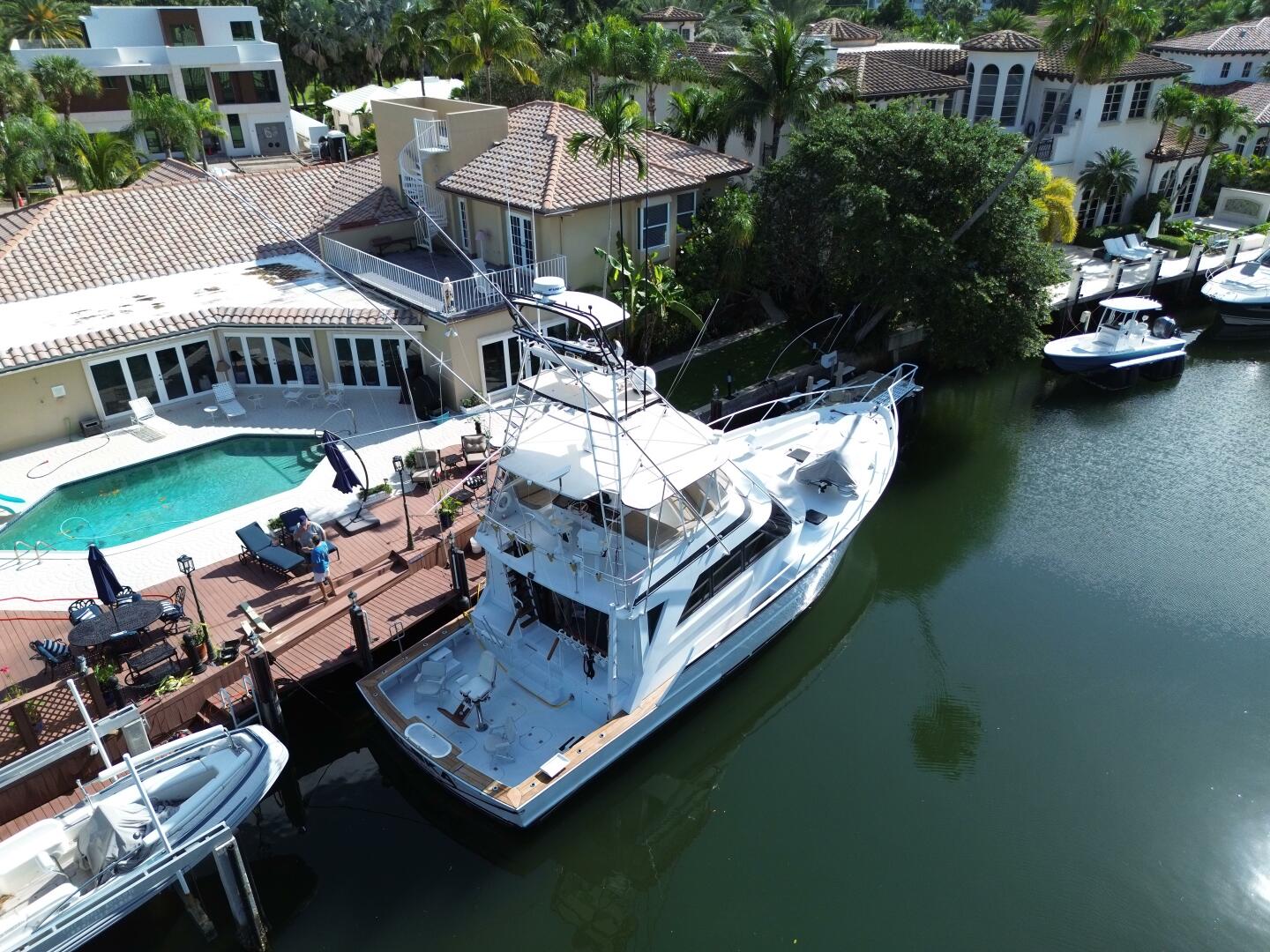
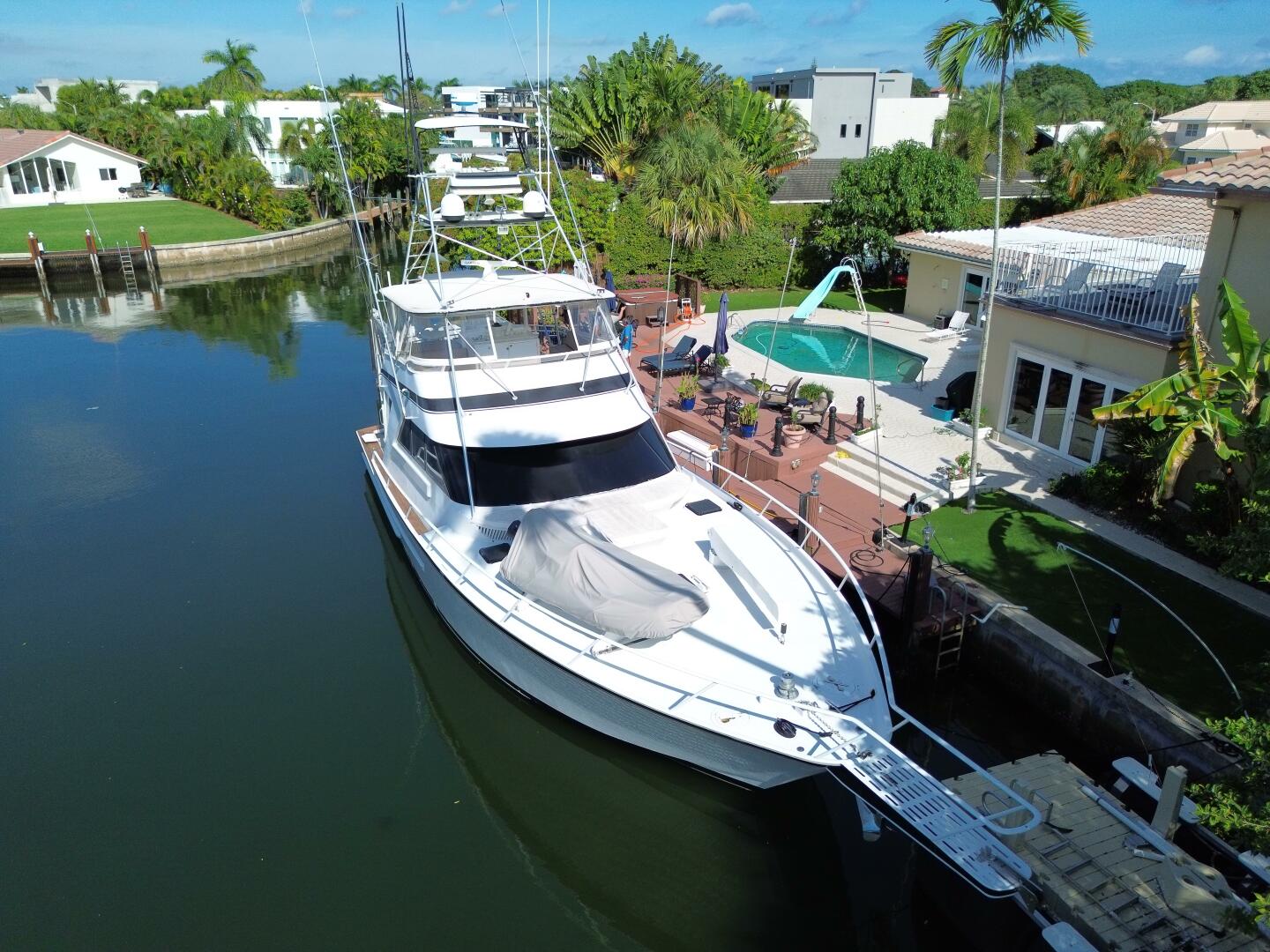
During its lifetime, Striker Yachts launched and sold around 700 aluminum vessels. The 70 foot convertible seen here was among the largest.
However the name came to be, the campaign worked and in its heyday the company was building 44 footers at a rate of about one every six weeks. Dick says that from a price standpoint, his dad’s aluminum boats were on par with the fiberglass boats of the day (circa 1970’s). But by the 1980’s, Strikers started to cost a bit more. Dick adds that to build an aluminum boat of the same quality today would be impractical. Taking into account the expense of materials and labor, he says “[an aluminum] boat under 100 feet is almost cost prohibitive,” and adds that a Striker client recently inquired about the possibility of building a new 70 footer. The original 70’ (mid-1990’s) came in right around $1 million. To build the same boat today, according to Dick, would run somewhere in the neighborhood of $5 million.